
Are Electric Motorcycles Worth It Compared to Gas Bikes? A Comprehensive Cost and Performance Analysis
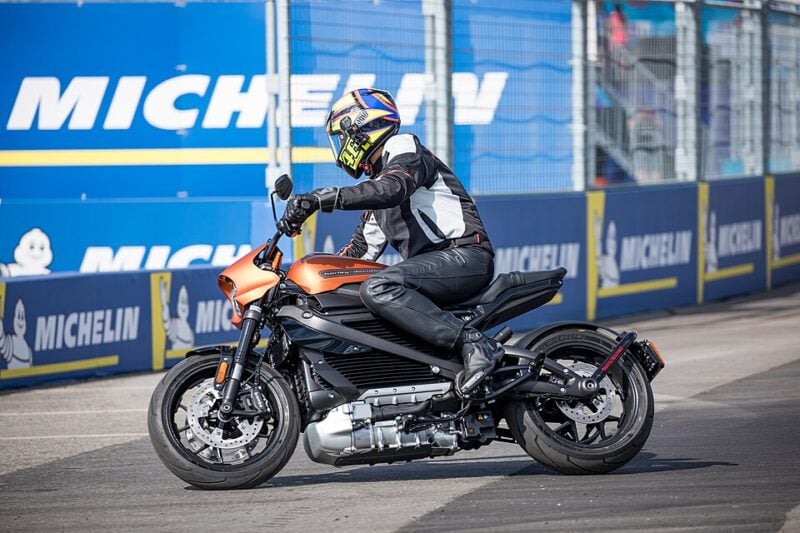
The question of whether electric motorcycles are worth it compared to gas bikes depends on your riding needs, budget, and priorities, but the technology has matured enough in 2026 to make electric options viable for many riders.
Electric motorcycles offer lower operating costs and zero emissions but come with higher upfront prices and longer refueling times, while gas bikes provide familiar performance, extensive range, and established infrastructure at more accessible price points.
Your decision requires understanding more than just the basic differences between powertrains. The real-world implications span from daily convenience and maintenance schedules to long-term resale value and how these vehicles fit into your lifestyle.
This comparison examines the technology, performance characteristics, total ownership costs, and practical considerations that affect your riding experience.
You’ll get clear information about charging versus fueling logistics, environmental impact, market trends, and which type of motorcycle aligns with different riding styles and requirements.
Are electric bikes for you? Let’s find out!
Fundamental Differences in Technology
Electric and gas motorcycles operate on completely different mechanical principles, from how they generate power to how they store and deliver energy to the wheels. These core engineering differences affect everything from daily riding experience to long-term ownership costs.
Powertrain and Engineering
Gas motorcycles use internal combustion engines with hundreds of moving parts including pistons, valves, camshafts, and crankshafts. The engine converts fuel into mechanical energy through controlled explosions, requiring complex systems for fuel injection, ignition timing, and exhaust management. You’ll find transmission systems with multiple gears to optimize power delivery across different speeds.
Electric motorcycles use electric motors with as few as one moving part. The motor converts electrical energy directly into rotational force with instant torque available from zero RPM. Most electric bikes don’t require traditional multi-speed transmissions since electric motors deliver usable power across their entire operating range.
The lack of emissions in electric motorcycles eliminates the need for exhaust systems, catalytic converters, and emissions controls. This simpler mechanical design reduces potential failure points and maintenance requirements.
Energy Storage and Refueling
Your gas motorcycle stores energy in a fuel tank, typically holding 3-6 gallons of gasoline. Refueling takes 3-5 minutes at any gas station, and most gas bikes can travel 150-250 miles per tank depending on riding style and engine size.
Electric motorcycles use lithium-ion battery packs that store electrical energy. Charging times vary from 30 minutes for fast charging to 8-12 hours with standard home outlets. Range tends to drop considerably when riding at highway speeds, with most electric motorcycles offering 60-150 miles per charge under real-world conditions.
Battery capacity is measured in kilowatt-hours (kWh), with most electric motorcycles ranging from 10-20 kWh. Higher capacity means longer range but also increased weight and cost.
Weight and Balance
Gas motorcycles distribute weight between the engine, fuel tank, and other components. The fuel tank sits high in the frame, and weight decreases as you burn fuel during your ride. A typical sport bike engine weighs 100-150 pounds.
Electric motorcycles carry heavy battery packs, often weighing 150-250 pounds. Manufacturers typically mount batteries low in the frame for a lower center of gravity, which can improve handling stability. However, the battery weight remains constant throughout your ride.
The electric motor itself is lighter than a comparable gas engine, usually weighing 30-70 pounds. This weight advantage is offset by the substantial battery mass needed for acceptable range.
Performance and Ride Experience
Electric and gas motorcycles deliver fundamentally different performance characteristics, from how power reaches the wheels to the sensations you experience while riding. The choice between instant electric torque and traditional combustion power affects everything from your daily commute to weekend canyon rides.
Acceleration and Torque Delivery
Electric motorcycles provide instant torque from a standstill, giving you immediate acceleration without any clutch work or gear changes. This means you experience maximum pulling power the moment you twist the throttle, making city riding and quick overtakes effortless.
Gas-powered motorcycles deliver a traditional riding experience with power building through the RPM range. You need to shift through gears to access peak torque, which typically arrives in the mid-range of the power band. This progressive power delivery gives you more control over acceleration intensity but requires more rider input.
The linear power delivery of electric motors eliminates the torque curve variations you find in combustion engines. You get consistent acceleration regardless of motor speed, while gas bikes offer distinct power characteristics at different RPMs that many experienced riders prefer for their predictability and mechanical feedback.
Top Speed and Power Output
Modern electric motorcycles reach respectable top speeds, with premium models achieving 120-150 mph. However, sustained high-speed riding drains batteries rapidly, limiting how long you can maintain those speeds compared to gas bikes.
Gas motorcycles generally offer higher top speeds across similar price points, with sportbikes easily exceeding 160 mph. The broader power bands of combustion engines let you maintain highway speeds efficiently for extended periods without significant range concerns.
Handling Characteristics
Electric motorcycles place heavy battery packs low in the frame, creating a lower center of gravity that enhances stability and cornering confidence. This weight distribution makes the bike feel planted through turns, though the overall weight can make low-speed maneuvering more demanding.
The absence of engine vibration in electric bikes provides a smoother ride that some riders appreciate for comfort. Electric motorcycles provide a quieter ride, which reduces fatigue on longer journeys but eliminates the auditory feedback many riders use to gauge engine performance.
Gas motorcycles offer familiar handling dynamics with engine vibrations and mechanical feedback that communicate what the bike is doing. The lighter overall weight of comparable gas bikes often makes them more nimble in parking lots and tight spaces, while the mechanical sensations provide engagement that electric bikes cannot replicate.
Cost Analysis and Ownership Expenses
Electric motorcycles typically cost more upfront but deliver substantial savings in fuel and maintenance over time, while gas bikes offer lower initial prices with higher ongoing expenses.
Initial Purchase Price
You’ll pay a premium for electric motorcycles compared to equivalent gas models. The price gap typically ranges from $2,000 to $5,000 more for electric bikes with similar performance capabilities.
However, federal tax credits can offset this difference significantly. Many electric motorcycles qualify for incentives that reduce your out-of-pocket costs by 10% to 30% of the purchase price. Some states offer additional rebates that further narrow the price gap.
The higher upfront cost reflects advanced battery technology and electric drivetrain components. Battery packs alone account for 30% to 40% of an electric motorcycle’s total manufacturing cost. As battery production scales up and technology improves, these prices continue to decrease year over year.
Maintenance and Service Needs
Your maintenance costs drop dramatically with electric motorcycles. You’ll eliminate oil changes, air filter replacements, spark plug servicing, and clutch adjustments entirely. Electric motorcycles save 30-50% in maintenance expenses compared to gas models.
Gas motorcycles require routine service every 3,000 to 6,000 miles, including oil changes ($50-$100), filter replacements ($20-$60), and valve adjustments ($200-$400). These costs add up to $300-$600 annually for moderate riders.
Electric bikes only need brake pad replacements, tire changes, and occasional coolant flushes for the motor. You’ll spend 6-8 hours per year less on service appointments when you factor in scheduling and waiting time. The regenerative braking systems also extend brake life significantly beyond traditional motorcycles.
Insurance Costs
Your insurance premiums for electric motorcycles typically run 5% to 15% higher than comparable gas bikes. Insurers charge more due to limited repair networks, expensive battery replacements, and fewer actuarial data points on claim histories.
The higher vehicle value directly impacts your comprehensive and collision coverage rates. Battery replacement costs ranging from $3,000 to $8,000 increase the insurer’s risk exposure if your bike is damaged or totaled.
Some insurance companies now offer discounts for electric vehicles that can offset 10% of your premium. You may also qualify for reduced rates if you ride fewer miles annually, which many electric motorcycle owners do due to range considerations.
Range, Charging, and Fueling Convenience
Electric motorcycles typically offer 100-200 miles per charge, while gas bikes easily exceed 200 miles per tank, and the refueling experience differs dramatically between the two technologies.
Real-World Riding Range
Gas motorcycles deliver consistent range regardless of riding conditions. You can expect 200-300 miles from a typical tank, with some touring models reaching 400 miles or more. Refilling takes just a few minutes at any gas station.
Electric motorcycles currently average between 100-200 miles per charge under normal conditions. Your actual range depends heavily on riding style and speed. Highway riding at 70+ mph can reduce your range by 30-40% compared to city speeds.
The best electric motorcycles can now achieve several hundred miles, but this represents premium models at higher price points. Budget and mid-range electric bikes typically max out around 100-150 miles in real-world conditions.
Range by riding scenario:
- City commuting: 120-180 miles
- Mixed riding: 100-140 miles
- Highway sustained speeds: 70-100 miles
Charging Infrastructure
Charging infrastructure for motorcycles has expanded significantly, though it still lags behind automotive networks. You’ll find Level 2 chargers at many public locations, shopping centers, and parking facilities. DC fast charging stations are less common but growing in urban corridors.
Home charging remains the primary method for most electric motorcycle owners. You can use a standard 110V outlet for overnight charging or install a 240V Level 2 charger for faster replenishment.
Charging infrastructure and technology improvements mark 2026 as a turning point for electric motorcycle viability. Rural areas and long-distance touring routes still present challenges with limited charging availability.
Refueling Time and Accessibility
Gas refueling takes 3-5 minutes at any fuel station. You have access to thousands of locations across every region, making spontaneous long trips straightforward.
Electric charging requires significantly more time. Level 2 charging takes 3-8 hours for a full charge, while DC fast charging can reach 80% in 30-60 minutes. Your charging time depends on your bike’s battery capacity and the charger’s power output.
Refueling a gas bike takes minutes compared to hours for most electric motorcycles. This time difference impacts how you plan trips and use your motorcycle for spontaneous riding.
Home charging overnight solves the convenience issue for daily commuting. You start each day with a full charge without visiting any station.
Environmental Considerations
Electric motorcycles produce zero direct emissions during operation, while battery manufacturing and electricity sources present different environmental trade-offs than the extraction and combustion of fossil fuels.
Carbon Emissions and Air Quality
Electric motorcycles generate no tailpipe emissions, which directly improves air quality in urban areas where you ride. Gas-powered bikes emit carbon dioxide, nitrogen oxides, and particulate matter that contribute to smog and respiratory health issues.
Lifecycle assessments show electric motorcycles have lower overall environmental impact regarding greenhouse gas emissions, even when accounting for current electricity grid mixes. The carbon footprint of your electric motorcycle depends heavily on your local power sources. If you charge using renewable energy, your emissions drop significantly compared to grid electricity from coal or natural gas plants.
Electric motorcycles achieve better energy efficiency than both gas motorcycles and electric cars when measured by MPGe ratings. Your riding location matters, as some cities now offer incentives like reduced parking fees for electric vehicles to encourage adoption.
Battery Production Impact
Lithium-ion battery manufacturing requires mining rare earth metals, which creates environmental concerns through habitat disruption and energy-intensive extraction processes. The production phase generates more emissions than building a comparable gas motorcycle engine.
Battery manufacturing facilities consume substantial water and energy resources. Cobalt and lithium mining operations can affect local ecosystems and communities near extraction sites. However, battery technology continues improving with research into less environmentally damaging materials and more efficient production methods.
Your battery’s environmental cost gets distributed across its usable life, typically 5-10 years depending on usage patterns and care.
End-of-Life Recycling Options
Electric motorcycle batteries retain 70-80% capacity when retired from vehicle use, making them valuable for secondary applications like home energy storage systems. This extends their useful life before recycling becomes necessary.
Current recycling processes recover approximately 95% of lithium, cobalt, and nickel from spent batteries. Specialized facilities can extract these materials for new battery production, reducing the need for virgin mining operations. Gas motorcycles leave behind engine oil, transmission fluids, and metal components that also require proper disposal or recycling.
Your local regulations may mandate battery recycling programs, though infrastructure availability varies by region. Many manufacturers now establish take-back programs to ensure proper battery handling at end-of-life.
Sound, Vibration, and Sensory Experience
The riding experience differs dramatically between electric and gas motorcycles in terms of acoustic signature and physical feedback. Gas bikes deliver traditional engine sounds and vibrations, while electric models offer near-silent operation with minimal physical feedback.
Noise Levels in Operation
Gas-powered motorcycles produce distinctive engine noise that ranges from 80 to 110 decibels depending on the engine size and exhaust system. This audible presence alerts other drivers to your presence on the road, which many riders consider a safety advantage. The roaring sound and visceral experience that enthusiasts cherish has become part of motorcycle culture.
Electric motorcycles operate at significantly lower noise levels, typically between 60 and 70 decibels. You’ll hear mostly wind noise and tire contact with the road surface. This quieter and more serene riding experience appeals to riders who prefer less auditory intrusion.
The reduced noise can present challenges in traffic situations where pedestrians and other vehicles may not hear your approach. Some manufacturers add artificial sound generators to improve safety awareness.
Vibration and Engine Feel
Traditional motorcycles transmit engine vibrations through the handlebars, footpegs, and seat. These vibrations vary with engine configuration, creating tactile feedback that connects you to the machine’s operation. You feel gear changes, engine revs, and power delivery through physical sensations.
Electric motorcycles eliminate most engine vibration since they use electric motors with fewer moving parts. The smooth, futuristic ride provides comfort on long journeys but lacks the mechanical feedback many riders expect. You won’t experience the characteristic rumble that accompanies throttle response on gas bikes.
Some riders appreciate the reduced fatigue from minimal vibration, while others miss the visceral experience of a gas engine. Your preference depends on whether you value traditional motorcycle sensations or prefer refined, vibration-free operation.
Adoption, Resale Value, and Market Trends
The electric motorcycle market is expanding rapidly, with projected growth to $302.51 billion by 2034, yet resale values and model availability remain key considerations for potential buyers.
Resale and Depreciation
Electric motorcycles face unique resale challenges compared to traditional gas bikes. Models like the Harley-Davidson LiveWire and Zero SR/F use compact, air-cooled battery packs that are less expensive to replace than car batteries but still represent a significant factor in overall vehicle value.
Battery degradation directly impacts resale value. Most electric motorcycle batteries retain 70-80% capacity after 5-7 years, which buyers factor into their offers.
The used electric motorcycle market remains relatively small, making it harder to establish stable pricing. You’ll find fewer comparable sales data points than with established gas models. This uncertainty can work against you when selling, as potential buyers may be cautious about long-term battery costs and replacement availability.
Availability of Electric Models
Your electric motorcycle options have expanded significantly but still lag behind gas bikes. Major manufacturers now offer dedicated electric models, from commuter-focused bikes to performance-oriented machines.
Li-ion battery type electric motorcycles are showing the fastest growth because of their low weight. This technology has enabled manufacturers to develop bikes with acceptable range and performance characteristics.
However, you won’t find the same breadth of choices across different riding styles. Adventure touring, dual-sport, and cruiser categories have limited electric options compared to standard and sport bikes. Dealer networks for electric models are also less extensive, which can affect service accessibility in your area.
Consumer Acceptance and Popularity
The electric motorcycle market is experiencing significant growth, fueled by increasing demand for sustainable transportation solutions. Decreasing battery prices, stricter emissions controls, and growing environmental awareness are driving adoption rates higher.
You’ll notice that acceptance varies by region and use case. Urban riders tend to embrace electric motorcycles more readily due to shorter commutes and better charging infrastructure. Performance enthusiasts remain skeptical about range limitations and charging times for long-distance riding.
The market shows a 12.1% CAGR between 2025 and 2034, supported by government policies and infrastructure investment. Your decision to buy electric now means entering a growing but still maturing market where technology and infrastructure continue to evolve rapidly.
Suitability for Different Types of Riders
Electric motorcycles excel in urban environments with their instant torque and zero emissions, while gas bikes remain the preferred choice for long-distance touring due to their extended range and widespread refueling infrastructure.
Commuters and City Riders
You’ll find electric motorcycles particularly well-suited for daily commuting and urban riding. The instant torque delivery provides quick acceleration from stoplights, making it easy to navigate through city traffic efficiently.
Your operating costs drop significantly with electric bikes since electricity is cheaper than gasoline, and maintenance requirements are minimal without oil changes or complex engine components. Electric motorcycles produce zero emissions, making them an environmentally friendly choice for city riding.
Charging at home overnight means you start each day with a full battery, eliminating trips to gas stations. Most electric models offer sufficient range for typical daily commutes of 30-50 miles. The quiet operation reduces noise pollution in residential areas and creates a more pleasant riding experience in congested urban settings.
Key advantages for commuters:
- Lower fuel and maintenance costs
- Convenient home charging
- Quiet operation in neighborhoods
- Quick acceleration in stop-and-go traffic
Touring and Long-Distance Travel
Gas-powered motorcycles remain the practical choice for touring and long-distance riding. You can travel several hundred miles on a single tank, and refueling takes just a few minutes at any gas station along your route.
Electric motorcycle range drops considerably at highway speeds, which limits your options on multi-day tours. While some premium electric models now achieve ranges of 200+ miles, charging infrastructure accessibility remains a significant challenge for riders planning extended trips.
Fast charging still requires 30-60 minutes compared to the 5-minute gas station stop, affecting your travel schedule and route planning. You’ll need to carefully plan charging stops and may face limited options in rural areas or remote touring destinations.
Gas bikes offer the flexibility to refuel anywhere and carry extra fuel if needed. The established infrastructure and predictable range make them the reliable choice for riders who prioritize long-distance capabilities and spontaneous route changes.
Enthusiast and Performance Segment
Your choice between electric and gas depends on what aspects of performance matter most to you. Electric motorcycles deliver impressive acceleration with instant torque available from zero RPM, often outperforming gas bikes in straight-line acceleration.
However, you’ll miss the visceral experience that many enthusiasts value: engine sound, vibration, and the connection between throttle and mechanical response. Gas motorcycles provide the traditional riding sensations that define motorcycling for many performance-oriented riders.
Electric bikes require less rider skill for smooth power delivery since there’s no clutch or gear shifting to master. This simplifies the riding experience but removes elements that enthusiasts often enjoy perfecting.
Performance considerations:
- Electric: Instant torque, smooth power, minimal maintenance
- Gas: Engine character, mechanical engagement, longer range
Track day riders may appreciate electric bikes for their consistent power delivery and lower operating costs, while canyon carvers often prefer the auditory feedback and engine braking characteristics of gas-powered machines.
Government Incentives and Policy Impact
Financial benefits and regulatory advantages vary significantly by location, with federal programs currently excluding motorcycles while some states and utilities offer rebates up to $4,500. Urban policies increasingly favor electric vehicles through preferential parking and access to restricted zones.
Tax Credits and Financial Incentives
Federal tax incentives for electric motorcycles were cancelled in 2023, leaving you without the national rebates available for electric cars. You’ll need to look at state and local programs instead.
California offers the most substantial support through its Clean Vehicle Rebate Project with rebates up to $4,500. Your actual savings depend on where you live, as incentive policies significantly impact consumer willingness to switch to electric motorcycles.
Some utility companies provide additional rebates separate from government programs. You should check with your local electric provider for potential credits.
The inconsistency of these programs makes planning difficult. Incentives for electric motorcycles have been inconsistent at both state and federal levels over recent years.
Urban Access and Emission Regulations
CARB states are considering electric motorcycle mandates that would require manufacturers to meet production targets or purchase credits. This will likely expand your options for electric models.
You may gain access to carpool lanes, reduced parking fees, and exemptions from congestion charges in certain cities. These perks provide daily value beyond purchase incentives.
Some urban areas restrict gas-powered vehicles in downtown zones during high-pollution days. Your electric motorcycle would remain unaffected by these temporary bans.
Emission regulations continue tightening, which could lead to additional restrictions on gas bikes in metropolitan areas. Electric motorcycles position you ahead of these regulatory changes.
Future Outlook and Technological Advancements
Electric motorcycles are rapidly evolving from niche products into mainstream alternatives. Battery technology improvements are extending range capabilities, with some models now achieving several hundred miles per charge. However, you should know that these ranges can decrease significantly at highway speeds.
Charging infrastructure continues to expand, making electric bikes more practical for daily use. Fast-charging technology is reducing wait times, though you’ll still need more time than a traditional gas fill-up.
Key areas of advancement include:
- Battery density – Higher energy storage in smaller, lighter packages
- Charging speed – Reduced charging times through improved technology
- Motor efficiency – Better power delivery and thermal management
- Cost reduction – Decreasing prices as production scales increase
When accounting for electricity generation, electric motorcycles produce 50-70% fewer emissions than comparable gas bikes over their lifetime. This environmental advantage grows as electrical grids become cleaner.
The performance gap between electric and gas motorcycles continues to narrow. You can expect more powerful motors, longer ranges, and competitive pricing in coming years. Advances in battery technology, design, and engineering are making electric options increasingly viable for various riding styles.
Manufacturers are investing heavily in electric platforms, suggesting a sustained commitment to this technology. Your choice between electric and gas will depend on your specific needs, but the electric option becomes more compelling with each model year.
Summary and Final Considerations
Your decision between electric and gas motorcycles depends on your specific riding needs and priorities. Neither option is universally superior, as each excels in different areas.
Electric motorcycles make sense if you primarily ride short daily commutes, have access to home charging, and want minimal maintenance. The higher upfront costs can be offset by lower operating expenses over time.
Gas motorcycles remain the practical choice for long-distance touring, rural areas with limited charging infrastructure, and riders who need quick refueling capability. You’ll face higher fuel and maintenance costs but gain proven reliability and extensive service networks.
Key factors to evaluate before buying:
- Daily range requirements – Most electric bikes suit urban commutes under 100 miles
- Charging access – Home charging is nearly essential for electric ownership
- Budget constraints – Electric bikes cost more upfront but less to operate
- Riding style – Performance differs significantly between acceleration and sustained highway speeds
- Environmental priorities – Electric motorcycles produce zero direct emissions during operation
Your local climate also matters, as battery performance decreases in extreme temperatures. Consider whether you ride year-round in varying conditions.
Test ride both types if possible. The instant torque of electric motors feels dramatically different from traditional engines. Some riders prefer the visceral experience of gas bikes, while others appreciate the smooth, quiet power delivery of electric models.


