
Which Luxury SUVs Depreciate the Least Over Time? Data-Driven Analysis of Resale Value Leaders
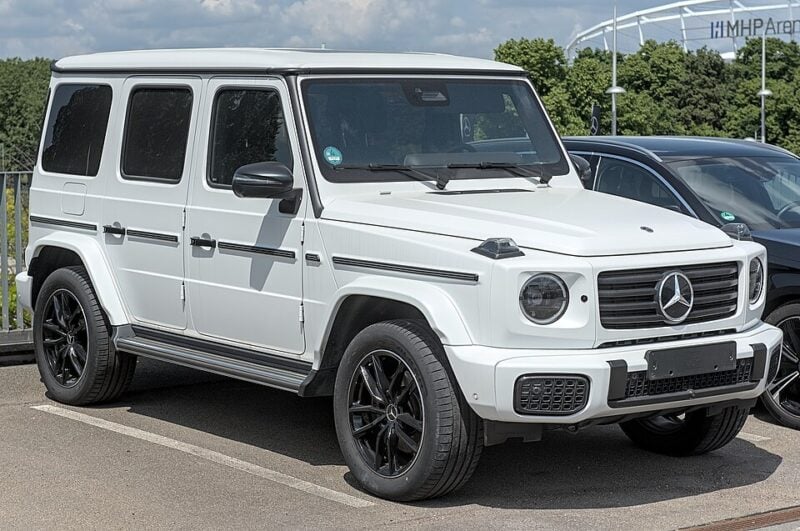
Luxury SUVs are known for losing value quickly, but some models buck this trend. The Mercedes G-Class retains roughly 60-65% of its value after five years, making it one of the least depreciating SUVs in the luxury segment, while models that hold 60% or more of their original value stand out as exceptional choices.
Most luxury SUVs lose 10-15% of their value immediately after the first ownership change. Your vehicle choice impacts your finances for years to come.
Understanding which luxury SUVs hold their value helps you make smarter buying decisions and potentially save thousands when it’s time to sell or trade. Depreciation rates vary significantly across different brands and models.
This guide examines the specific factors that determine why certain luxury SUVs retain value better than others. You’ll learn which brands perform best, how different powertrains affect resale value, and what features to prioritize.
We’ll also cover timing strategies and regional factors that influence depreciation rates.
Do you own any of these? Let’s find out!
Key Factors Influencing Luxury SUV Depreciation
Several elements determine how well a luxury SUV maintains its value, from the manufacturer’s standing in the market to how many buyers want a particular model. The relationship between new and used vehicle pricing also creates depreciation patterns that vary significantly across different luxury brands.
Brand Reputation and Perceived Value
Your luxury SUV’s brand directly impacts its long-term value retention. Mercedes-Benz, Lexus, and Porsche consistently maintain higher resale values because buyers trust their reliability and engineering quality.
Brands with strong heritage and proven track records command premium prices in the used market. The perception of quality matters as much as actual reliability data when buyers evaluate pre-owned luxury vehicles.
Warranty coverage and manufacturer support programs influence how confidently buyers approach used models. Brands that offer transferable warranties or certified pre-owned programs with extended coverage help their vehicles resist depreciation.
Your vehicle’s perceived prestige within its segment affects residual values. Ultra-luxury marques like Range Rover and Mercedes G-Class benefit from exclusivity that budget-oriented luxury brands cannot match.
Model Popularity and Demand
High demand for specific models translates directly into better value retention. Popular luxury SUVs like the Lexus RX and Porsche Cayenne maintain stronger resale values because more buyers actively seek them in the used market.
Limited production runs or special editions create scarcity that supports pricing. When fewer examples exist, your vehicle faces less competition from similar listings.
Model refreshes and redesigns impact existing inventory values. If your luxury SUV receives minor updates, earlier versions hold value better than models that become visually outdated after a major redesign.
Fuel efficiency and running costs matter increasingly to used buyers. Luxury SUVs typically lose 10-15% of their value when ownership first changes hands, but efficient models experience less severe depreciation.
New Versus Used Market Dynamics
The price gap between new and used luxury SUVs determines depreciation rates. When manufacturers offer aggressive incentives on new models, your used vehicle must compete at lower price points.
First-year depreciation hits hardest because depreciation curves follow different patterns depending on warranty expiration and market conditions. Some luxury SUVs lose value steadily while others experience sharper declines after three years.
Supply levels in the used market affect your vehicle’s value. Overproduction of certain models floods the market with inventory, driving prices down faster than limited-production alternatives.
Your luxury SUV competes against both newer used models and discounted new inventory. This three-way competition intensifies depreciation for models where new-vehicle incentives undercut used pricing.
Market Data and Residual Value Trends
Luxury SUVs typically lose 10-15% of their value during the first ownership change, though specific models demonstrate exceptional value retention that defies typical depreciation patterns. Understanding these trends helps you make informed purchasing decisions based on concrete data rather than brand perception alone.
Recent Depreciation Statistics
The Mercedes G-Class shows 5-year depreciation around 35-40%, retaining roughly 60-65% of its value after five years of ownership. This performance places it among the least depreciating SUVs regardless of price category.
Kelley Blue Book’s 2025 Best Resale Value Award winners retain 53% or more of their MSRP after five years. While luxury vehicles traditionally depreciate faster than mainstream models, certain luxury SUVs now compete favorably with non-luxury segments.
Current market analysis reveals that brand prestige, maintenance costs, and parts availability significantly impact how well your luxury SUV holds its value. High-demand models on the pre-owned market experience upward price pressure, which slows depreciation rates for current owners.
Comparing First-Year and Five-Year Depreciation
Your luxury SUV experiences its steepest value loss during the first year of ownership, with the 10-15% initial drop representing the largest single-year depreciation. After this initial decline, the depreciation curve typically flattens, though rates vary considerably by model and brand.
Five-year projections provide more reliable indicators of long-term value retention than first-year statistics alone. The difference between initial and long-term depreciation rates helps you determine whether a vehicle maintains consistent value or experiences accelerated decline after the warranty period ends.
Models with strong five-year retention often demonstrate better-than-average performance in the first year as well. You should consider both metrics when evaluating total cost of ownership over your planned holding period.
Historical Resale Value Patterns
Analysis of over 3 million vehicles provides comprehensive data on how luxury SUV models depreciate over five-year periods. These patterns reveal which brands and models consistently maintain value across multiple model years.
Luxury SUVs with the highest resale value defy steep depreciation trends that historically characterized the luxury segment. Market demand shifts and improved build quality have contributed to better value retention in recent years compared to luxury SUVs from previous decades.
Historical data shows that vehicles combining luxury features with proven reliability records achieve the strongest resale performance. Your choice of model year also matters, as certain generations within a model line retain value better than others based on design updates and mechanical improvements.
Brands With Strongest Resale Performance
Certain luxury automakers have built reputations for producing SUVs that maintain their value significantly better than competitors. These manufacturers combine reliability, brand prestige, and consistent demand in the used market to deliver superior resale outcomes.
Mercedes-Benz
Mercedes-Benz has established itself as a leader in luxury SUV resale value through strategic model positioning and engineering quality. The G-Class stands out as an exceptional value holder, often retaining 60-65% of its original price after five years due to its iconic status and limited production numbers.
Your Mercedes-Benz GLE and GLS models also perform above average in their segments. These vehicles benefit from the brand’s strong recognition and consistent updates that keep older models feeling current. The availability of certified pre-owned programs and widespread dealer networks supports resale prices by making used Mercedes-Benz SUVs more accessible and trustworthy to buyers.
Key factors supporting Mercedes-Benz resale strength:
- Robust build quality that extends vehicle longevity
- Advanced technology features that remain competitive
- Strong brand equity in luxury markets
- Comprehensive warranty programs
Lexus
Lexus consistently ranks among the top performers for luxury SUV resale value, with models regularly achieving 55-60% retention after five years. The brand’s reputation for reliability directly translates into higher used market prices, as buyers willingly pay premiums for vehicles with proven dependability records.
Your Lexus GX particularly excels in value retention, often outperforming most luxury SUVs across all brands. This body-on-frame SUV’s traditional construction and proven powertrain create strong demand among buyers seeking durability. The LX follows closely with similarly impressive retention rates.
The RX, despite being Lexus’s highest-volume SUV, maintains competitive resale values through consistent quality and lower maintenance costs compared to European alternatives. Your ownership costs remain predictable, which makes these vehicles attractive in the used market.
Porsche
Porsche luxury SUVs command exceptional resale prices, with the Cayenne and Macan regularly achieving retention rates of 55-62% after five years. The brand’s sports car heritage translates into strong emotional appeal that persists well beyond the initial purchase.
Your Porsche SUV benefits from limited production numbers relative to mass-market luxury brands, creating scarcity that supports pricing. Performance-oriented variants, particularly Turbo and GTS models, often depreciate more slowly than base models due to their exclusivity and enthusiast demand.
The Macan’s position as a more accessible entry point into the Porsche brand helps maintain its value, as used examples attract buyers who cannot afford new luxury SUVs but desire the Porsche experience. Build quality and driving dynamics set these vehicles apart from competitors, justifying their premium positioning in the used market.
Top Individual Luxury SUV Models for Value Retention
The Mercedes-Benz G-Class leads the luxury SUV segment by retaining 60-65% of its value after five years, while the Toyota Land Cruiser and select midsize models from Lexus also demonstrate exceptional resale performance. Compact luxury SUVs typically depreciate faster, though certain models from Porsche and BMW buck this trend.
Best Full-Size Luxury SUVs
The Mercedes-Benz G-Class stands out as one of the least depreciating SUVs regardless of price category, with five-year depreciation around 35-40%. This means you can expect to retain roughly 60-65% of your initial investment after five years of ownership.
The Toyota Land Cruiser maintains its reputation for exceptional value retention, with the 2021 model estimated at $80,475. Its lack of recalls and average yearly maintenance cost of approximately $843 make it particularly attractive to buyers seeking long-term dependability.
Cadillac Escalade models also perform well in the full-size segment. Their combination of luxury features, strong brand recognition, and consistent demand in the used market helps preserve resale values better than many competitors.
Leading Midsize Luxury SUV Examples
Lexus GX models consistently rank among the top performers for value retention in the midsize category. The brand’s reputation for reliability translates directly into stronger resale prices compared to European competitors.
The Porsche Cayenne defies typical luxury SUV depreciation patterns despite its premium price point. Its blend of performance credentials and luxury features maintains strong buyer interest in the secondary market.
BMW X5 represents a popular choice that balances initial purchase price with reasonable depreciation rates. While it doesn’t match Lexus or Porsche for value retention, it offers competitive resale performance within the German luxury segment.
Compact Luxury SUVs With Standout Depreciation
The Porsche Macan leads the compact luxury SUV segment for value retention. Its sports car heritage and relatively limited production volumes compared to mainstream luxury competitors help maintain stronger resale prices.
BMW X3 models provide solid value retention among compact luxury SUVs. You’ll find these vehicles hold their worth better than similarly sized models from Audi or Mercedes-Benz, particularly in higher trim levels with desirable option packages.
Lexus NX brings Toyota’s reliability reputation to the compact luxury segment. This model typically experiences lower depreciation than most competitors, though it trails the Porsche Macan in percentage of value retained over five years.
Ownership and Maintenance Impact on Depreciation
How well you maintain your luxury SUV and the warranties protecting it directly affect how much value it retains over time. A documented maintenance record and active warranty coverage can preserve thousands of dollars in resale value.
Service History and Upkeep
Your luxury SUV’s maintenance records serve as proof of proper care to potential buyers. Vehicles with complete service histories from authorized dealerships typically command 10-15% higher resale values than those with gaps in documentation.
Regular maintenance prevents the mechanical issues that tank resale values. You should keep all receipts for oil changes, brake service, tire rotations, and major repairs. Luxury brands like Mercedes-Benz and BMW require specific service intervals that buyers expect you to follow.
Deferred maintenance creates red flags for buyers and reduces what they’re willing to pay. A luxury SUV with worn tires, scratched paint, or interior damage will depreciate faster than a well-maintained example. You can protect your investment by addressing cosmetic issues promptly and following the manufacturer’s maintenance schedule exactly as written.
The condition of wear items matters significantly. Fresh tires, new brake pads, and recently serviced suspension components add immediate value during appraisal.
Warranty Coverage Considerations
Extended warranties transfer significant value to the next owner of your luxury SUV. A transferable factory warranty or certified pre-owned coverage can increase resale prices by $2,000 to $5,000 because it reduces the buyer’s ownership risk.
Your warranty status affects depreciation timing. Luxury SUVs often see steeper depreciation drops once factory coverage expires, typically at three years or 36,000 miles. Models with longer standard warranties like Genesis (five years/60,000 miles) tend to hold value better through this critical period.
Certified pre-owned programs slow depreciation by extending manufacturer-backed coverage. These programs add credibility to your vehicle’s condition and provide buyers with the peace of mind they expect when purchasing a luxury vehicle. Vehicles qualifying for CPO certification must meet strict criteria, which reassures buyers about quality and reduces the perceived risk of expensive repairs.
Features and Options That Affect Depreciation
Specific equipment choices significantly impact how much value your luxury SUV retains. Advanced technology systems, comprehensive safety features, and unique customization options create measurable differences in resale prices over five years.
Technology Packages and Infotainment
Modern infotainment systems become outdated quickly, which directly affects your SUV’s resale value. Luxury SUVs equipped with the latest display technology, wireless connectivity, and over-the-air update capabilities maintain stronger market appeal than models with fixed systems.
Premium audio systems from brands like Bang & Olufsen, Burmester, or Mark Levinson add lasting value. These high-end packages often retain their desirability because they cannot be easily replicated through aftermarket upgrades.
Navigation systems built into the vehicle architecture hold value better than standalone units. However, smartphones have reduced the premium buyers pay for factory navigation in recent years.
Digital instrument clusters and head-up displays represent features that age well. These technologies demonstrate build quality and justify the luxury designation when you decide to sell.
Safety Advancements
Advanced driver assistance systems (ADAS) have become essential rather than optional in the luxury segment. Your SUV equipped with adaptive cruise control, lane-keeping assist, and automatic emergency braking commands higher resale prices than models lacking these features.
Blind-spot monitoring, rear cross-traffic alert, and 360-degree camera systems represent standard expectations for luxury buyers. Missing these features creates pricing disadvantages in the used market.
Night vision systems and advanced parking assistance separate premium trim levels from base models. These specialized safety technologies appeal to buyers seeking maximum protection and demonstrate the original investment level.
Semi-autonomous driving capabilities like Mercedes-Benz Drive Pilot or BMW Highway Assistant preserve value exceptionally well. These systems position your vehicle as forward-thinking rather than outdated.
Customization and Special Editions
Factory-installed custom paint colors beyond standard options can work against depreciation if they appeal to broad audiences. Neutral metallic finishes typically perform better than bold or unusual colors when reselling.
Special edition models with unique badging, exclusive interior treatments, or limited production numbers often retain value above standard trims. These versions attract collectors and enthusiasts willing to pay premiums.
Bespoke interior packages featuring upgraded leather grades, exotic wood trim, or metal accents hold their value. Buyers recognize these factory customizations cost significantly more than the resale premium and cannot be replicated affordably.
Performance packages with upgraded brakes, suspension tuning, and engine enhancements maintain strong appeal. These engineered improvements deliver tangible benefits that justify higher asking prices years after purchase.
Comparing Gasoline, Hybrid, and Electric Luxury SUVs
The powertrain you choose affects both your ownership costs and resale value. Luxury SUVs with efficient hybrid systems or turbocharged engines tend to depreciate slower than their less efficient counterparts.
Fuel Type and Depreciation Rates
Traditional gasoline luxury SUVs face the steepest depreciation curves, particularly models with poor fuel economy. You’ll typically see these vehicles lose 50-60% of their value within five years of ownership.
Hybrid luxury SUVs occupy the middle ground for depreciation resistance. The Toyota RAV4 Hybrid variant holds its value better than the standard gasoline model, retaining roughly 60-70% of its original price after five years. Many luxury SUVs now offer hybrid powertrains, with some using electric motors to enhance performance while maintaining strong resale values.
Electric luxury SUVs present a mixed picture. Battery technology improvements and range anxiety concerns can accelerate depreciation on older EV models. However, certain premium electric SUVs maintain value better than expected due to brand prestige and charging infrastructure expansion.
Evolving Market Preferences
Your luxury SUV’s fuel type increasingly influences buyer demand in the resale market. Compact and subcompact luxury SUVs with better fuel efficiency continue gaining market share due to urban parking constraints and lower operating costs.
Hybrid technology has shifted from a niche feature to a value-preservation factor. Buyers now actively seek hybrids for their combination of performance and efficiency, which translates to stronger demand when you’re ready to sell.
Electric vehicle adoption rates vary by region, affecting resale values differently across markets. You’ll find EVs hold their value better in areas with established charging networks and EV-friendly policies. The luxury segment shows more stability than mainstream EVs, as affluent buyers have home charging access and view range limitations as less concerning.
Geographic and Economic Influences on Depreciation
Your luxury SUV’s depreciation rate varies significantly based on where you live and broader economic conditions. Regional preferences play a crucial role in determining resale values.
In areas with harsh winters, SUVs with four-wheel drive capabilities maintain higher resale values than in warmer climates. Coastal regions often see different depreciation patterns than inland markets due to varying demand for specific features and brands.
Key Geographic Factors:
- Local demand – Popular models in your region depreciate slower
- Climate conditions – Weather-appropriate features hold value better
- State regulations – Emission standards affect certain vehicle values
- Fuel prices – Regional gas costs influence buyer preferences
Economic conditions directly impact how quickly your luxury SUV loses value. During economic downturns, luxury vehicles typically experience accelerated depreciation as buyers shift toward more affordable options.
Interest rates affect your vehicle’s resale value by changing buyer purchasing power. When rates rise, fewer buyers can afford luxury SUVs, reducing demand and pushing values down.
Economic Factors to Consider:
Market supply also matters for your resale value. Areas with high concentrations of luxury vehicles see more competition among sellers, potentially lowering your SUV’s value compared to markets where luxury models are scarce.
Timing Strategies for Buying and Selling
The timing of your luxury SUV purchase significantly impacts the price you pay and the depreciation you experience. Luxury SUVs typically lose 10-15% of their value when ownership first changes hands, making the used market particularly attractive for buyers.
Best Times to Buy:
- End of model year (August-October) when dealers clear inventory
- December when salespeople need to meet annual quotas
- 2-3 years old when initial depreciation has already occurred
- After lease return periods (typically 36 months) when inventory increases
Understanding when to sell an SUV to maximize return on investment helps you plan your ownership cycle. Models that retain 60% or more of their value after five years represent the sweet spot for selling.
Optimal Selling Windows:
Spring and summer months typically bring higher resale prices as buyers actively shop for vehicles. You should also consider selling before your luxury SUV reaches high-mileage thresholds like 75,000 or 100,000 miles, as these markers trigger steeper depreciation.
The spread between wholesale and retail prices creates opportunities for informed buyers. Private party sales generally net you 10-15% more than dealer trade-ins, though they require more effort and time.


