
The Most Reliable Motorcycles for Long-Term Ownership: Rankings and Maintenance Insights
Choosing a motorcycle for long-term ownership requires understanding which bikes can deliver years of dependable performance without constant repairs or excessive maintenance costs.
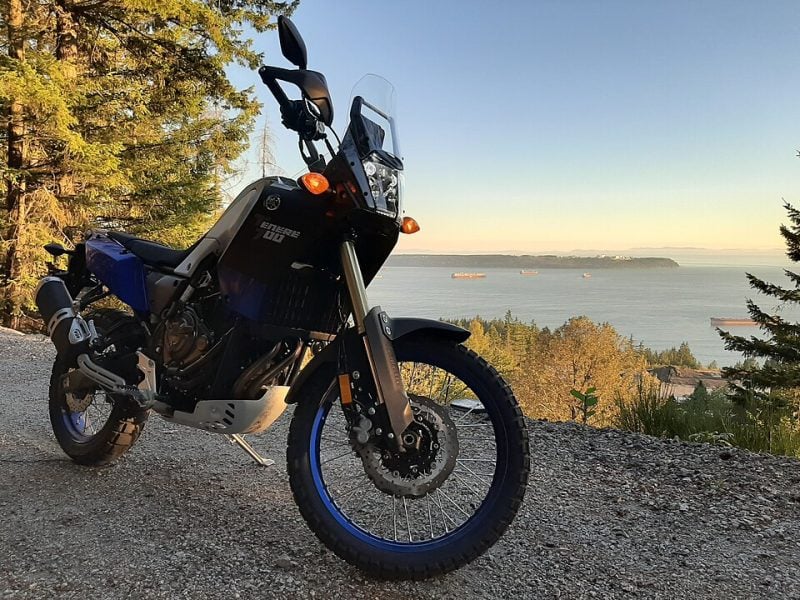
The most reliable motorcycles for long-term ownership typically come from brands like Honda, Yamaha, and Suzuki, with specific models like the Yamaha Tenere 700 and various Honda touring bikes standing out for their proven durability and minimal maintenance requirements.
These machines share common traits including simple mechanical designs, robust engine construction, and widespread parts availability.
Your long-term satisfaction depends on more than just the initial purchase price. The right motorcycle will save you money through reduced repair frequency, maintain its resale value, and provide consistent performance whether you’re commuting daily or embarking on cross-country adventures.
This guide examines the key characteristics that separate truly durable motorcycles from those prone to problems, compares top motorcycle brands for reliability, and explores specific models that have earned reputations for longevity.
You’ll also discover how your maintenance habits and riding style impact your bike’s lifespan, along with real-world insights from riders who have put these machines to the test over hundreds of thousands of miles.
Ready to take a ride? Let’s go!
Core Qualities of Long-Lasting Motorcycles
Motorcycles built for longevity share specific engineering characteristics and design philosophies that set them apart from less durable models. The materials used in construction, maintenance accessibility, historical performance data, and parts ecosystem all play critical roles in determining whether a bike will serve you reliably for decades.
Engine Durability and Build Materials
The engine represents the heart of any motorcycle’s longevity potential. Cast iron cylinder liners, forged pistons, and hardened valve seats resist wear significantly better than cheaper alternatives. Japanese manufacturers typically use precision-machined components with tight tolerances that maintain compression and oil pressure over hundreds of thousands of miles.
Air-cooled engines often prove more durable than liquid-cooled variants due to fewer components that can fail. You won’t deal with radiator leaks, water pump failures, or coolant hose deterioration. However, modern liquid-cooled engines offer better temperature control, which can reduce thermal stress on internal components.
Frame materials matter considerably for structural integrity. Steel frames absorb vibration and resist fatigue cracking better than aluminum, though they add weight. High-quality welds and proper stress relief during manufacturing prevent premature failure points that compromise safety and require expensive repairs.
Ease of Maintenance and Serviceability
Motorcycles designed for easy maintenance allow you to perform routine service without specialized tools or dealership visits. Accessible oil filters, spark plugs, and air cleaners reduce service time and costs. Simple valve adjustment procedures save hundreds of dollars over the bike’s lifetime.
Reliable and easy-to-maintain motorcycles feature logical component placement that doesn’t require removing fairings or other parts just to check fluid levels. Straightforward electrical systems with minimal electronics reduce diagnostic complexity when issues arise.
Chain-driven bikes require more frequent maintenance than shaft-drive models, but chains are cheaper to replace and easier to service yourself. Belt drives offer a middle ground with less maintenance than chains and quieter operation than shafts.
Proven Track Record and Longevity
Real-world performance data reveals which motorcycles genuinely last. Models that remain functional after 100,000 miles demonstrate superior engineering and material quality. Honda’s Gold Wing consistently appears in discussions about motorcycles that last over 100,000 miles with examples from the 1980s still operating today.
The Yamaha Tenere 700’s CP2 engine has earned recognition as one of the most reliable engines in the motorcycle industry, proving its durability through extensive off-road testing. Owner forums and reliability surveys provide valuable insights into which models develop common problems versus those that run trouble-free.
You should examine failure patterns across model years. Bikes with consistent reliability across multiple production years indicate mature designs without significant weaknesses requiring factory revisions.
Availability of Replacement Parts
Parts availability determines whether you can keep your motorcycle running decades after purchase. Popular models from major manufacturers maintain robust aftermarket support with both OEM and third-party options. Japanese brands excel in this area due to their global distribution networks and large user bases.
Discontinued models from smaller manufacturers often become expensive to maintain once parts stockpiles deplete. You face long wait times for specialized components or need to source used parts from other bikes. European motorcycles sometimes suffer from limited parts availability in certain regions, increasing costs and repair duration.
Generic components like brake pads, cables, and bearings that fit multiple models cost less and stock more readily than bike-specific parts. Motorcycles sharing engines and major components across different models benefit from economies of scale that keep replacement parts affordable and accessible for years after production ends.
Top Motorcycle Brands with Exceptional Reliability
Japanese manufacturers have established themselves as leaders in motorcycle reliability through decades of consistent engineering and quality control. By the fourth year of ownership, only 12% of Suzuki bikes require significant mechanical work, while Honda and Yamaha maintain similarly impressive track records.
Honda’s Reputation for Enduring Quality
Honda consistently ranks at the top when riders evaluate motorcycle reliability and ownership satisfaction. The brand’s approach centers on proven engine designs and conservative engineering that prioritizes longevity over cutting-edge performance claims.
You’ll find Honda motorcycles across all segments demonstrating exceptional durability. Their touring bikes particularly excel due to regular maintenance and highway use rather than harsh off-road conditions.
The manufacturer’s extensive parts network ensures you can source components quickly and affordably. This accessibility translates directly to lower long-term ownership costs compared to premium European brands.
Honda’s quality control processes catch potential issues before bikes reach dealerships. You benefit from this rigorous testing through fewer warranty claims and mechanical surprises during your ownership experience.
Yamaha’s Consistent Engineering
Yamaha’s engineering philosophy emphasizes balance between performance and reliability across their entire lineup. The CP2 engine represents the most reliable engine in the motorcycle industry, proving its durability in demanding applications like the Tenere 700 off-road motorcycle.
Your Yamaha motorcycle benefits from the company’s aerospace and marine engine expertise. This cross-industry knowledge results in refined powertrains that withstand harsh conditions and high mileage.
The brand maintains strict manufacturing tolerances that reduce premature wear on critical components. You’ll notice this attention to detail in smoother operation and extended service intervals compared to less reliable manufacturers.
Yamaha’s service network provides consistent support whether you ride sport bikes, cruisers, or adventure motorcycles. Parts availability matches Honda’s accessibility, keeping your maintenance costs predictable throughout ownership.
Suzuki’s Robust Platforms
Suzuki builds motorcycles on proven platforms that emphasize mechanical simplicity and robust construction. This straightforward approach means you encounter fewer complex systems that could fail over time.
The brand’s engines feature understressed designs that operate well within their mechanical limits. You gain reliability through this conservative tuning, even if peak horsepower numbers don’t match more aggressive competitors.
Suzuki motorcycles offer excellent value propositions with reliability matching Honda’s standards at lower purchase prices. Your initial investment goes further while maintaining confidence in long-term dependability.
The manufacturer’s focus on practical features over technological complexity reduces potential failure points. You spend less time troubleshooting electronic issues and more time riding.
Most Enduring Motorcycle Models for Everyday Riders
Certain motorcycles excel at accumulating impressive mileage through daily use, with commuter-focused models and sport touring bikes leading the pack. These machines balance practical design with robust engineering that handles the demands of frequent riding.
Commuter Bikes Known for High Mileage
The Honda CB series stands out for daily commuting, with models like the CB500X and CB650R regularly reaching well over 100,000 miles with proper maintenance. These bikes feature simple air-cooled or liquid-cooled parallel-twin engines that require minimal intervention beyond routine oil changes and valve adjustments.
Yamaha’s SR400 and V-Star 250 offer exceptional longevity for urban riders. The single-cylinder SR400 uses a basic four-stroke design that’s proven itself over decades, while the V-Star’s V-twin engine delivers reliability through straightforward engineering. Both models are extremely reliable and easy to maintain due to their uncomplicated mechanical layouts.
Suzuki’s SV650 remains a favorite among commuters who rack up serious miles. Its V-twin engine is known for trouble-free operation beyond 150,000 miles when serviced regularly. The bike’s lightweight frame and fuel-efficient engine make it practical for daily use while maintaining long-lasting performance.
Sport Touring Motorcycles with Long Lifespans
BMW’s R1250RT and K1600GT represent the pinnacle of high-mileage sport touring. These motorcycles commonly exceed 200,000 miles in the hands of dedicated riders. The boxer engine in the R1250RT features shaft drive that eliminates chain maintenance, while the K1600GT’s six-cylinder powerplant offers smooth, reliable performance for transcontinental journeys.
Honda’s ST1300 and Gold Wing are motorcycles that last over 100,000 miles with regularity. The ST1300’s V4 engine requires only standard maintenance intervals, and owners report minimal issues even at high mileage. The Gold Wing’s flat-six engine is built to automotive standards, contributing to its reputation for covering enormous distances.
Kawasaki’s Concours 14 (also known as the 1400GTR) combines sport bike performance with touring durability. Its 1,352cc inline-four engine delivers strong performance while maintaining reliability past 100,000 miles. The bike’s shaft drive and well-designed cooling system help it handle extended highway use without premature wear.
Best Adventure and Touring Motorcycles for Longevity
Adventure and touring motorcycles designed for extended travel must deliver proven reliability across tens of thousands of miles. The engines powering these bikes need to handle varied conditions while components withstand constant vibration and heavy loads.
Endurance of Adventure-Touring Bikes
The Yamaha Ténéré 700 stands out among adventure bikes in 2026 for its exceptional durability. Its CP2 engine is recognized as one of the most reliable engines in the motorcycle industry, proven through rigorous off-road testing. The parallel-twin design offers simplicity without sacrificing performance.
BMW’s GS series continues to dominate the adventure segment with models engineered for global expeditions. You’ll find these bikes serving duty across continents, accumulating impressive mileage with proper maintenance. Their boxer engines provide longevity through air-cooling assistance and balanced power delivery.
Honda’s Africa Twin lineup combines accessible service intervals with robust construction. The DCT transmission option reduces clutch wear during extended off-road riding. These models typically reach high mileage before requiring major repairs when you follow the maintenance schedule.
Touring Motorcycles Built for the Long Haul
Touring motorcycles in 2025 prioritize comfort and reliability for sustained highway travel. Fuel capacity becomes critical, with most adventure motorcycles requiring at least 4 gallons for extended range between stops.
The Honda Gold Wing represents touring excellence with its horizontally-opposed six-cylinder engine. You can expect 100,000+ miles from these powerplants with regular oil changes and valve adjustments. The shaft drive eliminates chain maintenance entirely.
BMW’s K1600 GT delivers smooth power through an inline-six configuration built for continuous operation. Harley-Davidson’s Ultra Limited combines proven Milwaukee-Eight reliability with comprehensive weather protection. Your choice depends on riding style, but these platforms share exceptional build quality and dealer support networks that ensure parts availability for years ahead.
Comparison of Modern vs. Classic Motorcycles
Modern motorcycles have incorporated advanced engineering and electronics that reduce failure rates, while classic designs rely on mechanical simplicity that makes them easier to maintain over decades of use.
Reliability Advances in Recent Models
Modern motorcycles benefit from fuel injection systems that eliminate carburetor-related issues common in older bikes. Electronic components now monitor engine performance in real-time, preventing damage before it occurs through sensors that track oil pressure, temperature, and other critical metrics.
Contemporary motorcycles have improved substantially despite their added complexity. You get better materials in engine components, including stronger alloys and advanced coatings that resist wear. Modern brake systems with ABS reduce maintenance needs compared to older drum or basic disc setups.
The trade-off involves repair complexity when problems do arise. You may need specialized diagnostic equipment to troubleshoot electronic systems, and parts often cost more than their mechanical equivalents. However, failure rates have decreased significantly, meaning you’ll likely visit the shop less frequently even though individual repairs might be more expensive.
Longevity of Classic Designs
Classic motorcycles offer mechanical simplicity that extends their lifespan when properly maintained. You can often diagnose and fix issues with basic tools, and parts availability remains strong for popular models through aftermarket suppliers.
Simple designs with durable builds create dependable ownership experiences. Air-cooled engines have fewer components to fail compared to liquid-cooled systems. Carburetors require periodic cleaning but remain serviceable for decades without electronic replacements.
The main limitation involves performance standards. Classic bikes typically produce less power, offer inferior handling, and lack safety features you’ll find standard on modern machines. You’ll also spend more time on routine maintenance tasks like valve adjustments and carburetor tuning that newer bikes handle automatically.
Ownership Practices That Enhance Motorcycle Reliability
Following consistent maintenance intervals, protecting your bike from the elements, and selecting quality lubricants directly impact how long your motorcycle performs without major issues. These practices reduce wear and prevent breakdowns regardless of which brand you ride.
Regular Maintenance Schedules
You need to follow the manufacturer’s recommended service intervals found in your owner’s manual. Most motorcycles require oil changes every 3,000 to 6,000 miles, valve adjustments between 6,000 and 15,000 miles, and chain maintenance every 500 to 1,000 miles depending on riding conditions.
Skipping scheduled services accelerates component wear and leads to expensive repairs. Your air filter requires inspection every few thousand miles and replacement when dirty, as restricted airflow reduces engine efficiency and increases fuel consumption.
Critical maintenance tasks include:
- Chain tension and lubrication every 500-600 miles
- Brake fluid replacement every two years
- Coolant system flush every two to three years
- Tire pressure checks before each ride
- Battery terminals cleaned and checked monthly
Keeping detailed records of all maintenance and service work helps you track patterns and maintains resale value. Regular inspections catch small problems before they become major failures.
Proper Storage and Care
You should store your motorcycle in a dry, covered space away from direct sunlight and temperature extremes. UV exposure degrades rubber components, fades paint, and weakens plastic parts over time.
Using a breathable motorcycle cover prevents dust accumulation while allowing moisture to escape. Avoid plastic tarps that trap condensation and promote rust formation on metal surfaces.
During winter storage, fill the fuel tank completely and add fuel stabilizer to prevent varnish buildup in carburetors and fuel injectors. Disconnect the battery and connect it to a trickle charger to maintain proper charge levels. Place the bike on a stand to prevent flat spots on tires from prolonged contact with the ground.
Clean your motorcycle thoroughly before storage to remove road grime, salt, and chemicals that cause corrosion. Apply protective spray to exposed metal components and lubricate the chain even during storage periods.
Choosing the Right Oil and Fluids
You must use oil that meets the viscosity grade and certification standards specified in your owner’s manual. Motorcycle engines operate at higher RPMs than car engines and require oils formulated to handle wet clutch systems in most bikes.
Synthetic oils provide better protection at extreme temperatures and resist breakdown longer than conventional oils. They cost more upfront but extend service intervals and reduce engine wear. Many modern motorcycles specifically require synthetic formulations for optimal performance.
Check your oil level weekly and change it according to your riding style. Aggressive riding, frequent short trips, and dusty conditions require more frequent changes than highway cruising. Your brake fluid absorbs moisture over time, which lowers its boiling point and reduces braking effectiveness, so replace it every two years regardless of mileage.
Coolant protects against freezing and overheating while preventing corrosion inside the cooling system. Use premixed coolant in the ratio specified by your manufacturer, typically 50/50 antifreeze to distilled water.
Cost Considerations Over a Motorcycle’s Lifetime
Owning a motorcycle involves expenses beyond the initial purchase price, with depreciation rates and ongoing maintenance creating significant long-term financial impacts. Understanding these costs helps you make informed decisions about which bikes offer the best value over years of ownership.
Depreciation and Resale Value
Motorcycles typically lose 15-25% of their value in the first year, with depreciation slowing to about 5-10% annually after that. Japanese brands like Honda, Yamaha, and Suzuki consistently hold their value better than many European and American manufacturers.
Your bike’s resale value depends heavily on maintenance records, mileage, and overall condition. Models known for reliability command higher prices on the used market because buyers trust they’ll face fewer problems.
Limited edition models and discontinued bikes sometimes appreciate, but this is rare. Most riders should expect their motorcycle to be worth 40-60% of its original price after five years of typical use.
Factors affecting resale value:
- Brand reputation for reliability
- Service history documentation
- Cosmetic condition and modifications
- Market demand for specific models
- Mileage relative to age
Typical Repair and Upkeep Expenses
Routine maintenance costs vary significantly between motorcycle types and brands. Basic services like oil changes, chain adjustments, and brake pad replacements cost $200-500 annually for most bikes.
The CP2 engine proves incredibly durable in real-world testing, reducing long-term repair expenses. Motorcycles with lower maintenance costs save you thousands over their lifetime.
Japanese manufacturers design bikes with readily available parts and straightforward servicing requirements. European motorcycles often require specialized tools and more expensive OEM parts, increasing your maintenance budget by 30-50%.
Major services at 6,000-12,000 mile intervals run $400-800 for most bikes. Valve adjustments, one of the more expensive maintenance tasks, cost $300-600 depending on your bike’s engine configuration.
Community Insights and Real-World Experiences
Real-world rider feedback and empirical data reveal which motorcycles truly deliver on their reliability promises over years of ownership. Japanese manufacturers consistently earn top marks in both owner testimonials and statistical analyses of breakdown rates.
Owner Testimonials on Long-Term Dependability
Rider experiences provide valuable insights into how motorcycles perform beyond warranty periods. Owner feedback reveals true longevity better than marketing claims, with many enthusiasts reporting specific mileage milestones and maintenance costs.
Honda owners frequently report their bikes exceeding 100,000 miles with only routine maintenance. You’ll find countless testimonials about CB500X and ST1300 models running for decades with minimal issues. Yamaha riders share similar experiences, particularly with the FJR1300 and V-Star models.
Kawasaki Versys and Ninja 650 owners praise the accessibility of parts and straightforward maintenance procedures. Suzuki V-Strom riders emphasize exceptional durability in touring conditions. These bikes are used for long-distance touring and rarely exposed to dirt, helping them achieve exceptional long-term reliability.
BMW GS series owners acknowledge higher maintenance costs but report impressive longevity when properly serviced. You should note that European brands generally require more specialized care than their Japanese counterparts.
Global Reliability Surveys and Reports
Empirical data from approximately 20 million miles of tows provides objective measurements of brand reliability. This dataset eliminates subjective opinions and delivers concrete failure rates across different manufacturers.
The research shows Japanese brands dominate reliability rankings, with Honda consistently posting the lowest breakdown rates. Yamaha and Kawasaki follow closely, while Suzuki maintains strong performance in specific model categories. You’ll find that simple designs with readily available parts reduce your long-term ownership costs significantly.
European manufacturers show mixed results in reliability surveys, with BMW and Triumph posting moderate failure rates. American brands typically rank lower in statistical analyses, though specific models perform better than brand averages suggest.
Consumer Reports discontinued motorcycle surveys years ago, making independent tow data particularly valuable for your purchasing decisions.
Conclusion
Choosing a reliable motorcycle for long-term ownership requires balancing your riding needs with proven durability. Honda, Yamaha, and Suzuki remain top choices for riders seeking budget-friendly dependability without sacrificing quality.
Your maintenance habits will significantly impact how long your motorcycle lasts. Even the most reliable brands require regular oil changes, chain maintenance, and tire inspections. Neglecting these basics can turn a dependable bike into a repair project.
Consider these factors when making your final decision:
- Riding style – Commuting, touring, or off-road use
- Budget constraints – Initial cost versus long-term value
- Parts availability – Easy access to replacements saves time
- Dealer network – Local service options matter
The CP2 engine has proven incredibly durable in models like the Yamaha Tenere 700, demonstrating that specific powertrains within a brand can offer exceptional reliability. Research individual models rather than relying solely on brand reputation.
Premium brands like BMW and Triumph deliver excellent long-distance performance but typically come with higher maintenance costs. You need to weigh these expenses against the benefits they provide for your specific riding requirements.
Reliability remains challenging to judge across all manufacturers due to varying rider habits and maintenance practices. Your ownership experience depends heavily on how you care for your machine. Test ride multiple models, read owner forums, and consult with experienced riders before committing to a purchase.


