
Is the Jeep Grand Cherokee Reliable After 90,000 Miles? Data-Driven Analysis of Long-Term Durability
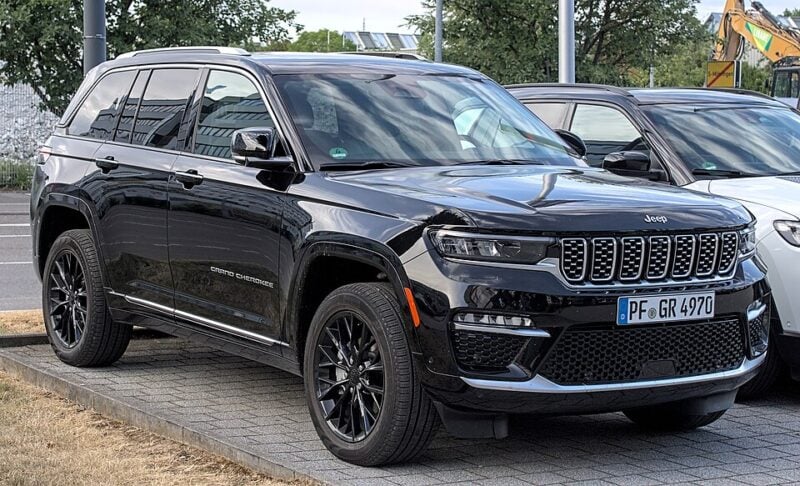
The Jeep Grand Cherokee is one of the finest SUVs on the market. It’s always on lists of best sellers and is a family favorite.
In fact, it can remain reliable after 90,000 miles, but success depends heavily on maintenance history, model year, and which components have been properly serviced.
While the Grand Cherokee doesn’t match the long-term reliability of brands like Toyota or Lexus, many owners successfully drive their vehicles well beyond 100,000 miles with appropriate care and preventative maintenance.
Understanding what to expect at this mileage threshold helps you make informed decisions about purchasing or keeping a high-mileage Grand Cherokee.
Reliability patterns vary significantly between different Grand Cherokee generations and powertrains. Certain components become more vulnerable as you approach the 90,000-mile mark, requiring closer attention and potentially more frequent service.
The total cost of ownership shifts at higher mileages as wear items need replacement and age-related issues emerge.
Your Grand Cherokee’s future depends on understanding which problems commonly surface after extended use and how to address them proactively.
This guide examines the specific challenges you’ll face, the maintenance schedule you should follow, and practical strategies to maximize your vehicle’s longevity beyond the 90,000-mile milestone.
Is your Cherokee going to be a problem or not? Let’s find out!
Overview of Jeep Grand Cherokee Reliability
The Jeep Grand Cherokee shows average reliability scores of 66/100 across all model years, with performance varying depending on the specific year and maintenance history. Your experience with this SUV will largely depend on which generation you own and how well you maintain it.
Reliability Ratings and Consumer Reports
The Grand Cherokee receives mixed ratings from reliability tracking organizations. The 66/100 reliability score places it in the middle range compared to other midsize SUVs in its class.
Consumer feedback reveals that the Grand Cherokee’s reliability varies across different model years and trim levels. Some years perform better than others, making your choice of model year significant when purchasing a used vehicle.
Owner reviews and reliability reports show recurring concerns that you should consider. These issues don’t affect every vehicle, but they appear frequently enough to warrant attention when evaluating a high-mileage Grand Cherokee.
Common Longevity Expectations
You can expect a well-maintained Grand Cherokee to reach 200,000 miles with proper care. Many owners report driving their vehicles past 150,000 miles without major mechanical failures.
The longevity of your Grand Cherokee depends heavily on regular maintenance schedules. Oil changes, transmission services, and cooling system maintenance become increasingly important as mileage accumulates.
Higher-mileage vehicles typically require attention to wear items like suspension components, brake systems, and drivetrain parts. Your driving conditions and whether you use the vehicle for towing also impact how long major components last.
Manufacturer’s Reputation for Durability
Jeep positions the Grand Cherokee as a vehicle combining luxury features with rugged capability. The brand’s heritage emphasizes off-road durability, though some owners report common electrical issues that can affect daily driving.
The Grand Cherokee’s construction focuses on robust engineering principles. You’ll find body-on-frame construction in older models and unibody design in newer generations, each offering different durability characteristics.
Jeep’s reputation in the SUV market centers on capability rather than class-leading reliability. Your Grand Cherokee will likely handle demanding conditions well, but may require more frequent attention to certain systems compared to competitors like the Toyota 4Runner.
Key Components Prone to Issues After 90,000 Miles
The Grand Cherokee experiences predictable wear patterns in specific systems as mileage accumulates. Electrical systems and interior components show increased vulnerability compared to the powertrain and chassis.
Engine Performance and Wear
Your engine’s performance typically remains solid past 90,000 miles if you’ve maintained regular oil changes and cooling system service. However, certain components begin showing their age at this mileage threshold.
Oil consumption may increase as piston rings and valve seals wear. You might notice your engine burning through a quart of oil between changes, particularly in V8 models. Spark plugs and ignition coils also require replacement around this interval to prevent misfires.
The cooling system deserves attention, as the water pump, thermostat, and radiator hoses approach the end of their service life. A failing water pump can lead to overheating and serious engine damage. Your timing chain or belt also needs inspection or replacement depending on your engine type.
Carbon buildup on intake valves affects fuel efficiency and power delivery in some engines. Professional cleaning services can restore proper airflow and combustion efficiency.
Transmission Functionality
Transmission problems represent a significant concern for Grand Cherokee owners, with 2014 and 2015 models experiencing severe issues between 10,000 to 30,000 miles. At 90,000 miles, your transmission faces different challenges.
You may experience delayed shifts, harsh engagement, or slipping between gears as internal clutch packs wear. The torque converter can develop shudder during acceleration or light throttle conditions. These symptoms often worsen gradually rather than appearing suddenly.
Regular transmission fluid changes every 60,000 miles significantly extend longevity. Many owners skip this service, leading to premature failure. The fluid degrades over time, losing its ability to lubricate and cool internal components properly.
Your transmission control module may also malfunction, causing erratic shifting patterns or error codes. Software updates from the dealer sometimes resolve these electronic issues without mechanical repairs.
Suspension and Steering Concerns
Your suspension components endure constant stress, especially if you’ve used the Grand Cherokee’s off-road capabilities. Ball joints, tie rod ends, and control arm bushings wear progressively with mileage and use.
You’ll notice symptoms like clunking noises over bumps, wandering steering, or uneven tire wear. The air suspension system in higher trim levels adds complexity and potential failure points. Air springs can leak, and the compressor may require replacement.
Shock absorbers lose their damping ability, resulting in a bouncy ride and reduced handling precision. Sway bar links frequently fail, creating rattling sounds during turns or over rough pavement.
Wheel bearings also reach their service limit around this mileage, producing humming or grinding noises that increase with vehicle speed. Your steering rack may develop leaks or loose feel, requiring seal replacement or complete unit replacement in severe cases.
Now that we’ve covered some technical spec, what does it actually cost to maintain this vehicle?
Maintenance Requirements for High-Mileage Grand Cherokees
Once your Grand Cherokee crosses 90,000 miles, specific maintenance tasks become non-negotiable for preserving reliability. The service intervals between 7,500 and 100,000 miles include several critical replacements and inspections that directly impact longevity.
Essential Scheduled Services
Your Grand Cherokee requires oil changes every 5,000 to 7,500 miles regardless of mileage. At 90,000 miles, you need to replace the spark plugs if you haven’t already done so at the 60,000-mile mark.
The air filter typically needs replacement every 30,000 miles, so you should be on your third replacement by this point. Your cabin air filter requires changing every 15,000 to 20,000 miles to maintain air quality and HVAC efficiency.
Tire rotations should occur every 5,000 to 7,500 miles to ensure even wear. The brake pads and rotors need inspection at each service, with replacement typically needed between 30,000 and 70,000 miles depending on your driving habits.
Your serpentine belt should be inspected at every service and replaced around 90,000 miles or sooner if cracking appears. Battery terminals need cleaning and testing annually after the three-year mark.
Critical Fluid Replacements
Transmission fluid represents one of the most important maintenance items at high mileage. You should replace it every 60,000 miles, making 90,000 miles past due if you skipped the earlier service.
Coolant needs flushing and replacement every 100,000 miles or 10 years. At 90,000 miles, you’re approaching this interval and should check the coolant condition.
Brake fluid requires replacement every 2 to 3 years or 30,000 miles to prevent moisture accumulation. Differential fluid needs changing every 60,000 miles for four-wheel-drive models.
Power steering fluid should be inspected at each service and replaced if discolored. Transfer case fluid in 4WD models needs replacement at the same 60,000-mile interval as the differential.
Recommended Inspection Points
Inspect your suspension components including ball joints, tie rod ends, and control arm bushings at every service. These wear items typically show signs of deterioration after 80,000 miles.
Check all rubber components including motor mounts, transmission mounts, and sway bar bushings for cracks or separation. The maintenance checklist for Jeep models emphasizes these inspection points for preventing larger failures.
Examine brake lines and fuel lines for corrosion or damage, particularly in areas with road salt exposure. Inspect the exhaust system for rust, leaks, or failing hangers.
Your wheel bearings need inspection for play or noise during tire rotations. CV axles and boots require checking for tears or grease leaks that could lead to joint failure.
Typical Problems Reported by Owners
Grand Cherokee owners frequently report issues with electrical components, cooling systems, and brake wear as vehicles approach and exceed 90,000 miles. These problems vary in severity and repair costs depending on the model year and maintenance history.
Electrical System Malfunctions
You may encounter various electrical issues as your Grand Cherokee ages. The Totally Integrated Power Module (TIPM) is a common failure point that controls numerous electrical functions including fuel pump operation, power windows, and lighting systems.
When the TIPM fails, you might experience problems starting your vehicle, non-functioning power accessories, or erratic behavior from multiple electrical components simultaneously. Replacement costs typically range from $800 to $1,200 including parts and labor.
Other electrical problems include failing window regulators, malfunctioning door lock actuators, and issues with the instrument cluster display. Radio and navigation systems in older models also show increased failure rates after 90,000 miles. Electrical system malfunctions represent one of the most frequently cited complaints among Grand Cherokee owners.
Cooling System Failures
Your cooling system becomes increasingly vulnerable to failure as mileage accumulates. Water pump leaks are common between 80,000 and 120,000 miles, often requiring replacement along with the thermostat and coolant flush.
Cylinder head failures in 2011-2013 models caused significant engine overheating problems and expensive repairs. Radiator failures also occur with higher frequency after 90,000 miles, particularly in vehicles operating in hot climates or used for towing.
You should watch for coolant leaks around hose connections, which deteriorate over time. The radiator fan assembly can fail, leading to overheating during low-speed driving or idling. Preventive maintenance including regular coolant changes every 30,000 miles helps reduce the likelihood of major cooling system failures.
Brake System Wear
Brake component wear accelerates as your Grand Cherokee accumulates miles. Front brake pads typically require replacement every 30,000 to 50,000 miles, while rotors may need resurfacing or replacement by 90,000 miles depending on driving habits.
Brake calipers can seize or develop leaks, particularly on rear wheels. This causes uneven brake wear and reduced stopping power. Electronic brake control modules in some model years experience failures that trigger warning lights and affect anti-lock brake system functionality.
You might notice increased brake pedal travel or a spongy feel, indicating air in the brake lines or worn master cylinder components. Regular brake fluid flushes every two years help prevent internal corrosion that damages brake system components and extends their service life.
Cost of Ownership and Repairs Beyond 90,000 Miles
Once your Jeep Grand Cherokee crosses the 90,000-mile threshold, you’ll face higher maintenance expenses and more frequent component replacements. The average annual repair cost is $666, though costs typically increase as your vehicle ages and accumulates mileage.
Average Repair Costs
Your repair costs for the first five years average $3,549, but expenses rise significantly after 90,000 miles when major components require attention. The Grand Cherokee costs more to maintain than most midsize SUVs, including some luxury models.
You can expect to spend between $600 and $1,200 annually on routine maintenance and repairs beyond 90,000 miles. This figure increases when major systems need work, such as the transmission, suspension, or electrical components.
Higher-mileage Grand Cherokees often require repairs to the cooling system, fuel system, and drivetrain components. Budget for unexpected repairs, as older vehicles experience more frequent breakdowns despite regular maintenance.
Common Replacement Parts
High-wear components that typically need replacement after 90,000 miles include:
- Water pumps and thermostats
- Wheel bearings and ball joints
- Oxygen sensors and catalytic converters
- Brake calipers and rotors
- Alternators and starters
Your suspension system will likely need attention, with control arms, tie rods, and sway bar links requiring replacement. The electronic throttle body and various sensors become prone to failure at higher mileages.
Transmission services become critical, with fluid changes and potential solenoid replacements necessary to prevent costly failures. The HVAC system components, including blend door actuators and blower motors, frequently malfunction on older models.
Warranty Considerations
Your factory warranty typically expires well before 90,000 miles, leaving you responsible for all repair costs. Most Jeep warranties cover 3 years or 36,000 miles for basic coverage and 5 years or 60,000 miles for powertrain components.
Extended warranties or vehicle service contracts can provide coverage beyond factory warranty limits. Evaluate whether an extended warranty makes financial sense based on your vehicle’s condition and repair history.
Third-party warranties vary widely in coverage and reliability, so read the terms carefully before purchasing. Some plans exclude high-mileage vehicles or charge significantly higher premiums for coverage beyond 100,000 miles.
Model Year Differences in Long-Term Reliability
Certain model years demonstrate significantly better durability past 90,000 miles than others, with generational improvements and specific technical issues playing major roles in long-term performance.
Notable Generational Changes
The Grand Cherokee has undergone five distinct generations, each bringing different reliability profiles. The 1998 model year features the durable 4.0L inline-six engine, which proved exceptionally reliable in high-mileage scenarios.
The third generation (2005-2010) introduced more complex electronics that sometimes created problems after extended use. However, the 2009 and 2010 models within this generation showed improved reliability.
The fourth generation (2011-2021) started with significant issues, as model years 2011-2015 are considered among the worst. Common problems included transmission failures and electrical system malfunctions that became more frequent past 90,000 miles.
Later fourth-generation models improved substantially. The 2017-2019 model years are generally considered highly reliable, with better component durability and fewer recurring issues at higher mileages.
Known Recalls and Technical Service Bulletins
Your specific model year determines what recalls and technical bulletins apply to your vehicle. The 2011-2014 models faced recalls for fuel tank issues, alternator failures, and brake system problems that could worsen with age and mileage.
The 2014 model year specifically dealt with extensive transmission-related technical service bulletins. These issues often manifested after 80,000-100,000 miles, requiring expensive repairs.
Models from 2015-2016 had fewer critical recalls but still received bulletins for HVAC system failures and suspension component wear. The 2017-2019 years saw reduced recall activity, though some bulletins addressed minor electrical gremlins and infotainment system glitches that rarely affected mechanical reliability.
Tips for Extending Reliability Post 90,000 Miles
Once your Jeep Grand Cherokee crosses 90,000 miles, staying ahead of wear becomes essential through consistent preventative care and quick responses to warning signs.
Preventative Maintenance Practices
You should change your engine oil every 5,000 to 7,500 miles using the manufacturer’s recommended grade. This interval becomes more critical as mileage increases because older engines accumulate contaminants faster.
Your transmission fluid requires replacement between 90,000 and 100,000 miles if you haven’t already done so. Fresh fluid prevents shifting problems and extends transmission life significantly. You also need to inspect your cooling system hoses and replace them if you notice any cracks or softness, as failures in high-mileage vehicles often stem from deteriorated rubber components.
Key fluid checks every 3,000 miles:
- Brake fluid level and color
- Power steering fluid
- Differential fluid
- Coolant concentration
Replace your spark plugs at 100,000 miles to maintain fuel efficiency and prevent misfires. You should also have your suspension components inspected annually, as worn bushings and ball joints create handling issues and accelerate tire wear. Following proper maintenance intervals helps extend your vehicle’s lifespan substantially.
Signs to Address Immediately
You need to investigate any new noises promptly, particularly grinding sounds from brakes or clicking from CV joints. Delayed attention to these issues causes exponential damage costs.
Address check engine lights within a few days rather than weeks. What starts as a minor sensor fault can cascade into catalytic converter damage or engine problems. You should also respond quickly to transmission hesitation or slipping, as these symptoms indicate internal wear that worsens rapidly.
Warning signs requiring immediate attention:
- Oil leaks creating spots on your driveway
- Steering wheel vibration at highway speeds
- Unusual exhaust smoke colors
- Dashboard warning lights staying illuminated
Watch your temperature gauge closely during drives. Overheating episodes damage head gaskets and warp cylinder heads, creating repairs that exceed your vehicle’s value. If you notice fluid puddles under your vehicle, identify the type and source immediately to prevent reliability issues after 100,000 miles.
Conclusion
The Jeep Grand Cherokee can remain reliable after 90,000 miles, but your experience depends heavily on several key factors. Your maintenance habits play the most critical role in determining whether your vehicle continues to perform well beyond this mileage threshold.
Key factors affecting post-90k reliability:
- Engine type and model year
- Consistency of preventive maintenance
- Driving conditions and usage patterns
- Quality of repairs when issues arise
Reliability after 100,000 miles varies significantly based on these elements. Some model years perform better than others, particularly regarding common problems with electrical systems, transmissions, and drivetrain components.
Your investment in regular oil changes, fluid replacements, and addressing minor issues before they escalate will directly impact longevity. Many owners have successfully driven their Grand Cherokees well past 100,000 miles with proper care.
When considering a Grand Cherokee approaching or exceeding 90,000 miles, you should examine its complete maintenance history. Look for documentation of scheduled services and any major repairs. The vehicle’s condition, maintenance history, and specific trim level all influence what you can reasonably expect.
You can achieve reliable performance at this mileage, but it requires commitment to proactive maintenance rather than reactive repairs. Your willingness to invest in upkeep determines whether your Grand Cherokee becomes a dependable high-mileage vehicle or a source of recurring problems.


_IMG_7791.jpg)