
Is the Lexus GX 460 a Good SUV for Long-Term Ownership? Reliability and Value Analysis
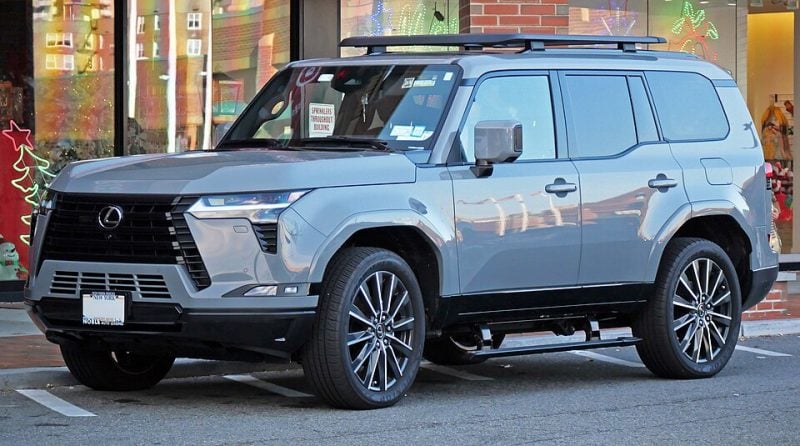
If you’re looking for one of the finest luxury SUVs out there, the Lexus GX 460 stands out as a body-on-frame SUV that combines traditional truck-based construction with premium features and comfort.
If you’re considering this vehicle for long-term ownership, you need to understand both its strengths and potential drawbacks before making such a significant investment.
The Lexus GX 460 is generally an excellent choice for long-term ownership, with reliability ratings around 81-85 percent and a proven track record for durability and minimal repairs compared to other SUVs in its class.
The vehicle comes equipped with a dependable V8 engine and features like adaptive cruise control, 4WD capability, and available third-row seating that appeal to families and adventure seekers alike.
However, not all model years perform equally well. Certain years like 2010 and 2016 have experienced notable reliability issues that you should be aware of when shopping for a used model.
Understanding which years to pursue and which to avoid can save you from costly repairs and frustration down the road.
So which years actually made the cut? Let’s find out!
Overview of the Lexus GX 460
The Lexus GX 460 stands as a body-on-frame luxury SUV that prioritizes durability and off-road capability over cutting-edge technology. It delivers V-8 power and traditional SUV engineering in a segment increasingly dominated by car-based crossovers.
Key Features and Specifications
The GX 460 uses a 4.6-liter V-8 engine that produces 301 horsepower and 329 lb-ft of torque. This engine pairs with a six-speed automatic transmission and standard four-wheel drive with a two-speed transfer case.
The vehicle rides on a ladder-frame chassis, which it shares with the Toyota 4Runner and Land Cruiser Prado. This construction method provides exceptional durability and off-road performance compared to unibody crossovers.
Standard equipment includes crawl control, hill-start assist, and downhill assist control for serious off-road situations. You get seating for seven passengers across three rows, though the third row is best suited for children. The GX 460 measures 192.1 inches in length and offers 64.7 cubic feet of cargo space with the rear seats folded.
Positioning in the Lexus SUV Lineup
The GX 460 fills a specific niche between the car-based RX crossover and the flagship LX SUV. While the RX prioritizes on-road comfort and fuel efficiency, the GX focuses on ruggedness and capability.
The second generation was introduced in 2009, making it one of the oldest designs in the Lexus lineup. This traditional approach sets it apart from more modern competitors but appeals to buyers who value proven engineering over the latest features. It carries a higher starting price than the RX but costs significantly less than the LX.
Target Audience
You should consider the GX 460 if you need genuine off-road capability without sacrificing luxury appointments. The vehicle suits buyers who frequently venture off pavement, tow trailers, or navigate challenging weather conditions.
The GX 460 appeals to those who value durability, off-road prowess, and upscale comfort for family trips and outdoor adventures. If you prioritize the latest technology, fuel efficiency, or a smooth ride on paved roads, other luxury SUVs may better meet your needs. The target buyer appreciates traditional SUV characteristics and Lexus build quality over modern conveniences.
Engine Performance and Reliability
The GX 460’s powertrain centers around a proven V8 engine that delivers both capability and dependability across hundreds of thousands of miles. This combination of traditional engineering and robust construction contributes to the vehicle’s reputation in the luxury SUV segment.
V8 Engine Longevity
The GX 460 uses a 4.6-liter V8 engine that produces 301 horsepower and 329 lb-ft of torque. This V8 engine is known for its durability and consistent performance, with few major issues reported by owners over time.
The engine design prioritizes reliability over cutting-edge technology. You get a naturally aspirated configuration without turbochargers or complex hybrid systems that could introduce additional maintenance concerns. This traditional approach has allowed many GX 460 owners to reach 200,000 miles or more with proper care.
The engine’s cast-iron block and aluminum heads provide a balance between strength and weight. Toyota’s conservative tuning means the engine operates well below its stress limits during normal driving, which extends component life significantly.
Powertrain Durability
The six-speed automatic transmission paired with the V8 has proven reliable in real-world use. This transmission uses conventional hydraulic controls rather than newer dual-clutch designs, contributing to its dependability.
The full-time four-wheel-drive system features a center differential with locking capability. This setup shares components with Toyota’s Land Cruiser Prado platform, benefiting from decades of refinement in demanding conditions. The transfer case and differentials are built to handle off-road stress while maintaining longevity.
J.D. Power rates the GX 460’s reliability at 81 percent, while Consumer Reports surveys show an average reliability rating around 85 percent. These figures reflect owner experiences with the complete powertrain system over multiple years of ownership.
Maintenance Requirements
Your GX 460 requires oil changes every 10,000 miles under normal conditions, though many owners choose 5,000-mile intervals for added protection. The V8 holds 6.6 quarts of 0W-20 synthetic oil.
Transmission fluid should be changed every 60,000 miles despite Lexus listing it as lifetime fluid. Transfer case and differential services are recommended at similar intervals. Spark plugs typically last 60,000 miles, while the timing chain design eliminates belt replacement concerns.
The cooling system uses long-life coolant rated for 100,000 miles or ten years. You’ll need to replace the air filter annually and inspect drive belts regularly. The vehicle typically requires fewer repairs compared to other SUVs in its class, keeping your long-term ownership costs manageable.
Ownership Costs and Value Retention
The GX 460 demonstrates strong value retention compared to many luxury SUVs, with predictable maintenance costs that align with the premium segment. Your long-term financial commitment extends beyond the purchase price to include depreciation, routine service, and insurance premiums.
Depreciation Trends
The Lexus GX holds its value well within the luxury SUV market. You can expect the GX 460 to retain approximately 60-65% of its original value after five years of ownership, which outperforms many competitors in the segment.
The body-on-frame construction and proven reliability contribute to stronger resale values. Your GX 460’s desirability in the used market stems from its reputation for durability and off-road capability combined with luxury appointments.
When evaluating a used model, you should examine maintenance records, mileage, and overall condition to assess expected depreciation accurately. Service history plays a significant role in determining resale value, as documented maintenance demonstrates proper care.
Routine Maintenance Expenses
Your GX 460 requires premium fuel and synthetic oil, which increases routine operating costs compared to non-luxury vehicles. Standard maintenance intervals include oil changes every 10,000 miles and more extensive services at 30,000-mile increments.
Annual maintenance costs typically range from $800 to $1,200 for routine services. Major services at higher mileage intervals can cost $2,000 to $3,000 when including transmission fluid changes, differential services, and brake system maintenance.
Parts and labor rates at Lexus dealerships command premium pricing. You can reduce costs by using independent mechanics familiar with Toyota products, as the GX shares many components with the Toyota 4Runner and Land Cruiser Prado.
Insurance Considerations
Insurance premiums for the GX 460 reflect its classification as a luxury SUV with higher replacement costs. You should budget approximately $1,500 to $2,500 annually for comprehensive coverage, though rates vary by location, driving history, and coverage levels.
The vehicle’s strong safety ratings and theft deterrent systems may qualify you for insurance discounts. Your premiums will be higher than non-luxury SUVs but remain competitive within the premium segment due to the GX’s reliability reputation and lower repair frequency.
Interior Quality and Comfort Over Time
The Lexus GX 460 cabin uses premium materials that resist wear well, though the infotainment technology shows its age compared to newer luxury SUVs. You’ll find the seating remains comfortable on extended drives, while build quality helps maintain a refined feel throughout years of ownership.
Material Durability
The GX 460 features leather upholstery, soft-touch surfaces, and wood trim that hold up remarkably well over time. You’ll notice the seats maintain their shape and support even after 100,000 miles when properly maintained. The dashboard materials resist cracking and fading better than many competitors.
Hard plastics appear in lower areas of the cabin, but these prove durable for daily use. The center console and door panels use sturdy construction that doesn’t develop rattles easily. You can expect the interior to look and feel premium for many years.
Regular cleaning and conditioning of leather surfaces extends their lifespan significantly. The wood trim occasionally requires treatment to prevent drying, but this maintenance is minimal. Floor mats and carpeting stand up well to heavy use and weather exposure.
Seating Comfort for Long Journeys
The GX 460 provides supportive seats with generous cushioning in both front rows. You get ample legroom and headroom in the first two rows, making multi-hour drives comfortable. The seats offer good lumbar support and adjustability for different body types.
Third-row seating is best suited for children or short trips due to limited space. The second row provides significantly more comfort for adult passengers. Heated and ventilated front seats maintain comfort across different climates.
The upright seating position gives you excellent visibility while reducing fatigue on long drives. Seat bolstering keeps you secure without feeling restrictive. Climate control reaches all rows effectively, maintaining consistent comfort throughout the cabin.
Infotainment System Longevity
The GX 460 uses an older infotainment system with a small screen and mouse-like controller. You’ll find the interface less intuitive than modern touchscreen systems. The technology feels dated compared to vehicles from the past five years.
The system remains functional and reliable over time without major glitches or failures. Apple CarPlay and Android Auto were added in later model years, improving smartphone integration. Navigation updates require dealer visits or USB downloads rather than over-the-air updates.
The sound system quality holds up well, with premium audio options available. Physical buttons and knobs for climate control prove more durable than touch-sensitive controls. While the technology lags behind current standards, it continues working reliably throughout the vehicle’s lifespan.
Safety and Long-Term Peace of Mind
The Lexus GX 460 delivers comprehensive protection through multiple airbags, collision prevention systems, and intelligent driving aids that work together to reduce accident risks. These features contribute to lower long-term ownership anxiety and help maintain the vehicle’s value over time.
Safety Features and Ratings
The GX 460 comes equipped with 10 airbags throughout the cabin, providing extensive occupant protection in various collision scenarios. You’ll find airbags positioned for front, side, knee, and curtain coverage.
The vehicle includes body-on-frame construction that adds structural rigidity during impacts. This design choice enhances crashworthiness while supporting the SUV’s off-road capabilities.
J.D. Power rates the GX 460 reliability at 81 percent, while Consumer Reports shows an average reliability rating around 85 percent from owner submissions. These ratings reflect the vehicle’s consistent performance in maintaining safety systems over extended ownership periods.
The 2020 model features trailer sway control and downhill assist control as standard equipment. These systems help you maintain vehicle stability when towing or navigating steep descents.
Advanced Driver Assistance Technologies
Modern GX 460 models include the Lexus Safety System+ as standard equipment. This suite integrates multiple technologies to assist you during daily driving.
Pre-collision warning and automatic emergency braking work together to detect potential frontal collisions and apply braking force when necessary. The system monitors traffic ahead and alerts you to closing distances.
Lane departure warning helps prevent unintentional lane drift by monitoring road markings. You receive visual and audible alerts when the system detects your vehicle drifting without signaling.
These driver assistance features require minimal maintenance over the vehicle’s lifespan. The systems use proven sensor technologies that align with Lexus’s durability standards for long-term functionality.
Common Issues and Known Problems
The Lexus GX 460 experiences several recurring issues that affect long-term ownership costs and convenience. Mechanical problems and electronic failures have been documented across multiple model years, though the severity varies.
Frequent Mechanical Concerns
You may encounter transmission hesitation during acceleration, particularly in earlier model years. The transmission can exhibit delayed shifts or rough transitions between gears, which affects driving smoothness. This issue typically appears after 60,000 miles.
Air suspension failures represent another common problem. The air springs and compressor can fail prematurely, leading to repair costs between $1,500 and $3,000 per corner. You’ll notice uneven ride height or a warning light on your dashboard when these components begin failing.
Secondary air injection system failures occur frequently on 2010-2013 models. This emissions-related component can trigger check engine lights and cause you to fail emissions testing. The repair typically costs $800-$1,200.
Water pump leaks affect various model years, usually between 60,000 and 100,000 miles. You should watch for coolant puddles under your vehicle or a sweet smell from the engine bay.
Electronics and Technology Failures
The navigation system can freeze or become unresponsive, requiring a complete system reset. This affects multiple model years and represents a frustrating technology issue for daily use.
Your backup camera may display a blank or distorted image due to failed camera modules or corroded connections. Replacement cameras cost $400-$800 depending on the model year.
The Mark Levinson audio system experiences amplifier failures that result in speakers cutting out or producing distorted sound. You’ll need to replace the entire amplifier unit, which costs approximately $1,200-$1,800.
Resale Value and Market Demand
The Lexus GX 460 demonstrates strong resale performance compared to most luxury SUVs, with specific trim levels and the brand’s reliability reputation driving consistent demand in the used market.
Historical Resale Performance
The GX 460 maintains impressive value retention over time. After five years of ownership, the predicted resale value is 37.9%, positioning it among the top performers in the midsize luxury SUV segment.
The average used Lexus GX sells for $48,057 in the current market, which is 73.50% higher than the average used car. Recent model years command an average price of $43,646, reflecting sustained buyer interest.
The GX 460’s body-on-frame construction and proven V8 engine contribute to its longevity appeal. Your vehicle’s resale prospects benefit from the model’s reputation for lasting well beyond typical ownership periods, making it attractive to second and third owners seeking dependable transportation.
Factors Influencing Market Value
Multiple trim levels and customization options significantly influence resale value, as buyers seek specific features in the used market. Premium packages and desirable configurations command higher prices.
Key value drivers include:
- Lexus brand reputation for reliability and luxury
- Strong owner satisfaction ratings
- Durable construction and proven mechanical components
- Consistent demand for body-on-frame SUVs
The GX 460 generally retains value better than many rivals thanks to its combination of luxury features and rugged capability. Your vehicle’s market position benefits from limited direct competition in the luxury body-on-frame segment, where fewer alternatives exist compared to unibody crossovers.
Comparison With Competing SUVs
The GX 460 shares its platform with the Toyota Land Cruiser Prado and competes against full-size luxury SUVs that offer different strengths in comfort, technology, and capability.
Toyota Land Cruiser Prado Differences
The Lexus GX 460 and Toyota Land Cruiser Prado are mechanical twins built on the same platform with identical powertrains and four-wheel-drive systems. Both use a 4.6-liter V8 engine and body-on-frame construction that prioritizes durability over refinement.
The primary differences lie in luxury appointments and pricing. Your GX 460 includes more standard features like premium leather, better sound insulation, and upgraded technology interfaces. The interior materials quality is noticeably higher in the Lexus, with softer surfaces and more attention to fit and finish.
You’ll pay approximately $10,000 to $15,000 more for the GX 460 badge compared to the Land Cruiser Prado in markets where both are sold. The Toyota 4Runner shares similar mechanical DNA and offers an alternative at a lower price point with slightly less luxury.
Luxury SUV Alternatives
Your alternatives in the luxury SUV segment include the Chevrolet Tahoe and Suburban, which offer more interior space and modern technology but lack the GX 460’s off-road capability and proven reliability record. These domestics provide better third-row access and more cargo capacity behind the third row.
The Mercedes-Benz GLE and BMW X5 deliver superior on-road handling and more advanced driver assistance features. However, they use unibody construction that limits serious off-road use and typically have higher maintenance costs over time.
The redesigned Lexus GX improves on the GX 460’s shortcomings with updated technology and more power while maintaining the body-on-frame architecture that makes it durable for long-term ownership.
Owner Experiences and Expert Reviews
The Lexus GX 460 receives consistently positive feedback from both long-term owners and automotive professionals, with particular praise for its durability and build quality. Owner satisfaction rates remain high even after years of use, while expert assessments highlight its traditional body-on-frame construction and proven reliability.
Long-Term Owner Satisfaction
Lexus GX owners report exceptional reliability, with many expressing confidence that their vehicles will last 300,000 to 400,000 miles with proper maintenance. The GX 460 shares its platform with the Toyota Land Cruiser Prado, which is engineered for an operational life of approximately 25 years.
Owners consistently praise the vehicle’s solid build quality and luxurious features. The GX 460 has developed a loyal following due to its combination of durability and premium amenities.
According to feedback, the most reliable model years fall between 2014 and 2019. These years received important updates including redesigned grilles, LED headlights, and enhanced safety features that improved the overall ownership experience.
Professional Assessments
Automotive experts recognize the Lexus GX as an upscale counterpart to the Toyota 4Runner, sharing many strengths with Toyota’s proven mid-size SUV platform. Professional reviews emphasize the vehicle’s traditional construction and off-road capability.
Experts note that understanding which model years perform best helps buyers make informed decisions based on reliability data, performance metrics, and long-term dependability records. The body-on-frame design contributes to its reputation as a robust, capable SUV.
Professional assessments highlight the GX 460’s combination of luxury refinement and mechanical durability. Its old-school engineering approach appeals to buyers seeking a traditional SUV experience with modern amenities.
Conclusion
The Lexus GX 460 stands out as a solid choice for long-term ownership. J.D. Power rates its reliability at 81 percent, while Consumer Reports submissions average around 85 percent.
You get a body-on-frame SUV with proven Toyota engineering under the Lexus badge. The V8 engine and shared platform with the Toyota 4Runner provide robust construction and dependable performance.
Key ownership advantages include:
- Lower maintenance costs compared to competitors
- Fewer required repairs than similar luxury SUVs
- Strong resale value retention
- Durable components designed for longevity
Your decision should account for both strengths and limitations. The GX 460 typically requires fewer repairs compared to other SUVs in its class, making it practical for families and long road trips.
The vehicle combines traditional SUV capability with luxury features. You won’t find cutting-edge technology in older models, but the simplified and robust technology actually benefits long-term ownership.
If you prioritize reliability, off-road capability, and proven durability over fuel efficiency and modern tech, the GX 460 meets those needs. Your maintenance habits will determine how well it performs over time, but the foundation is built to last.


