
Is the Mercedes-Benz E-Class Expensive to Insure? A Comprehensive Cost Analysis
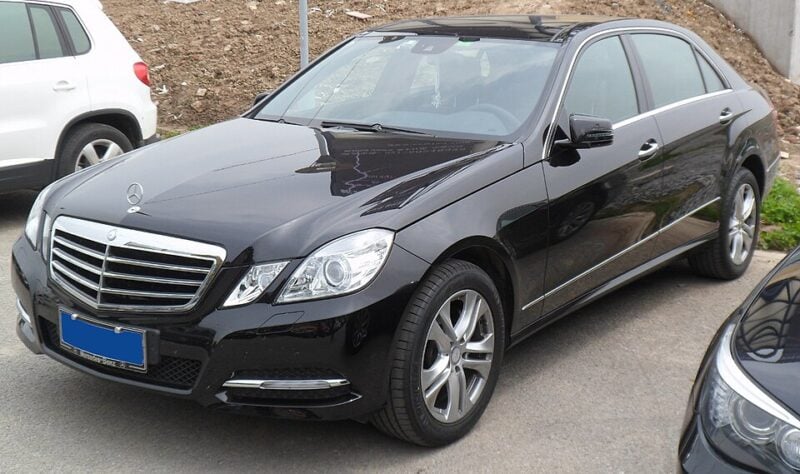
The Mercedes-Benz E-Class sits firmly in the luxury sedan category, and if you’re considering buying one, insurance costs should factor into your budget.
Insurance for a Mercedes-Benz E-Class typically ranges from $1,800 to $3,600 annually, making it more expensive to insure than most mainstream vehicles but comparable to other luxury sedans.
The higher premiums reflect the vehicle’s value, repair costs, and advanced technology features. Your actual insurance rate depends on multiple factors beyond just the vehicle itself.
Your age, driving record, location, and the specific model year you choose all play significant roles in determining what you’ll pay. A 2018 model will cost less to insure than a brand-new 2026 version, and choosing between standard and high-performance variants creates another price difference.
Understanding what drives these costs helps you make informed decisions when shopping for both your vehicle and coverage. You have options to reduce your premium while still protecting your investment adequately.
The following breakdown examines the specific factors affecting E-Class insurance rates and provides practical strategies for securing competitive pricing.
Key Factors Influencing Mercedes-Benz E-Class Insurance
Multiple variables affect what you’ll pay to insure your Mercedes-Benz E-Class, from the specific model you choose to where you live. Your premiums depend on a combination of vehicle characteristics, personal factors, and geographic risk assessments.
Vehicle Model Year and Trim Level
The year and trim of your E-Class directly impacts your insurance costs. Insurance costs for a recent Mercedes-Benz E-Class typically run higher than those for a 2019 model due to increased replacement values and repair costs.
High-performance variants command steeper premiums. The AMG series carries significantly higher rates compared to standard E-Class models because of increased power and higher price tags. Newer vehicles also include advanced technology features that cost more to repair or replace after an accident.
Conversely, older E-Class models may see rate increases if they lack modern safety technologies that insurers favor. The specific trim level you select matters considerably, as luxury options and performance packages add to both the vehicle’s value and your insurance bill.
Driver Age and Experience
Your age and driving history play crucial roles in determining your E-Class insurance rates. Younger drivers typically face substantially higher premiums due to statistical accident risk, regardless of the vehicle they’re insuring.
Insurance companies examine your driving record closely. A clean history with no accidents or violations earns you lower rates, while past claims or traffic tickets increase your costs. Years of licensed driving experience also factor into calculations, with more experienced drivers generally receiving better rates.
Your claims history extends beyond just accidents. Even comprehensive claims for theft or weather damage can influence future premiums for luxury vehicles like the E-Class.
Location and Local Accident Rates
Where you park and drive your E-Class affects your insurance costs significantly. Urban areas with higher traffic density, theft rates, and accident frequencies result in elevated premiums compared to rural locations.
State-specific insurance requirements and regulations create rate variations across the country. Some states mandate higher liability limits or additional coverage types that increase base costs. Local repair costs also vary by region, with areas having higher labor rates and parts costs leading to increased premiums.
Your ZIP code’s claim frequency matters too. Neighborhoods with higher rates of vehicle theft, vandalism, or weather-related damage push premiums upward for all residents.
Comparison With Other Luxury Vehicles
The Mercedes-Benz E-Class falls in the middle range for luxury vehicle insurance costs, with competitive alternatives from BMW, Audi, and Lexus offering different premium structures based on repair costs, safety features, and brand positioning.
Insurance Costs for BMW 5 Series
The BMW 5 Series represents the E-Class’s most direct competitor in the luxury sedan segment. Insurance premiums for the 5 Series typically range from $3,400 to $3,900 annually, placing it in a similar price bracket to the E-Class.
Your costs will vary based on the specific 5 Series model you choose. The M550i xDrive with its high-performance engine commands higher premiums than the base 530i due to increased repair costs and higher replacement values.
BMW’s advanced driver assistance systems can help offset some insurance costs through safety discounts. However, the brand’s reputation for expensive parts and specialized service requirements keeps premiums elevated compared to non-luxury vehicles.
Rates for Audi A6
The Audi A6 offers comparable luxury to the E-Class with slightly different insurance dynamics. Annual premiums for the A6 generally fall between $3,200 and $3,700, making it marginally less expensive to insure than the E-Class in most cases.
Audi’s quattro all-wheel-drive system contributes to better safety ratings, which insurers reward with lower premiums. The A6’s aluminum construction reduces weight but increases repair complexity and costs when body damage occurs.
Your insurance rates for an A6 will reflect Audi’s position as a premium brand without the ultra-luxury pricing of some Mercedes models. The Audi A5 ranks among the cheapest large luxury cars to insure, suggesting the brand’s overall insurance costs trend lower than German competitors.
Premiums for Lexus ES
The Lexus ES stands out as a significantly more affordable option to insure among luxury sedans. You can expect annual premiums ranging from $2,400 to $2,900, representing savings of $800 to $1,200 compared to the E-Class.
Lexus benefits from Toyota’s reputation for reliability and lower maintenance costs. Parts availability and simpler repairs translate directly into reduced insurance premiums for you as the policyholder.
The ES emphasizes comfort over performance, which results in fewer high-speed accident claims and lower risk profiles. Your insurance company recognizes this conservative driving demographic with more favorable rates than sportier German luxury sedans.
Standard Versus High-Performance E-Class Variants
The type of E-Class you choose directly affects your insurance costs, with performance-oriented models commanding significantly higher premiums than standard trims. Power output, vehicle value, and repair complexity all influence what insurers charge for coverage.
Impact of AMG Models on Premiums
AMG variants of the E-Class carry substantially higher insurance costs compared to standard models. The AMG E 53 HYBRID Sedan represents the high-performance option in the current lineup, featuring advanced engineering and increased power.
High-performance AMG models fall into higher insurance groups due to several factors:
- Increased repair costs from specialized parts and components
- Higher vehicle replacement values at purchase
- Greater theft risk associated with performance vehicles
- Elevated accident statistics linked to powerful engines
The insurance groups for E-Class models range from 41 to 50, with the AMG E 53 positioned at the maximum rating. Standard E 350 models sit at the lower end of this range, resulting in meaningfully different premium quotes.
Your choice between the E 350 and AMG E 53 could impact annual insurance costs by hundreds or even thousands of dollars. Insurers view the AMG’s enhanced performance capabilities as increased liability exposure.
Hybrid and Electric E-Class Options
Plug-in hybrid variants like the E 300 e also receive high insurance group ratings of 50, matching the AMG performance models. This occurs despite their focus on efficiency rather than outright performance.
The elevated insurance costs for hybrid E-Class models stem from battery replacement expenses and specialized repair requirements. Your insurer considers the complexity of dual powertrains when calculating premiums. Technician training requirements and limited repair facility availability add to the cost equation.
The E 350 offers a balance of luxury and efficiency with lower insurance group placement compared to hybrid alternatives. Standard gasoline models benefit from established repair networks and widely available parts, which insurers factor into their risk assessments.
Coverage Types and Their Cost Implications
The type of coverage you select for your Mercedes-Benz E-Class directly affects your premium costs. Full coverage policies cost around $3,599 per year, while liability-only options reduce that expense to approximately $911 annually.
Comprehensive vs. Liability Only
Liability-only coverage protects other drivers and their property when you cause an accident. For your E-Class, this minimal coverage averages about $76 per month. This option makes financial sense only if your vehicle has depreciated significantly or you own it outright with substantial savings to cover potential replacement costs.
Full coverage combines liability with comprehensive and collision protection for your own vehicle. This broader protection costs around $200 monthly for the E-Class. Given that 2020 models start at $54,000 and can exceed $100,000, comprehensive coverage protects your substantial investment against theft, vandalism, weather damage, and animal strikes.
Collision Coverage Considerations
Collision coverage pays for damage to your E-Class regardless of fault in an accident. The high repair costs associated with luxury vehicles make this coverage particularly valuable. Mercedes-Benz parts are specialized and expensive, requiring dealer-certified repairs that significantly increase claim costs.
Your E-Class’s value determines whether collision coverage remains cost-effective. If you’re financing or leasing, your lender requires this protection. Once your vehicle ages and its value drops below the point where annual premiums approach the replacement cost, you can consider dropping collision coverage to reduce expenses.
Typical Annual Premium Ranges
Insurance costs for the Mercedes-Benz E-Class typically fall between $1,597 and $3,762 annually for full coverage, though your actual rate depends heavily on where you live and your policy structure.
Regional Price Differences
Your location significantly impacts what you’ll pay to insure an E-Class. Insurance rates vary substantially from state to state due to different regulations, accident rates, and repair costs in each area.
State-specific rates show considerable variation, with some states charging dramatically more than others. For a 2021 E-Class, monthly premiums in Illinois range from approximately $36 to $38, while Texas drivers pay between $74 and $80 per month for the same model.
Urban areas generally command higher premiums than rural locations. This reflects increased theft risk, higher accident frequency, and more expensive repairs in metropolitan regions. Your specific zip code plays a crucial role in determining your final premium, even within the same state.
Influence of Deductibles
Your deductible choice directly affects your annual premium. Selecting a higher deductible reduces your monthly or annual insurance costs but increases what you pay out-of-pocket when filing a claim.
Full coverage policies average around $3,599 per year, while liability-only coverage drops to approximately $911 annually. Choosing a $1,000 deductible instead of $500 typically lowers your premium by 10-20%, though you’ll need to weigh this savings against your financial ability to cover the higher deductible during an accident.
Your coverage limits also matter. Minimum liability coverage costs significantly less than comprehensive policies that include collision, uninsured motorist protection, and higher liability limits.
Ways to Reduce Your Insurance Premium
Mercedes-Benz E-Class owners can lower their insurance costs through policy bundling and participation in driving behavior programs that reward safe habits.
Bundling Policies
Combining your Mercedes-Benz E-Class insurance with other policies can significantly reduce your premiums. Most insurance companies offer multi-policy discounts when you bundle auto insurance with homeowners, renters, or umbrella coverage through the same provider.
The typical bundling discount ranges from 10% to 25% off your total premium costs. You’ll also benefit from simplified billing and claims processes when all your policies are with one insurer.
Contact your current insurance provider to explore bundling options before shopping elsewhere. Many insurers give additional loyalty discounts to long-term customers who add policies over time.
Common bundling combinations include:
- Auto + homeowners insurance
- Auto + renters insurance
- Auto + motorcycle insurance
- Auto + umbrella liability coverage
Telematics and Safe Driving Programs
Usage-based insurance programs monitor your driving habits through smartphone apps or plug-in devices to determine personalized rates. These programs track metrics like hard braking, acceleration, cornering, speed, and time of day you drive.
Safe drivers can earn discounts of 5% to 30% based on their performance scores. Most programs offer an initial enrollment discount just for participating, even before your driving is evaluated.
Your privacy settings allow you to control what data gets shared with insurers. The monitoring period typically lasts 90 days before your discount is finalized.
Popular telematics programs include Progressive’s Snapshot, State Farm’s Drive Safe & Save, and Allstate’s Drivewise. You can opt out at any time if you’re uncomfortable with the monitoring or not achieving meaningful savings.
Long-Term Ownership and Insurance Trends
Insurance costs for the Mercedes-Benz E-Class shift over time as your vehicle ages and builds a claims record. Both depreciation and your personal driving history create measurable changes in what you’ll pay for coverage.
Depreciation Effects on Premiums
As your E-Class depreciates, your insurance premiums typically decrease because the vehicle’s replacement value drops. This reduction primarily affects comprehensive and collision coverage, which pays out based on your car’s actual cash value at the time of a claim.
The five-year total cost of ownership includes depreciation as a major factor, and this same depreciation works in your favor for insurance. A newer E-Class carries higher premiums to protect its greater value, while a five-year-old model costs significantly less to insure.
You’ll notice the most dramatic premium decreases in the first three years of ownership. After that point, the rate of depreciation slows and insurance cost reductions become more gradual.
Claims History and Future Rates
Your personal claims history with the E-Class directly impacts your future insurance rates. Filing even one at-fault claim can increase your premiums by 20-40% at renewal, and multiple claims within a three-year period may result in even steeper hikes.
The E-Class benefits from strong safety ratings, but your individual driving record matters more to insurers than the vehicle’s design. If you maintain a clean claims history over several years, you’ll likely qualify for claim-free discounts that can offset the typically higher Mercedes-Benz insurance rates.
Comprehensive claims for theft or weather damage generally impact rates less severely than collision claims. Maintaining continuous coverage without lapses also helps you secure better rates over time.
Choosing the Right Insurer for Your E-Class
Not all insurers handle luxury vehicles the same way, and the company you choose can significantly impact both your premium and claims experience. Your decision should balance competitive pricing with the insurer’s ability to properly value and repair your Mercedes-Benz.
Specialty Providers Versus Mainstream Companies
You have two main options when insuring your E-Class: specialized luxury vehicle insurers or traditional mainstream companies. Specialty providers focus exclusively on high-end vehicles and typically understand the unique needs of Mercedes-Benz owners better than general insurers.
These specialty companies often offer agreed value coverage, which guarantees a predetermined payout amount if your vehicle is totaled. They also maintain networks of certified Mercedes-Benz repair facilities and understand the cost implications of genuine OEM parts. However, their premiums may run higher than mainstream alternatives.
Mainstream insurance companies like State Farm, Geico, and Progressive insure luxury vehicles alongside economy cars. They typically offer more competitive base rates and various discount opportunities. The tradeoff is that their adjusters may be less familiar with luxury vehicle valuation, and they might initially suggest aftermarket parts instead of genuine Mercedes components.
When comparing insurance rates across companies, request quotes from both categories to determine which approach offers the best value for your specific E-Class model.
Importance of Customer Service and Reviews
Customer service quality becomes critical when you file a claim on your E-Class. You need an insurer that responds quickly, processes claims efficiently, and doesn’t dispute the value of your luxury vehicle or its repair costs.
Research each insurer’s claims satisfaction ratings through J.D. Power, AM Best, and the National Association of Insurance Commissioners. These organizations track complaint ratios and customer satisfaction scores that reveal how insurers actually perform when you need them most.
Pay particular attention to reviews from other luxury vehicle owners. Their experiences with total loss valuations, rental car quality during repairs, and disputes over OEM parts will give you insight into how the company handles premium vehicles. Look for patterns in negative reviews rather than isolated incidents.
Response time and availability matter significantly. Verify that your potential insurer offers 24/7 claims reporting and has local adjusters who can inspect your vehicle promptly rather than relying solely on photo estimates for a luxury car.


