
The Maintenance Cost of a BMW R1250GS Per Year
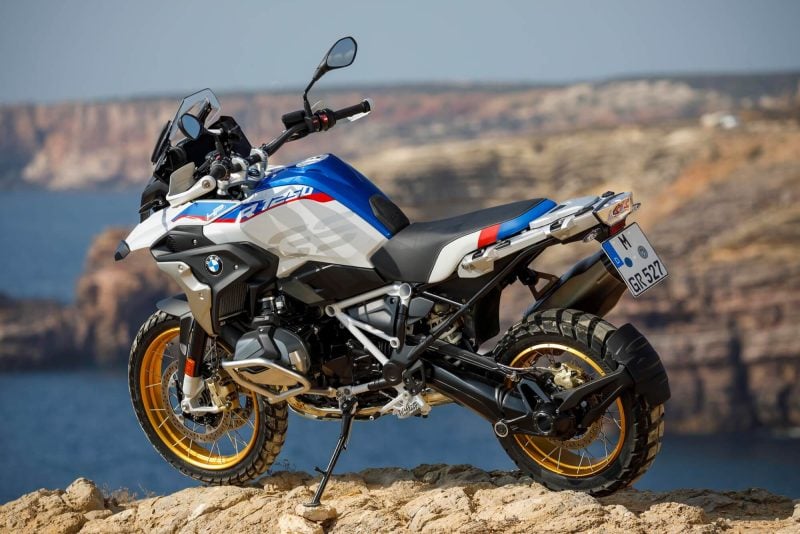
The BMW R1250GS is a premium adventure motorcycle that comes with ownership costs to match its capabilities.
Expect to budget between $800 and $1,200 per year for routine maintenance on your R1250GS, though actual costs vary based on how you ride, where you service the bike, and whether you perform basic tasks yourself.
This figure covers scheduled services, consumables like oil and filters, and typical wear items such as brake pads and tires.
Understanding what drives these costs helps you plan your budget and avoid surprises. BMW’s maintenance schedule follows specific mileage intervals, with routine services at 6,000 miles and major inspections at 12,000 miles. Your annual expenses will depend on which services fall due based on your riding habits.
Beyond scheduled maintenance, you’ll need to account for consumables used throughout the year and potential repairs from normal wear. Regional pricing differences, whether you choose dealer or independent service, and your mechanical skill level all influence your final costs. This breakdown covers everything you need to know about the real cost of keeping your R1250GS road-ready.
Annual Maintenance Overview
Your BMW R1250GS requires at least one service appointment per year, regardless of how many miles you ride. This annual requirement is part of BMW Motorrad’s maintenance strategy and applies to all their motorcycles.
The standard maintenance schedule follows either yearly intervals or every 10,000 kilometers (approximately 6,000 miles), whichever comes first. BMW introduced these extended service intervals in 1989, and they remain among the longest in the motorcycle industry today.
Annual Service Components
Your yearly inspection typically includes:
- Engine oil and filter replacement
- Brake system inspection
- Tire condition and pressure check
- Fluid level verification
- Safety system evaluation
Cost Expectations
You can expect to pay between $200-300 for routine annual maintenance that includes oil changes and standard inspections. This represents about 1.5-2 hours of labor at typical shop rates, plus parts costs.
The actual expense varies based on your riding habits and mileage. If you exceed the 10,000 km threshold before your annual date arrives, you’ll need service sooner. High-mileage riders may face multiple service appointments within a single year.
You can perform basic maintenance tasks yourself if you have the proper tools and knowledge. However, more technical procedures like valve adjustments require a certified BMW technician’s expertise.
BMW’s extended service intervals help control your ownership costs compared to motorcycles requiring more frequent attention. The predictable maintenance schedule allows you to budget effectively for your R1250GS upkeep throughout the year.
Scheduled Service Intervals
BMW R1250GS maintenance follows a structured timeline with services at 10,000 km (approximately 6,000 miles) intervals, though annual inspections are mandatory regardless of mileage. The service schedule alternates between minor and major services, with specific tasks required at different intervals.
Oil Changes and Fluid Replacements
Your R1250GS requires engine oil changes every 10,000 km or annually, whichever comes first. BMW uses this interval across most of their motorcycle lineup, reflecting the durability of their engineering.
The oil change includes replacing the oil filter. You’ll need approximately 3.75 liters of oil that meets BMW’s specifications. Brake fluid requires replacement every two years, regardless of mileage, to prevent moisture absorption that can compromise braking performance.
Coolant replacement occurs at longer intervals, typically every four years. The final drive oil needs changing at specific service intervals based on your maintenance schedule. These fluid replacements form the foundation of your motorcycle’s routine maintenance costs.
Valve Clearance Inspections
Valve clearance checks occur at 30,000 km intervals on the R1250GS. This represents a significant improvement over older models and reduces long-term maintenance costs. The ShiftCam variable valve timing system introduced in 2019 contributes to the extended service intervals.
These inspections verify that valve clearances remain within specification. Adjustments are only necessary if measurements fall outside acceptable ranges. Most R1250GS owners find that actual valve adjustments are rarely needed, though the inspection itself is mandatory at the specified interval.
Major and Minor Services
Services alternate between minor (10,000 km, 30,000 km) and major (20,000 km, 40,000 km) intervals. Minor services include oil changes, filter replacements, and basic inspections of critical systems.
Major services add more comprehensive tasks. At 20,000 km, your cardan shaft requires replacement as a preventative measure. BMW Motorrad covers this cost for R1250 models as standard maintenance content. Major services also include thorough inspections of brakes, suspension components, and electrical systems.
Each service type has a defined scope that determines the labor hours and parts required. Your maintenance costs will vary based on whether you’re due for a minor or major service in any given year.
Wear and Tear Components
The BMW R1250GS requires regular replacement of components that naturally degrade with use, including brake pads, tires, and the battery. These costs vary based on riding conditions and maintenance habits.
Brake Pads and Discs Replacement
Brake pads on the R1250GS typically last between 15,000 to 25,000 miles depending on your riding style and terrain. Aggressive braking and frequent off-road use will reduce their lifespan considerably.
Front brake pads generally cost $80-$150 for a set, while rear pads run $60-$100. Professional installation adds $100-$200 in labor costs. You’ll spend roughly $300-$450 for a complete brake pad replacement at both ends.
Brake discs last significantly longer, usually requiring replacement every 30,000 to 50,000 miles. Front discs cost $200-$350 each, and you’ll need two. Rear discs run $150-$250. A full disc replacement with labor can exceed $1,000.
Tire Costs and Longevity
The R1250GS wears through tires at different rates based on whether you ride primarily on-road or off-road. Street-focused riding delivers 8,000 to 12,000 miles per rear tire and 10,000 to 15,000 miles for the front.
Quality adventure tires cost $150-$250 for the rear and $120-$200 for the front. You’ll pay an additional $50-$100 for mounting and balancing at a shop. Expect to spend $350-$600 annually on tires if you ride 10,000 miles per year, as you’ll replace the rear tire at least once.
Battery Replacement
The R1250GS uses a premium lithium-ion or AGM battery that typically lasts 3 to 5 years. Cold weather and infrequent use shorten battery life significantly.
A replacement battery costs $150-$300 depending on the type you choose. Lithium batteries offer lighter weight and longer life but command premium prices. Installation is straightforward if you handle it yourself, or a dealer will charge $30-$50 for the service.
Cost Breakdown by Service Type
Understanding where your money goes during BMW R 1250 GS maintenance helps you budget effectively and make informed decisions about service options. The three main cost factors are labor rates, parts selection, and your choice of service provider.
Labor Costs
Labor rates for BMW R 1250 GS service vary significantly based on location and facility type. Dealerships typically charge between $120 and $180 per hour for motorcycle maintenance work.
Independent BMW specialists usually offer more competitive rates, ranging from $80 to $120 per hour. A standard oil change and inspection requires approximately 1 to 1.5 hours of labor, translating to $80 to $270 depending on where you take your bike.
More complex services demand additional time. Valve adjustments require 3 to 5 hours of skilled labor. Brake system work typically takes 2 to 3 hours per service interval. Your annual labor costs will depend on your mileage and which service intervals fall within that year.
OEM vs. Aftermarket Parts
OEM parts from BMW ensure perfect fit and warranty compliance but carry premium pricing. An OEM oil filter costs $15 to $25, while aftermarket equivalents run $8 to $15. BMW-branded full synthetic oil is priced at $12 to $18 per liter compared to $8 to $12 for quality aftermarket alternatives.
Brake pads show even larger price differences. OEM front brake pads cost $80 to $120 per set, while aftermarket options from reputable manufacturers range from $45 to $75. Air filters present similar savings opportunities, with OEM versions at $40 to $60 versus aftermarket at $20 to $35.
The parts you choose affect your warranty status. If your R 1250 GS is under warranty, using non-OEM parts for certain repairs may void coverage. Once your warranty expires, quality aftermarket parts offer substantial savings without compromising performance or safety.
Service at Dealerships vs. Independent Shops
BMW dealerships provide factory-trained technicians and genuine parts with complete service documentation. You’ll pay $200 to $300 for routine oil changes and inspections at dealerships. They offer specialized diagnostic equipment and maintain detailed service histories in BMW’s system.
Independent shops specializing in BMW motorcycles charge $150 to $220 for the same services. These facilities often employ former dealership technicians who know BMW systems thoroughly. They typically offer more flexible scheduling and personalized service.
The gap widens for major services. A 12,000-mile service at a dealership costs $500 to $700, while independent shops charge $350 to $500 for identical work. Your choice depends on warranty requirements, convenience, and budget priorities.
Annual Consumables and Fluids
Consumables and fluids on the BMW R1250GS require replacement at specific intervals to maintain optimal performance and prevent mechanical issues. These routine replacements typically add $150 to $300 to your annual maintenance budget depending on whether you perform the work yourself or visit a dealer.
Coolant and Brake Fluid
Your R1250GS coolant system needs fresh fluid every two years or 24,000 miles under normal conditions. BMW-approved coolant costs approximately $25 to $40 per gallon, and the system holds roughly 1.5 liters. Dealer replacement typically runs $100 to $150 including labor.
Brake fluid replacement follows a similar two-year interval regardless of mileage. The boxer engine’s design makes brake fluid changes straightforward, with DOT 4 brake fluid costing $15 to $25 for the required amount. Professional service adds $75 to $125 in labor costs.
If you alternate these services yearly instead of performing both simultaneously, you’ll spread the expense more evenly across your maintenance calendar.
Air and Fuel Filters
The air filter requires inspection every 6,000 miles and replacement around 12,000 miles depending on riding conditions. Dusty or off-road environments demand more frequent changes. A genuine BMW air filter costs $45 to $65, while aftermarket options range from $25 to $40.
Your fuel filter needs replacement every 24,000 miles or four years. This service costs $30 to $50 for the part and $80 to $120 for dealer installation. The fuel pump assembly location requires careful handling during replacement.
Most R1250GS owners replace the air filter annually if they ride 10,000+ miles per year, while the fuel filter becomes a less frequent expense in your maintenance rotation.
Unexpected Repairs and Contingencies
The BMW R1250GS, while engineered for durability, can incur repair costs ranging from $500 to $3,000+ annually depending on component failures and usage patterns. Your maintenance budget should account for both predictable wear items and unexpected mechanical issues that may arise outside regular service intervals.
Common Repair Issues
The R1250GS experiences several recurring problems that owners should anticipate. Fuel pump failures affect certain model years, with replacement costs between $800 and $1,200 including labor. The bike’s sophisticated electronics can develop issues with sensors and the CAN-bus system, typically requiring $300 to $900 in diagnostic work and parts.
Clutch assemblies on the R1250GS last approximately 30,000 to 50,000 miles under normal conditions. Replacement costs range from $1,200 to $1,800 when performed at dealerships. Your final drive requires attention every 15,000 miles, and failure due to neglect can result in a $1,500 to $2,500 repair bill.
The boxer engine’s exposed cylinders make valve cover gaskets vulnerable to leaks. This repair costs $400 to $700 depending on severity. Spline lubrication, while part of maintenance, becomes a critical repair issue if ignored, potentially costing $800 to $1,400 for transmission or driveshaft work.
Warranty and Extended Coverage
Your new R1250GS includes a 3-year unlimited mileage warranty covering defects and mechanical failures. BMW offers extended warranty options that typically cost $1,200 to $2,000 for an additional two years of coverage. These plans cover most mechanical and electrical components but exclude wear items like brake pads, tires, and clutches.
You should evaluate extended warranties based on your annual mileage and riding conditions. Adventure riders who accumulate 15,000+ miles yearly may benefit from extended coverage, as repair costs escalate with age. The extended warranty pays for itself if you encounter a single major component failure like a fuel system or transmission issue.
Some credit cards and motorcycle organizations offer additional warranty coverage as membership benefits. Review these options before purchasing dealer-extended warranties.
Cost Variability Based on Usage
Your annual repair costs fluctuate significantly based on riding conditions and mileage. Street-only riders typically spend $300 to $800 on unexpected repairs annually, while off-road adventure touring can push costs to $1,500 to $2,500 due to increased component stress.
High-mileage riders (20,000+ miles per year) face accelerated wear on suspension components, bearings, and drivetrain parts. Your repair frequency increases proportionally with miles covered. Cold climate operation affects battery life and electrical systems, adding $200 to $500 in annual costs.
Riding Style Impact on Repair Costs:
- Commuting/Touring: $300-$800 annually
- Mixed On/Off-Road: $800-$1,500 annually
- Heavy Adventure: $1,500-$2,500 annually
- Track/Aggressive: $2,000-$3,000+ annually
You should maintain a contingency fund equal to at least one major component replacement ($1,500 minimum) to avoid financial strain from unexpected failures.
Long-Term Ownership Considerations
The BMW R1250GS typically holds its value better than luxury cars but still experiences significant depreciation in the first few years. Planning for preventive maintenance reduces unexpected repair bills and extends the motorcycle’s lifespan.
Depreciation and Resale Impact
Your R1250GS will lose approximately 20-30% of its value within the first three years of ownership. This depreciation rate is more favorable than BMW automobiles, which can lose up to 50% in five years.
The adventure touring segment maintains stronger resale values due to consistent demand. High-mileage R1250GS models often sell well if maintenance records are complete and the bike shows minimal wear.
Several factors influence your resale value. Service history documentation, accessory additions like crash bars or panniers, and cosmetic condition directly affect what buyers will pay. Regular dealer servicing tends to command higher resale prices than independent shop maintenance.
Your bike’s specific variant matters too. The Adventure model typically depreciates slightly less than the standard version due to its enhanced features and touring capabilities.
Preventive Maintenance Strategies
Following BMW’s maintenance schedule precisely prevents costly repairs down the road. The R1250GS requires valve clearance checks every 12,000 miles, which costs $400-600 but prevents potential engine damage.
You should monitor your final drive oil every 6,000 miles and replace it at 12,000-mile intervals. This $100-150 service prevents a $2,000+ final drive replacement.
Critical preventive tasks include:
- Chain and sprocket inspection every 600 miles
- Brake fluid replacement every two years ($80-120)
- Coolant system flush at 24,000 miles ($150-200)
- Spline lubrication every 12,000 miles ($200-300)
Using genuine BMW parts for critical components ensures reliability. Aftermarket alternatives work for items like oil filters and spark plugs, saving you 20-30% without compromising performance.
Tips for Reducing Annual Maintenance Costs
You can significantly lower your R1250GS maintenance expenses through hands-on work and strategic service choices. These approaches help you maintain your motorcycle’s performance while keeping costs under control.
DIY Maintenance Tasks
You can handle several routine maintenance tasks on your R1250GS without specialized tools or training. Oil changes are straightforward on this model and typically cost $60-80 in parts versus $200-300 at a dealership.
Air filter replacements take about 15 minutes and save you $50-100 in labor charges. You should also inspect and lubricate your chain every 500-600 miles, which requires only a $15 bottle of chain lube and a cleaning brush.
Brake pad inspections, coolant level checks, and tire pressure monitoring are additional tasks you can perform yourself. The R1250GS workshop manual provides step-by-step instructions for these procedures.
Basic tools you’ll need:
- Torque wrench
- Socket set (metric)
- Oil filter wrench
- Chain cleaning kit
You should still leave valve adjustments, brake fluid changes, and electrical diagnostics to professionals since these require specialized equipment.
Choosing the Right Service Provider
Independent BMW motorcycle specialists typically charge 30-40% less than dealership rates while maintaining quality standards. You should verify that any shop you choose has technicians trained on boxer engines and experience with GS models.
Dealership service makes sense for warranty work and complex repairs requiring proprietary diagnostic tools. For routine maintenance, independent shops offer better value without compromising quality.
You can save money by comparing hourly labor rates in your area, which range from $90-180 depending on location and shop type. Ask about flat-rate pricing for common services like valve checks or major services, as this protects you from unexpected labor charges.
Member discounts through BMW Motorcycle Owners of America or local riding clubs can reduce parts and labor costs by 10-15% at participating shops.
Regional and Seasonal Cost Differences
Your BMW R1250GS maintenance costs will vary significantly based on where you live and when you schedule service. Urban dealerships in high-cost areas like New York, San Francisco, or Los Angeles typically charge 20-30% more for labor compared to rural or suburban locations.
Geographic factors affecting your costs:
- Dealership density – Areas with fewer BMW dealerships face higher prices due to limited competition
- Labor rates – Metropolitan mechanics charge $150-200 per hour versus $100-130 in smaller markets
- Parts availability – Remote locations may incur shipping fees and longer wait times
- State taxes – Sales tax on parts ranges from 0% to 10% depending on your location
Seasonal timing impacts your wallet differently throughout the year. Spring maintenance before riding season creates peak demand at service centers, often leading to premium pricing and longer appointment waits.
Winter months offer opportunities for lower costs when shops experience reduced customer volume. You can negotiate better rates or find promotional pricing during these slower periods.
Weather-related considerations:
Harsh winter climates require more frequent fluid changes and corrosion protection treatments. Salt exposure on roads accelerates wear on brake components and exhaust systems.
Riding in coastal regions demands additional maintenance for salt air corrosion prevention. Desert environments necessitate more frequent air filter replacements and cooling system inspections.
Independent mechanics certified to work on BMWs charge 30-40% less than dealerships in most regions. Your choice between dealer service and independent shops represents one of the largest controllable cost variables regardless of location.


