
Managing Efficient Cold Chains in Supermarkets
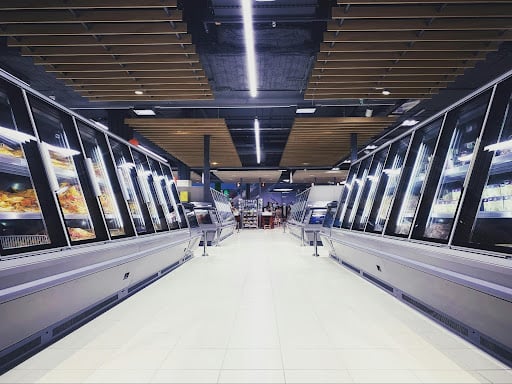
Cold chain management in supermarkets holds immense significance in delivering fresh produce and perishables safely to consumers. While primary challenges include spoiling and maintaining optimal temperatures, today’s supermarket chains’ cold storage sections are crucial battlegrounds where quality is won or lost. As global supply chains become more interconnected, maintaining these logistics through effective cold chain processes becomes imperative for any supermarket’s success. In this article, we will discuss the strategies that can capably manage the complexities of this logistical challenge.
The Foundation: Temperature Control
The journey of cold chain management in supermarkets begins and ends with temperature control. By maintaining a consistent temperature from the warehouse to the aisles, spoilage and bacterial growth are drastically minimized. This goes beyond merely setting a refrigerator’s thermostat. Supermarkets must routinely monitor temperature fluctuations and employ backup systems to combat any unforeseen power failures.
Further, for temperature control systems to truly function optimally, supermarkets can incorporate humidity monitoring as part of their routine checks. By understanding and managing not only temperature but also air moisture content, the freshness of delicate goods such as leafy greens or dairy can be ensured. Advanced sensor technologies can be programmed to alert personnel if desired ranges are breached, facilitating timely interventions.
In busy retail environments, commercial refrigeration infrastructure isn’t limited to just chilled displays and storage units. It’s also crucial for markets to maintain equipment like industrial ice machine solutions, which support various operational needs and ensure product integrity during customer shopping experiences.
Advanced Refrigeration Techniques
To safeguard the quality of cold goods, supermarkets are increasingly investing in advanced refrigeration techniques. These technologies allow for enhanced tracking of food safety standards and quicker responses to potential losses. Whether through more energy-efficient equipment or better-prepared refrigeration staff, these targeted improvements ensure the longevity of products while minimizing energy costs.
The economic benefits of adopting cutting-edge refrigeration systems extend beyond direct cold chain advantages. By reducing energy expenses and curtailing spoilage, supermarkets indirectly enhance their customer loyalty, as shoppers appreciate longer shelf lives and the high quality of available goods. These subtle gains contribute to stronger brand reputations and potential market share expansions.
Training the Workforce
Behind the scenes, a knowledgeable and alert workforce protects the cold chain’s integrity. Comprehensive training programs drive the workforce to uphold the rigorous standards that ensure preserved quality. Staff should be well-versed in the implications of temperature control disruptions, empowering them to act swiftly and decisively.
Risk Management Strategies
No system is immune to occasional failures. Thus, supermarkets must develop robust risk management policies that incorporate predictive analytics to preemptively address potential issues. Employing data-centric approaches allows supermarkets to address breakdowns proactively, averting costly losses and retaining customer trust.
Incorporating historical data analysis enables supermarkets to anticipate potential weak points in their cold chain operations. By identifying patterns in seasonal sales or equipment performance within older facilities, plans can be set in motion to fortify these weaknesses ahead of their predicted failure times, safeguarding stock integrity and preserving corporate reputation.
Transport Logistics: The Unsung Hero
Transportation is often the most vulnerable link in the cold chain. Refrigerated trucks equipped with real-time tracking systems play a key role here. They ensure the seamless movement of goods from storage to the store shelf. The precise coordination of these logistics partners guarantees consistency in product quality and adherence to temperature guidelines, regardless of external climatic conditions.
Additionally, by carefully scheduling deliveries to avoid peak traffic periods, supermarkets can ensure that products spend minimal time in transit, reducing the chance of temperature disruptions. Through strategic route planning and asset allocation, dependency on contingency measures decreases, enhancing cold chain stability and minimizing carbon emissions from excessive engine runs during traffic congestion.
Supporting Sustainability Goals
Cold chain management also intersects with sustainability goals. As concerns about food waste rise, supermarkets are adapting their cold chains to cut down on spoilage. Energy-efficient refrigeration units, solar-powered options, and improved logistical planning help reduce the carbon footprint and align with global sustainability goals.
Looking Ahead: The Future of Cold Chain Supervision
The optimal cold chain management system embraces technological advancements as its primary ally. Sensor technologies, blockchain integration, and artificial intelligence offer considerable promise in further strengthening cold chain practices. These tools enable real-time tracking, reduced energy consumption, and improved accountability, marking the path towards a more reliable and eco-friendly food supply chain.
Beyond technology, collaboration within the industry can drive positive change. Creating channels for sharing lessons learned and best practices helps supermarkets achieve shared goals more swiftly. Industry-wide dialogues can pave the way for setting higher standards and collectively addressing climate-related challenges within global supply chains.
In conclusion, as more innovations develop, supermarkets can adapt these technologies to enhance their services, providing consumers with fresh produce while maintaining an environmentally sustainable system. With every advancement, the promises of more effective storage and transport networks not only satisfy consumers but encourage a fresh perspective on managing perishable goods.


