
The 30 Worst Honda Models Ever Made: A Complete Analysis of the Brand’s Biggest Failures
Honda has established itself as one of the world’s most respected automotive manufacturers, building a reputation for reliability, fuel efficiency, and innovative engineering over more than seven decades.
However, even the most successful automakers produce vehicles that fall short of expectations, whether due to design flaws, mechanical issues, or poor market timing.
This comprehensive analysis examines thirty Honda models that disappointed consumers and critics alike, ranging from hybrid vehicles with battery problems to sports cars that lost their edge in later generations.
The evaluation considers various factors including reliability data, consumer complaints, design shortcomings, and long-term performance issues that affected these particular models.
These problematic vehicles span multiple decades and include both popular mainstream models and niche offerings that failed to meet Honda’s typically high standards.
Understanding which specific model years and generations experienced difficulties helps consumers make informed decisions while illustrating how even reliable manufacturers can stumble during certain periods.
Here are the 30 worst Honda models ever made:
1. Honda Civic Hybrid (2006-2008)
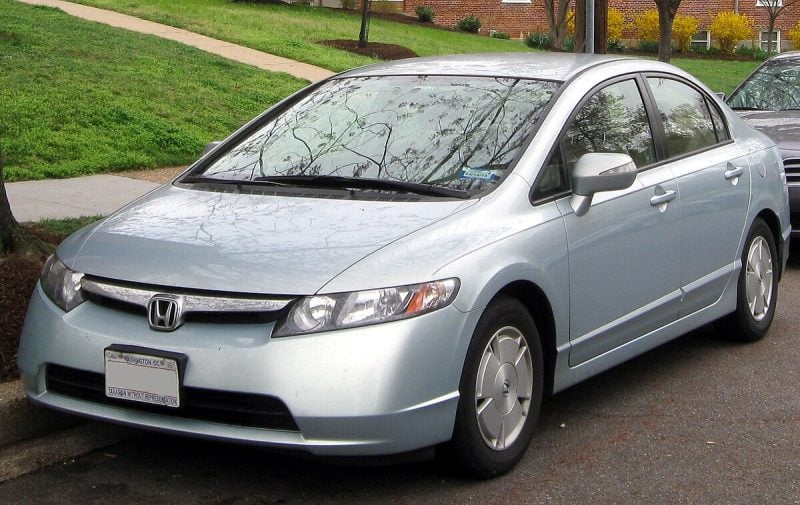
The Honda Civic Hybrid from 2006 to 2008 suffered from critical hybrid system failures. The integrated motor assist (IMA) system proved unreliable in these model years.
Battery pack failures occurred frequently and prematurely. These failures reduced fuel efficiency significantly and increased emissions output.
The 2006 model was particularly problematic. It faced widespread battery pack issues that left owners with expensive repair bills.
The hybrid battery’s early failure contradicted Honda’s reputation for reliability. Many owners experienced these problems well before the expected battery lifespan.
Repair costs often exceeded the vehicle’s value. The IMA system replacement was prohibitively expensive for most owners.
These reliability issues made the 2006-2008 Civic Hybrid one of Honda’s least dependable models. The problems were systemic rather than isolated incidents affecting individual vehicles.
2. 1992 Acura Vigor
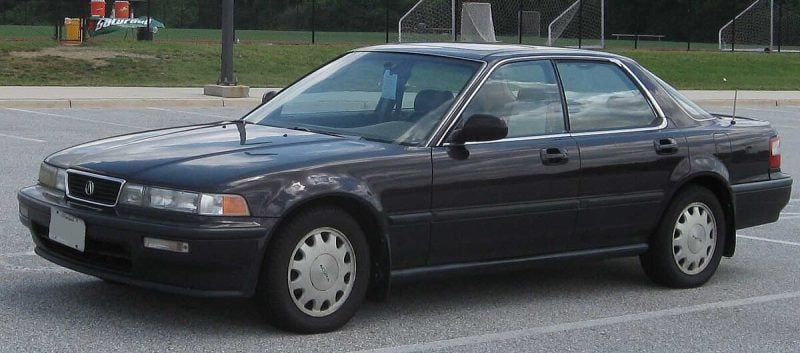
The 1992 Acura Vigor stands out as one of Honda’s most problematic luxury sedans. This premium model was derived from the Honda Accord but featured several design choices that hurt its performance and reliability.
The Vigor used Honda’s only longitudinally mounted five-cylinder engine. This unusual powerplant proved less refined than Honda’s sophisticated VTEC engines, which all featured even numbers of cylinders.
Owners reported significant exhaust system problems as the primary complaint. The car’s short production run from 1992 to 1994 reflected poor market reception and reliability issues.
Honda discontinued the Vigor after just three model years due to weak sales and lack of consumer interest. The vehicle’s reliability problems contributed to its reputation as one of Honda’s least successful luxury offerings.
3. Honda Ridgeline First Generation
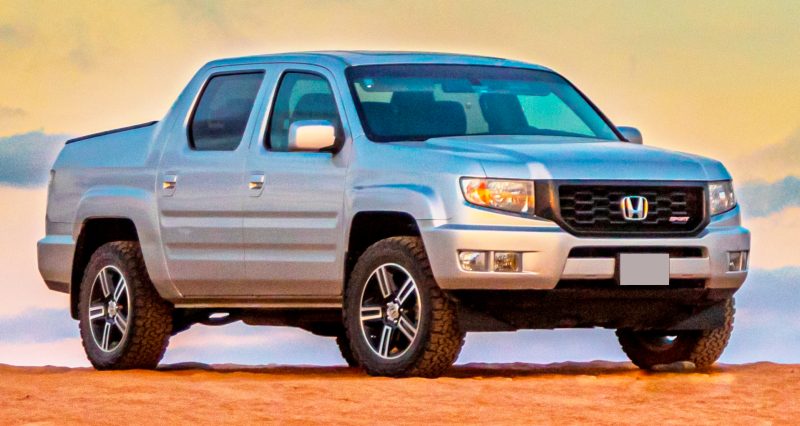
The first-generation Honda Ridgeline launched in 2006 with ambitious goals but delivered mixed results. Built on a modified Pilot SUV platform, it featured a unibody construction that truck purists criticized.
Early model years from 2006 to 2008 experienced significant reliability issues. These problems included transmission failures, electrical system malfunctions, and interior component breakdowns.
The truck’s unconventional design choices alienated traditional pickup buyers. Its car-like ride and handling came at the expense of true truck capability and towing capacity.
Honda’s 3.5-liter V6 engine provided adequate power but lacked the torque characteristics truck owners expected. The five-speed automatic transmission also proved problematic in early years.
Interior build quality fell short of Honda’s usual standards. Dashboard components frequently malfunctioned, and seat materials showed premature wear patterns.
Later years like 2010-2014 showed improvement but couldn’t overcome the generation’s reputation for reliability problems.
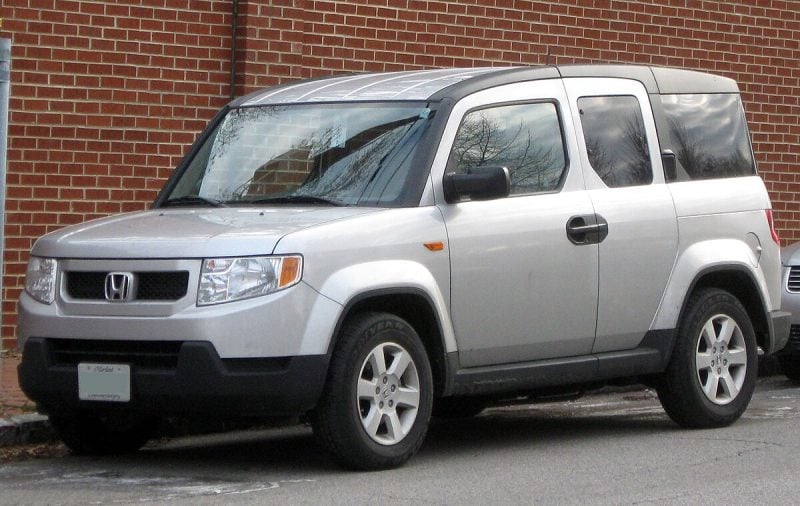
4. Honda Element Early Years
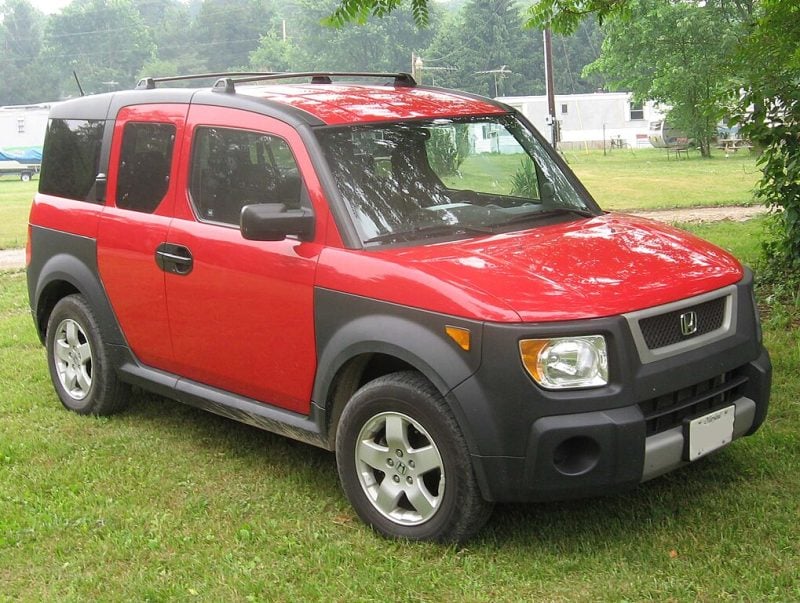
The Honda Element launched in 2003 with significant quality control issues that plagued its first two model years. These early production models suffered from numerous reliability problems that buyers should avoid.
The 2003 model year experienced 217 reported windshield problems alone. Paint chipping became a widespread issue across early production units. Build quality inconsistencies marked these initial attempts at the unique SUV design.
The 2004 model year continued the trend with 100 windshield-related complaints. Honda needed time to refine the manufacturing process for this unconventional vehicle. Early adopters faced frequent repair visits and warranty claims.
Industry data consistently ranks 2003 and 2004 as the worst Element model years. These problems stemmed from Honda’s inexperience with the Element’s distinctive construction methods and materials.
5. Honda CR-V 2007 Model
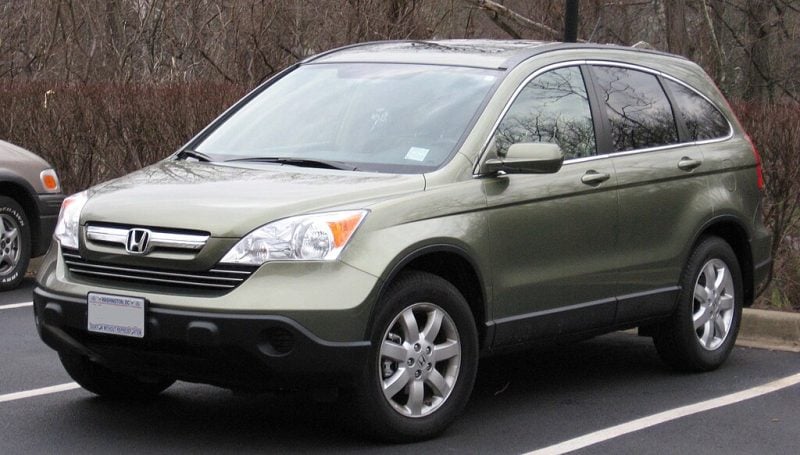
The 2007 Honda CR-V stands out as one of the worst model years for this otherwise reliable crossover. This year marked the beginning of significant problems that would plague the second generation’s final years.
Engine issues were particularly troublesome in the 2007 CR-V. Many owners reported premature engine failures and oil consumption problems that led to costly repairs.
The air conditioning system frequently malfunctioned in this model year. Compressor failures and refrigerant leaks became common complaints among owners.
Transmission problems also surfaced regularly. The automatic transmission experienced rough shifting and premature wear in many vehicles.
The 2007 model year accumulated numerous consumer complaints and technical service bulletins. These issues made it significantly less reliable than Honda’s typical standards for the CR-V lineup.
6. Honda Pilot First Generation
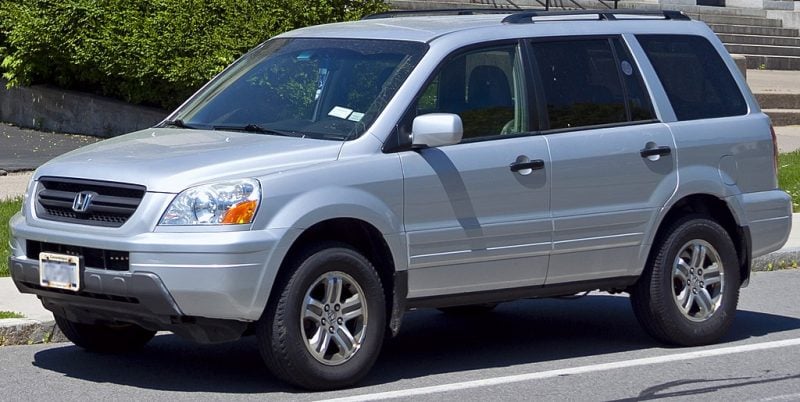
The first-generation Honda Pilot produced from 2003 to 2008 stands out as the least reliable iteration of the model. Honda struggled with multiple design issues during this initial production run.
The 2003 launch year experienced significant problems with airbag systems, powertrain components, and electrical failures. These defects resulted in numerous NHTSA recalls and frustrated owners.
Oil consumption became a persistent issue across early models. Many owners reported excessive oil burning that required frequent top-offs between scheduled maintenance intervals.
Transmission problems plagued several years within this generation. Automatic transmissions showed premature wear and occasional complete failure, leading to expensive repairs.
The 2005 and 2008 model years also demonstrated reliability concerns. Common complaints included power door lock failures, interior electrical malfunctions, and drivetrain irregularities.
Despite introducing a spacious family SUV concept, the first-generation Pilot’s mechanical problems overshadowed its practical design advantages.
7. Honda Accord 2013 Model
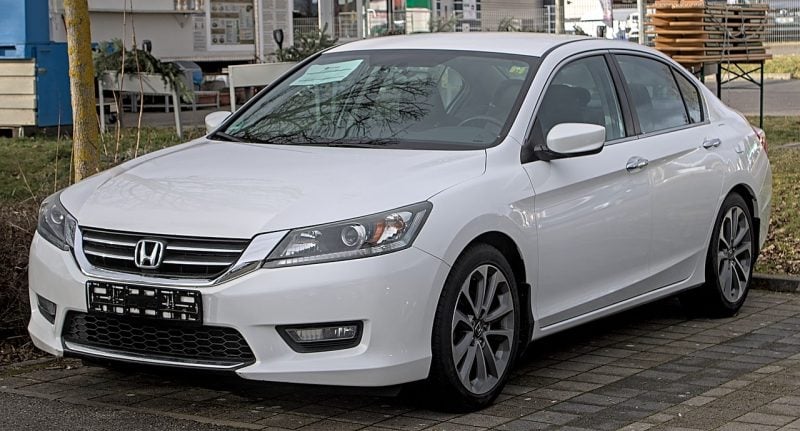
The 2013 Honda Accord marked the beginning of the ninth generation with significant design changes. Honda introduced improved driving dynamics and better fuel economy compared to previous models.
However, early component failures plagued this model year. These reliability issues emerged shortly after purchase, creating frustration for owners who expected Honda’s typical dependability.
The 2013 Accord suffered from premature wear of key mechanical parts. Transmission problems appeared earlier than expected in the vehicle’s lifecycle.
Engine issues also surfaced in some units. These problems typically required expensive repairs that owners did not anticipate from a Honda vehicle.
The timing of these failures was particularly problematic. Many occurred just outside the standard warranty period, leaving owners with substantial repair bills.
Despite the mechanical improvements Honda implemented, the reliability concerns outweighed the benefits for many buyers.
8. Honda Insight First Generation
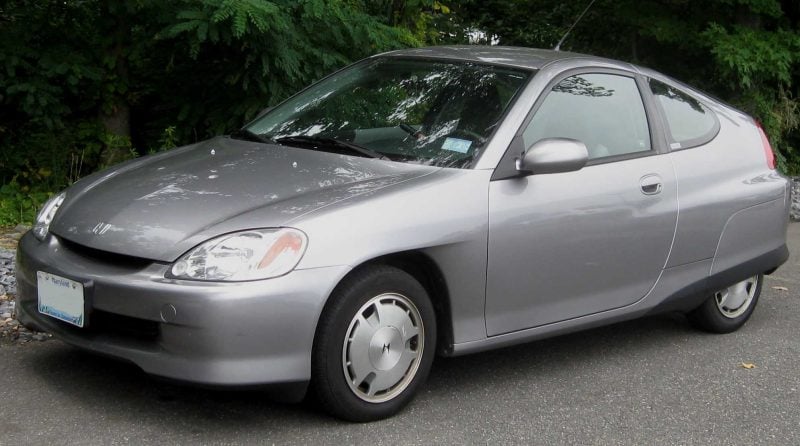
The Honda Insight debuted in 1999 as America’s first hybrid vehicle. Despite its groundbreaking technology, the first-generation model faced significant challenges that limited its success.
The Insight’s two-seat configuration severely restricted its practicality. Most buyers expected more passenger space from a Honda vehicle, making it unsuitable for families or daily commuting needs.
Its unconventional aluminum construction created repair difficulties. Finding qualified technicians and replacement parts proved expensive and time-consuming for owners outside major metropolitan areas.
The vehicle’s polarizing design alienated many potential customers. Its aerodynamic shape prioritized efficiency over mainstream appeal, resulting in poor sales figures throughout its production run.
Battery replacement costs often exceeded the vehicle’s value as it aged. This created a financial burden that made long-term ownership impractical for most drivers, contributing to the model’s market failure.
9. Honda Accord Crosstour
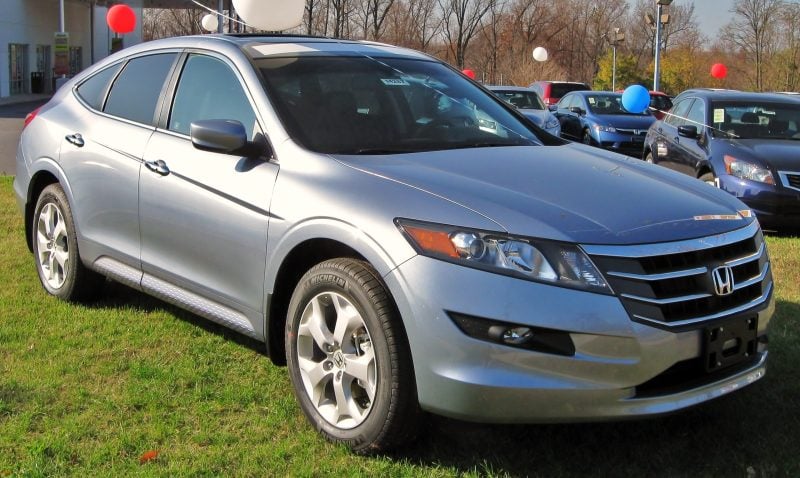
The Honda Accord Crosstour struggled with identity issues from its debut in 2010. Honda positioned it as a crossover wagon hybrid, but the awkward design satisfied neither sedan nor SUV buyers.
The 2013 model year stands out as particularly problematic. Engine failures and overheating issues plagued this year, leading to expensive repairs for owners.
Electrical problems also affected multiple model years. These issues resulted in numerous recalls and consumer complaints throughout the vehicle’s production run.
The Crosstour’s unusual styling alienated potential buyers. Its high rear roofline and sloped design created an ungainly appearance that many found unappealing.
Honda discontinued the Crosstour in 2015 after just six years of production. Poor sales reflected consumer rejection of the vehicle’s confused positioning in the market.
10. Honda Fit Early Models
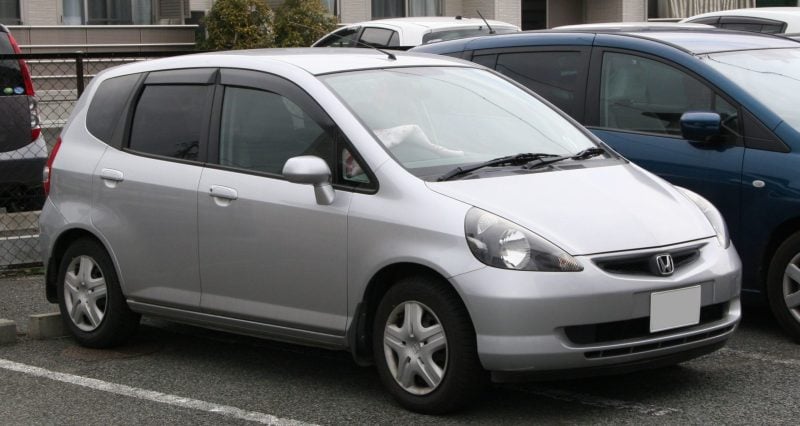
The first-generation Honda Fit arrived in the U.S. market in 2007 with high expectations. However, these early models quickly developed a reputation for reliability issues that tarnished Honda’s typically strong track record.
The 2007 model year suffered from numerous complaints regarding transmission problems and premature brake wear. Many owners reported jerky shifting and complete transmission failures within the first 100,000 miles.
Engine troubles plagued several early Fit models between 2007 and 2009. Common issues included excessive oil consumption, timing chain problems, and cooling system failures that led to costly repairs.
The 2008 and 2009 model years continued experiencing similar powertrain issues. These problems were particularly frustrating for buyers who expected Honda’s legendary reliability from their compact car purchase.
11. Honda Civic 2001-2005
The 2001 Honda Civic stands out as one of the most problematic years in the model’s history. Transmission failures plagued this year extensively, with many owners reporting complete transmission breakdown.
Repair costs for transmission issues often exceeded $2,000. The transmission would slip, fail to engage properly, or stop working entirely without warning.
The 2003-2005 Civic models introduced hybrid variants that experienced significant battery problems. These battery failures led to costly replacements and reduced reliability.
The 2001 model year received numerous recalls due to various mechanical issues. Multiple components beyond the transmission caused frequent breakdowns and expensive repairs.
Honda’s typically strong reputation for reliability took a hit during this period. These model years consistently rank among the worst Civic generations due to their mechanical problems and high maintenance costs.
12. Honda Jazz Early Models
The Honda Jazz faced significant reliability issues in its earliest production years. The 2002 model year proved particularly problematic for Honda’s compact car lineup.
Engine misfires plagued the initial Jazz models. These failures occurred frequently enough to impact daily driving reliability and owner satisfaction.
The misfiring issues led to reduced fuel efficiency and poor overall performance. Left unaddressed, these engine problems could result in more serious mechanical damage over time.
Honda’s early Jazz models also suffered from premature rusting tendencies. This corrosion affected the vehicle’s structural integrity and resale value significantly.
The compact car’s sunroof-equipped variants created additional headroom constraints. Drivers and passengers taller than 190 centimeters found the interior space inadequate for comfortable use.
These early production challenges damaged the Jazz’s reputation in key markets. Honda addressed many of these concerns in subsequent model years through engineering improvements and design changes.
13. Honda Prelude Late 90s Models
The Honda Prelude’s late 1990s models marked a concerning decline for this once-celebrated sports coupe. The 1996 and 1998 model years particularly stand out as problematic entries in the Prelude lineup.
Engine issues became increasingly common during this period. Owners frequently reported reliability problems that contrasted sharply with Honda’s reputation for dependability.
The 1998 model year proved especially troublesome for consumers. Multiple mechanical failures plagued this generation, leading to costly repairs and frustrated ownership experiences.
Despite Honda’s attempt to revitalize the model with the fifth generation introduced in late 1996, quality control issues persisted. The late 90s Preludes failed to maintain the standards set by earlier generations.
These reliability concerns contributed to declining sales and consumer confidence in the Prelude brand during its final years.
14. Honda Crosstour 2010-2015
The Honda Crosstour struggled to find its purpose during its brief six-year production run. Originally marketed as the Accord Crosstour, this wagon-crossover hybrid confused buyers with its awkward positioning.
The sloped rear roofline created significant problems. It compromised cargo space and severely limited rear visibility, defeating the practical benefits most crossover buyers expected.
The 2010 model year experienced numerous reliability concerns. Engine problems and interior quality issues plagued early adopters, creating a poor first impression for the nameplate.
The 2013 model year proved particularly troublesome. Engine overheating, electrical failures, and costly repairs became common complaints among owners during this period.
Despite being mechanically related to the reliable Accord, the Crosstour’s confused styling and limited versatility kept sales low. Honda discontinued the model after 2015 without any replacement, acknowledging the experiment’s failure to resonate with consumers.
15. Honda Odyssey 2005-2007
The Honda Odyssey faced significant quality control issues during the 2005-2007 model years. These models experienced widespread transmission failures that often required complete replacement.
The 2005 model year was particularly problematic. It suffered from paint defects, steering problems, and air conditioning failures alongside the transmission issues.
Engine problems plagued these generations as well. Many owners reported premature engine wear and oil consumption issues that led to costly repairs.
The sliding door mechanisms frequently malfunctioned during this period. Doors would stick, fail to open properly, or become completely inoperative.
Electrical systems in these models proved unreliable. Dashboard components failed regularly, and various warning lights would illuminate without clear cause.
These reliability problems made the 2005-2007 Odyssey models expensive to maintain. Repair costs often exceeded the vehicle’s value, particularly for transmission and engine work.
16. Honda S2000 Later Models
The Honda S2000’s later production years brought disappointing changes that diminished the original’s appeal. Honda made significant adjustments during the car’s 10-year run, creating three distinct variants.
The AP2 generation introduced a larger 2.2-liter engine to replace the beloved high-revving 2.0-liter unit. This change reduced the redline from 9,000 to 8,000 RPM, eliminating much of the car’s character.
Drive-by-wire throttle replaced the direct mechanical connection, creating a less engaging driving experience. The electronic system introduced lag and reduced the immediate response that enthusiasts valued.
Suspension tuning became more conservative in later models. Honda softened the setup to appeal to a broader market, but this compromised the razor-sharp handling that defined the S2000.
Early model S2000s from 2000-2003 have seen value declines due to higher mileage and age-related wear. The later modifications failed to capture the pure sports car essence of the original design.
17. Honda CR-Z
The Honda CR-Z failed to live up to the legacy of its predecessor, the beloved CRX. This hybrid sports car suffered from significant reliability issues that plagued owners throughout its production run.
The worst model years were 2011, 2012, and 2013. These early models experienced frequent hybrid powertrain problems and battery system failures that negated the vehicle’s environmental benefits.
Owners reported poor air conditioning systems that would rapidly switch from cold to warm when the car stopped. This issue became particularly problematic during traffic jams on hot days.
The hybrid battery failures were costly to repair and occurred at relatively low mileages. Many drivers also experienced reduced fuel efficiency over time, which defeated the purpose of owning a hybrid vehicle.
Later model years from 2014-2016 showed improvements, but the CR-Z’s reputation for unreliability was already established in the marketplace.
18. Honda FR-V
The Honda FR-V represented Honda’s attempt at creating a compact MPV with a unique 3+3 seating arrangement. This European-market vehicle featured six individual seats arranged in two rows of three.
The FR-V’s unusual seating configuration created practical problems. The middle seat in the front row was cramped and awkward to access. Many owners found the center position uncomfortable for adult passengers.
Build quality issues plagued the model throughout its production run from 2004 to 2009. Electrical problems were common, particularly with the dashboard electronics and air conditioning system.
The vehicle’s handling suffered due to its tall, narrow design. The FR-V felt unstable in crosswinds and exhibited excessive body roll during cornering.
Interior space was disappointing despite the six-seat layout. The rear seats offered limited legroom, making the configuration more of a novelty than a practical solution for families.
Honda discontinued the FR-V without a direct replacement, acknowledging the concept’s market failure.
19. Honda Accord 2003-2007
The seventh-generation Honda Accord experienced significant reliability problems during its early production years. The 2003-2005 models suffered from transmission failures that required expensive repairs or complete replacements.
Engine issues plagued these model years, particularly with the V6 variants. Carbon buildup and premature wear affected engine performance and longevity.
The 2003 and 2004 models had the most documented problems among this generation. Owners reported frequent transmission slipping and complete failure, often occurring before 100,000 miles.
Catalytic converter problems became common across these model years. The converters failed prematurely, leading to costly replacements and emissions test failures.
While the 2006 and 2007 models showed improvement, the earlier years in this generation earned their reputation as problematic. The transmission and engine issues made these particular Accord years less reliable than Honda’s typical standards.
20. Honda Element 2003-2006
The Honda Element’s early production years suffered from significant reliability problems that plagued owners. These models experienced serious airbag malfunctions that posed safety risks.
Transmission failures were common across the 2003-2006 model range. Many owners reported complete transmission breakdowns requiring expensive replacements.
Electrical system problems created ongoing headaches for drivers. These issues affected various components including lights, power accessories, and engine management systems.
The 2003 and 2004 model years had the most reported problems. Honda needed time to refine the Element’s design and manufacturing processes.
These early Element models required frequent repairs that exceeded typical Honda reliability standards. The combination of transmission, electrical, and safety issues made these years problematic for owners seeking dependable transportation.
21. Honda Accord 2008-2012
The eighth-generation Honda Accord marked a low point in the model’s otherwise solid reputation. The 2008 model year stands out as particularly problematic.
This generation accumulated over 1,700 NHTSA complaints for the 2008 model alone. Nine recalls were issued for various safety and mechanical concerns.
Common issues included engine oil leaks that could lead to serious mechanical damage. Transmission problems plagued many owners with rough shifting and premature failure.
Paint defects became widespread complaints among owners. The clear coat would peel and fade prematurely, affecting the vehicle’s appearance and resale value.
Interior and exterior accessories frequently malfunctioned. Window regulators, door handles, and dashboard components showed higher than normal failure rates.
The 2009 and 2010 model years continued experiencing similar reliability issues. These problems were uncharacteristic for Honda’s typically dependable Accord lineup.
22. Honda City Early Models
The first-generation Honda City launched in 1981 faced significant reliability concerns. These early models suffered from poor build quality and frequent mechanical failures.
Engine problems plagued the initial City models. The carburetor systems were unreliable and required constant adjustments. Many owners experienced stalling issues and inconsistent performance.
Rust became a major concern for early City models. The body panels corroded quickly in humid climates. Paint quality was substandard compared to Honda’s later offerings.
Interior components deteriorated rapidly in these early versions. Dashboard plastics cracked easily under heat exposure. Seat fabrics wore through prematurely with regular use.
Electrical systems in first-generation City models were problematic. Wiring harnesses failed frequently, causing various component malfunctions. The charging system often required replacement within the first few years of ownership.
Honda addressed most of these issues in subsequent generations, making the City a more reliable compact sedan.
23. Honda CR-V 2002-2006
The second-generation Honda CR-V marked a significant departure from the reliable first generation. The 2002 model year introduced numerous quality control issues that plagued early production.
Engine problems became widespread concerns. Owners reported premature engine failures and oil consumption issues. The 2.4-liter engine experienced timing chain problems in some units.
Electrical system malfunctions affected multiple components. Dashboard warning lights appeared frequently without clear causes. The electrical issues sometimes led to complete system failures.
Airbag problems created safety concerns during this period. Several recalls addressed faulty airbag sensors and deployment mechanisms. These safety-related defects raised reliability questions.
Transmission issues emerged in certain model years. Some owners experienced rough shifting and premature transmission wear. The automatic transmission required costly repairs in many cases.
HVAC system failures affected cabin comfort. Air conditioning components failed earlier than expected. These problems added to the growing list of owner complaints during this generation.
24. Honda Civic Si EP3
The Honda Civic Si EP3 generation represents a low point in the model’s history. This hatchback variant ran from 2002 to 2005 in North America.
Honda made significant cost-cutting decisions during this period. The EP3 abandoned the traditional double wishbone suspension setup that made previous Si models exceptional handlers.
Instead, Honda switched to a MacPherson strut front suspension system. This change compromised the driving dynamics that enthusiasts expected from the Si badge.
The EP3 also suffered from reduced power output compared to its predecessor. Many owners complained about the car’s uninspiring performance and lackluster handling characteristics.
Build quality issues plagued this generation. Interior materials felt cheap and the overall driving experience disappointed longtime Civic Si fans who expected better from Honda’s sport-focused variant.
25. Honda Jazz 2002-2008
The second-generation Honda Jazz faced significant reliability challenges during its production run. Early 2002 models experienced frequent engine misfires that affected performance and fuel efficiency.
These engine issues could lead to costly repairs if left unaddressed. The misfiring problem became a common complaint among owners of early Jazz models.
The 2002-2008 Jazz also struggled with excessive noise levels at highway speeds. This made longer drives uncomfortable for passengers and drivers alike.
Basic trim levels lacked essential features that competitors offered as standard equipment. The 1.2-liter engine option provided sluggish acceleration and underwhelming performance.
Despite Honda’s reputation for reliability, this Jazz generation represented a notable departure from the brand’s typical quality standards. Many of these issues were eventually addressed in subsequent redesigns.
26. Honda Ridgeline 2017-2020
The second-generation Honda Ridgeline launched in 2017 with high expectations but quickly disappointed owners and critics alike. This generation marked a significant redesign from the original Ridgeline series.
The 2017 model year proved particularly problematic. It suffered from transmission issues that left drivers stranded and frustrated with repair costs.
Engine problems plagued multiple years in this generation. Owners reported unexpected breakdowns and poor reliability compared to Honda’s usual standards.
The navigation system consistently malfunctioned across these model years. Drivers experienced frequent freezing and inaccurate directions during operation.
Safety concerns emerged as another major issue. The NHTSA recorded multiple complaints about various safety-related problems throughout this generation.
Consumer feedback consistently ranked the 2017-2020 Ridgeline among Honda’s worst performers. Industry reviews reflected similar disappointment with build quality and long-term reliability.
27. Honda Odyssey 1999-2004
The second-generation Honda Odyssey ranks among Honda’s most problematic models. This generation received 950 owner complaints and ranks 49th out of 58 Honda generations for reliability.
Transmission failures plagued these models consistently. Many owners experienced complete transmission breakdowns within 100,000 miles.
The 1999-2001 models faced additional engine fire risks. These fires typically occurred due to power steering fluid leaks onto hot engine components.
Body integrity issues also affected this generation. Sliding doors frequently malfunctioned and required expensive repairs.
The 2002 and 2003 model years received the most complaints from owners. These years experienced the highest rates of transmission and electrical problems.
Honda eventually extended warranties on some components due to widespread issues. The company acknowledged transmission defects and offered repair programs for affected vehicles.
28. Honda Pilot 2003-2008
The first-generation Honda Pilot experienced significant reliability problems during its initial production years. The 2003 model faced numerous recalls related to airbag defects and electrical system failures.
Transmission issues plagued multiple model years within this generation. These failures often required expensive repairs or complete transmission replacements.
The 2003-2005 models suffered from powertrain complications that led to frequent breakdowns. Electrical malfunctions also created safety concerns for drivers and passengers.
The 2008 model year continued to exhibit problems despite Honda’s attempts at improvements. Suspension and brake components wore out prematurely across this generation.
NHTSA received numerous complaints about these early Pilot models. The combination of major mechanical failures and safety-related defects made this generation particularly problematic for Honda’s reputation.
29. Honda Insight 2010-2014
The second-generation Honda Insight marked a significant departure from its predecessor but brought substantial reliability issues. Honda aimed for mainstream appeal with this redesigned hybrid sedan.
The 2010 model year proved particularly problematic as the first year of the new generation. Multiple systems experienced failures that would plague the entire generation.
Battery problems dominated owner complaints during these years. The Integrated Motor Assist (IMA) battery frequently failed prematurely, requiring expensive replacements well before expected lifespans.
The hybrid system itself underperformed compared to competitor vehicles. Many owners reported poor battery life and inconsistent hybrid operation throughout daily driving.
Transmission issues also affected these model years. The continuously variable transmission experienced reliability problems that contributed to overall poor ownership experiences.
Uncomfortable seating became another widespread complaint. Many owners reported that the seats caused significant discomfort during both short and long drives.
30. Honda Accord 1998-2002
The sixth-generation Honda Accord suffered from significant reliability issues that damaged Honda’s reputation for dependability. These models experienced widespread transmission problems that affected thousands of owners.
Automatic transmission failures became the most serious concern. The transmissions would slip, shift harshly, or fail completely between 60,000 and 100,000 miles.
Engine problems also plagued these years. Owners reported frequent stalling and performance issues that required expensive repairs.
Airbag malfunctions created additional safety concerns. The airbag systems would fail to deploy properly or trigger warning lights on the dashboard.
These problems typically appeared early in ownership, forcing drivers to pay substantial repair costs. The transmission replacements alone often cost several thousand dollars.
The 1998-2002 Accord models stand out as particularly problematic years in Honda’s otherwise reliable history.
Common Factors Leading to Poor Honda Model Performance
Honda’s worst-performing models typically share specific technical deficiencies and production challenges. Battery system failures, transmission problems, and inadequate quality control processes have consistently plagued the manufacturer’s most problematic vehicles.
Engineering and Design Flaws
Hybrid System Deficiencies represent Honda’s most significant engineering challenges. The 2006-2008 Civic Hybrid experienced battery failures as early as 60,000 miles. The 2010-2013 Insight models suffered from underperforming hybrid systems that failed to deliver promised fuel efficiency.
Transmission Design Problems plagued multiple Honda models across different years. CVT (Continuously Variable Transmission) issues became particularly problematic in hybrid variants. These transmission failures often occurred within the first 100,000 miles of ownership.
Premature Component Wear affected critical systems in Honda’s worst models. Battery packs required replacement far sooner than manufacturer warranties suggested. Electrical systems in hybrid models showed inconsistent performance patterns that engineers failed to address during initial development phases.
Quality Control and Manufacturing Issues
Inconsistent Build Quality emerged during specific production periods when Honda expanded manufacturing. Assembly line variations led to different reliability outcomes for identical model years. Some vehicles received components that met specifications while others did not.
Material Selection Problems contributed to long-term reliability issues. Honda occasionally chose cost-effective materials that degraded faster than expected. Component suppliers sometimes delivered parts that barely met minimum quality standards.
Production Timeline Pressures forced Honda to release models before completing thorough testing phases. Market competition drove accelerated launch schedules that bypassed traditional quality assurance protocols.
Market Feedback and Customer Complaints
Early Battery Replacement Costs generated the most frequent customer complaints for Honda’s hybrid models. Owners faced unexpected expenses ranging from $3,000 to $4,000 for battery pack replacements. These costs often exceeded the vehicle’s remaining value.
Poor Resale Values reflected market awareness of specific model problems. The 2006-2008 Civic Hybrid experienced sharp depreciation due to known reliability issues. Dealers struggled to move these vehicles even at significantly reduced prices.
NHTSA Complaint Data revealed patterns of problems across Honda’s worst-performing models. Consumer reports documented recurring issues that Honda addressed only in subsequent redesigns. Investigation records showed multiple safety concerns for specific model years.
Long-Term Impact on Honda’s Reputation
Honda’s problematic models created lasting effects on consumer trust and brand positioning. The company transformed these setbacks into opportunities for improvement and innovation.
Brand Perception Changes
The Honda Element’s divisive styling damaged Honda’s reputation for practical design. Consumer surveys showed decreased confidence in Honda’s aesthetic choices following the Element’s 2003 debut.
The 2006-2008 Civic Hybrid’s early battery failures particularly hurt Honda’s hybrid credibility. Battery replacements at 60,000 miles contradicted Honda’s reliability messaging.
Key reputation impacts included:
- Decreased resale values across affected model lines
- Consumer skepticism toward new Honda designs
- Lost market share in hybrid segments
- Increased warranty claims affecting profitability
The 2012-2016 CR-V’s excessive oil consumption issues forced Honda to extend warranties. This move acknowledged quality control failures but helped maintain customer loyalty.
Lessons Learned for Future Models
Honda implemented stricter quality control measures after these failures. The company increased pre-production testing periods and expanded real-world driving simulations.
Design philosophy shifted toward evolutionary rather than revolutionary changes. Honda prioritized function over bold styling statements in subsequent releases.
Specific improvements included:
- Enhanced hybrid battery testing protocols
- Improved engine oil consumption standards
- More conservative exterior design approaches
- Extended warranty coverage for critical components
The 2013-2017 Accord benefited from these lessons, earning improved reliability ratings. Honda’s systematic approach to addressing past failures strengthened future model development processes.


