How to Choose The Best Refurbished Coffee Machines for Small Kitchens
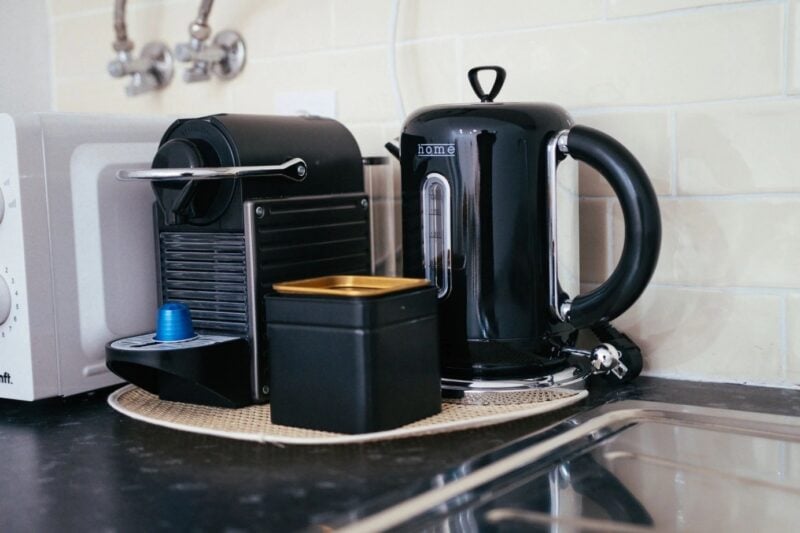
Small kitchens rarely have room for bulky appliances, which makes compact coffee machines especially appealing. Buying refurbished opens up options that might otherwise sit outside a tight budget. The challenge lies in telling a properly restored machine apart from one simply resold as-is. A few clear signals make that distinction easier to spot before committing to a purchase.
What refurbished actually means
A genuinely refurbished coffee machine has been inspected, cleaned internally, and had worn parts replaced before resale. This differs from a machine simply wiped down and repackaged, which may carry the same wear that caused its original return. Buying directly through a manufacturer’s certified program offers a refurbished coffee machine with a documented process behind it, rather than an unverified listing from an unknown reseller.
Certified programs typically test each unit for brewing pressure, water flow, and heating consistency before it goes back on sale. This step matters because a machine that looks pristine on the outside can still have internal issues that only show up after regular use begins.
Why size matters more in tight kitchens
Compact models designed for small counters often get overlooked in favor of larger units with more visible features. A machine that fits comfortably under upper cabinets avoids the daily hassle of moving it to make room for other tasks. Measuring the available counter space before browsing narrows the options considerably.
Width and depth matter more than height in most small kitchens, since counters are usually the tightest constraint. A machine only a few centimeters narrower can make the difference between a permanent spot on the counter and one that gets stored away after each use, which quietly discourages daily use.
Checking for a real warranty
A refurbished unit without any warranty coverage carries meaningfully more risk than one backed by even 90 days of protection. Legitimate refurbishing programs typically offer some warranty precisely because the machine has been tested and verified to work properly, which gives buyers a clear signal about the seller’s confidence in the product.
Reading the fine print on coverage
Warranty terms sometimes exclude specific parts, like the water tank or capsule mechanism, which are worth confirming before purchase. A seller unwilling to clarify these details usually signals a less reliable refurbishing process behind the listing.
Comparing manual and automatic models
Automatic machines handle brewing with a single button but come with more internal components that can wear over time. Manual models tend to have fewer parts prone to failure, which can make them a steadier refurbished choice for kitchens where reliability matters most. The trade-off usually comes down to convenience versus long-term simplicity, and small kitchens often benefit more from the latter.
Spotting signs of poor refurbishing
Visible scratches on the housing aren’t necessarily a problem, but leftover coffee residue in hidden compartments suggests a rushed cleaning process. Listings without clear photos of the internal chamber deserve extra scrutiny before purchase, since sellers confident in their refurbishing work usually showcase it openly.
Getting the most from a refurbished machine
Running a descaling cycle immediately after unboxing helps clear any residue missed during refurbishing, even from a reputable seller. Registering the warranty right away also ensures coverage starts without any gaps, in case an issue surfaces during the first few weeks of use. Keeping the original documentation on hand also makes any future claim faster to process.