
Is Positano Worth Visiting for a 3-Day Trip in 2026?
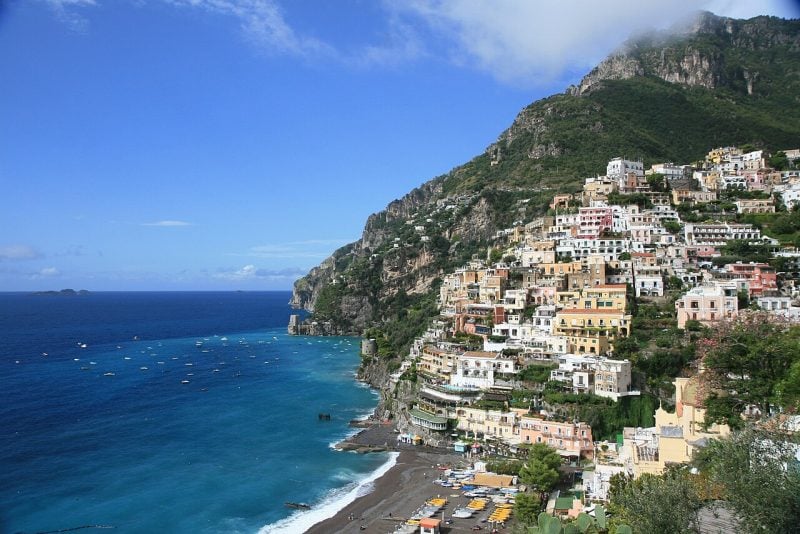
Positano sits vertically along the Amalfi Coast with pastel buildings cascading down cliffsides to the Tyrrhenian Sea. The town draws travelers with its dramatic scenery, pebble beaches, and narrow streets filled with boutiques and restaurants. The question is whether this destination justifies the cost and effort for a short visit.
Yes, Positano is worth visiting for a 3-day trip in 2026 if you want to experience iconic coastal beauty and immerse yourself in a unique Mediterranean atmosphere. Three days gives you enough time to explore the town itself, enjoy the local food scene, and take a day trip to nearby destinations like Amalfi, Ravello, or Capri. The compact nature of Positano means you can see the main attractions without rushing while still having time to relax and soak in the scenery.
This guide will help you plan your 3-day visit with practical information about what to do, where to stay, and how to navigate the challenges that come with visiting one of Italy’s most photographed towns. You’ll learn about the best activities, dining options, and whether the steep stairs and crowds are manageable trade-offs for the experience.
Is Positano Worth Visiting in 2026?
Positano remains a compelling destination in 2026, though visitors should prepare for crowds and premium prices. The town’s dramatic cliffside setting and authentic Italian charm continue to attract travelers, but understanding current conditions helps set realistic expectations.
Current Travel Trends
Summer 2026 brings peak tourist numbers to Positano, with accommodation costs reaching their annual highs between June and August. Ferry services operate at full capacity during these months, and popular restaurants require advance reservations.
Day-trippers from Sorrento and Naples contribute to midday congestion along the main beaches and shopping streets. Early mornings before 10 AM and evenings after 6 PM offer quieter experiences. Spring (April-May) and fall (September-October) provide moderate weather with 30-40% fewer visitors compared to summer peaks.
The town maintains its boutique character with limited accommodation options, which keeps prices elevated year-round. Budget-conscious travelers often base themselves in nearby Praiano or Sorrento, visiting Positano for day trips.
Unique Aspects of Positano
The vertical layout creates the town’s signature appearance, with pastel-colored buildings cascading down to Spiaggia Grande. This same topography means navigating 400+ steps between the upper and lower sections, which challenges visitors with mobility concerns.
Positano lacks major museums or historical monuments. The appeal centers on scenic views, beach clubs, and boutique shopping. Local ceramics, handmade sandals, and limoncello represent typical purchases.
The town serves as an ideal base for exploring the Amalfi Coast. Water taxis provide direct access to Capri, Amalfi, and secluded beaches. The Path of the Gods hiking trail starts nearby, offering panoramic coastal views.
Recent Changes and Events
Tourism infrastructure expanded in 2025-2026 with improved bus connections to Praiano and Amalfi. The SITA bus service added more frequent departures during peak season to reduce overcrowding.
Beach clubs implemented reservation systems to manage capacity at Spiaggia Grande and Fornillo Beach. This reduces wait times but requires booking 1-2 days ahead during summer months.
Environmental initiatives introduced in 2025 restrict single-use plastics and promote sustainable tourism practices. Several hotels upgraded facilities while maintaining the town’s traditional aesthetic standards.
How to Plan a 3-Day Trip to Positano
Planning a three-day visit to Positano requires attention to timing, logistics, and daily activities to maximize your experience along the Amalfi Coast. Your success depends on booking accommodations early, understanding transportation options, and structuring your days to balance relaxation with exploration.
Optimal Itinerary Overview
Your first day should focus on settling into Positano and exploring the town itself. Walk through the narrow streets, visit the Church of Santa Maria Assunta, and browse the local boutiques selling handmade leather sandals and linen clothing. End your day with dinner at a cliffside restaurant overlooking the Mediterranean.
Day two works best as a beach day combined with coastal exploration. Spend your morning at Spiaggia Grande or the quieter Fornillo Beach. You can rent umbrellas and chairs at both locations. In the afternoon, consider taking a boat tour along the coast or visiting nearby Amalfi town, which sits about 30 minutes away by ferry.
Your third day offers flexibility for activities you missed. Popular options include hiking the Path of the Gods trail, which starts from nearby Bomerano, or taking a day trip to Capri by ferry. You could also spend this day at a beach club like Da Adolfo, accessible by boat, where you can enjoy fresh seafood and swimming.
Reserve restaurants in advance, especially during peak season. Book any boat tours or guided experiences at least a week before your arrival.
Best Time to Visit
May through June and September through October provide the ideal conditions for visiting Positano. Temperatures during these months range from 68°F to 77°F, and you’ll encounter fewer crowds than in July and August. The water remains warm enough for swimming through early October.
July and August bring peak season challenges. Hotels charge their highest rates, beaches become crowded, and you’ll need reservations for most restaurants. Temperatures often exceed 85°F with high humidity.
Winter months from November through March see many hotels and restaurants close entirely. Ferry services run on limited schedules or stop operating. However, if you visit during this period, you’ll find significantly lower prices and nearly empty streets.
Spring offers wildflowers and pleasant weather but can include occasional rain. Fall provides optimal swimming conditions with water temperatures at their annual peak.
Getting There and Transportation
You’ll fly into Naples International Airport, located 40 miles from Positano. From there, you have three main options: private transfer, bus, or ferry combination. Private transfers cost €100-150 and take about 90 minutes along the winding coastal road.
The most economical option involves taking the Curreri bus from Naples Airport to Sorrento (€10, 75 minutes), then catching a SITA bus to Positano (€2.50, 50 minutes). Buses run hourly but can be crowded during summer months.
From April through October, you can take a Circumvesuviana train from Naples to Sorrento, then board a ferry to Positano. This scenic route takes longer but offers stunning coastal views.
Within Positano, you’ll walk everywhere due to the town’s vertical layout and limited vehicle access. The town has no flat areas, so prepare for steep staircases and inclined paths. Internal orange shuttle buses run between the upper and lower parts of town for €1.30 per ride.
Budgeting for Your Trip
Accommodation represents your largest expense, with mid-range hotels costing €200-400 per night during peak season. Budget hotels start around €120 per night, while luxury properties exceed €600 per night. Book at least three months in advance for better rates.
Meals vary significantly by venue. A casual lunch costs €15-25 per person, while dinner at a nice restaurant runs €40-70 per person without wine. Beach clubs charge €20-40 for umbrella and chair rentals. A glass of wine typically costs €8-12, and an Aperol spritz runs €10-15.
Daily Budget Estimates:
Transportation costs add up quickly. Ferry tickets to Capri cost €20-25 each way per person. Boat tours range from €60 for group tours to €200+ for private charters. The Path of the Gods hike is free, but you’ll pay €10 for the bus to the trailhead.
Account for cash needs since smaller establishments don’t always accept cards. ATMs are available but charge withdrawal fees of €3-5.
Top Attractions and Activities in Positano
Positano’s vertical landscape offers distinct experiences across its beachfront, historic sites, and clifftop paths. The town’s compact size means you can reach most attractions on foot, though you’ll navigate plenty of steps along the way.
Exploring the Beachfront
Spiaggia Grande serves as Positano’s main beach and social hub. This 300-meter stretch of gray pebbles gets crowded during peak season, but you’ll find both free sections and private beach clubs with umbrella and lounger rentals. The beach provides direct access to restaurants and shops within minutes.
Marina Grande beach sits adjacent to Spiaggia Grande and offers a quieter alternative with fewer tourists. You can rent kayaks or paddleboards here to explore nearby coves. The beach also serves as the departure point for boat tours to Capri and other Amalfi Coast destinations.
Fornillo Beach lies a 10-minute walk west of Spiaggia Grande along a coastal path. This smaller beach attracts fewer visitors and provides a more relaxed atmosphere. The surrounding cliffs create a sheltered setting with clearer water conditions than the main beach.
Famous Landmarks and Sites
The Church of Santa Maria Assunta stands in the center of town with its distinctive majolica-tiled dome visible from the water. Inside, you’ll find a 13th-century Byzantine icon of the Black Madonna, which remains an important pilgrimage site. The church’s bell tower serves as a recognizable landmark throughout Positano.
Positano’s harbor area showcases colorful fishing boats and luxury yachts side by side. The waterfront promenade connects to local shops selling handmade sandals and linen clothing. This area transforms at sunset when visitors gather to watch the sky change colors over the Mediterranean.
Scenic Coastal Walks
The Path of the Gods (Sentiero degli Dei) ranks among the Amalfi Coast’s most recognized hiking trails. This 7.8-kilometer route connects Positano to Nocelle and Praiano, offering views of the coastline from 500 meters above sea level. You’ll need 3-4 hours and proper footwear to complete the trail.
The walk from Positano to Fornillo Beach follows a paved coastal path with viewpoints overlooking the water. This 15-minute route requires minimal effort and works well for families. You’ll pass Torre Trasita, a 16th-century watchtower that once protected against pirate raids.
Culinary Experiences in Positano
Positano’s food scene rivals its famous cliffside views, with fresh seafood, local produce, and traditional Italian preparations defining the coastal cuisine. The town offers everything from casual beachside trattorias to upscale dining rooms with Mediterranean views.
Local Cuisine Highlights
The seafood in Positano comes directly from the Tyrrhenian Sea, with catches arriving daily at the Marina Grande. You’ll find dishes featuring anchovies, mussels, clams, and fresh fish prepared simply with olive oil, lemon, and local herbs.
Scialatielli ai frutti di mare is the signature pasta dish, made with thick handmade noodles tossed with mixed seafood. The pasta’s width helps it hold the sauce better than standard spaghetti. Another local specialty is totani e patate, a combination of squid and potatoes cooked together until tender.
Lemons from nearby terraced groves appear in multiple forms. The delizia al limone dessert features sponge cake soaked in limoncello and filled with lemon cream. You can also try lemon granita as a refreshing afternoon treat or finish meals with a shot of chilled limoncello.
Recommended Restaurants
Beachfront restaurants along Spiaggia Grande serve lunch with your feet practically in the sand. These casual spots focus on grilled fish and simple pasta preparations. Prices run higher than inland Italian cities, but the location and quality justify the premium.
Restaurants in the upper town offer dinner service with sunset views over the water. Make reservations several days ahead during summer months, especially for terrace seating. Late dining is standard here, with dinner service beginning around 8 PM and continuing past 10 PM.
Family-run trattorias in the side streets provide more intimate settings away from the main pedestrian areas. These spots often have smaller menus that change based on daily market availability.
Food and Wine Tours
Several operators lead culinary walking tours through Positano’s steep streets, stopping at local shops, bakeries, and restaurants for tastings. These tours typically last 3-4 hours and include 6-8 food stops. You’ll sample local cheeses, cured meats, pastries, and wines while learning about regional food traditions.
Cooking classes take place in restaurant kitchens or private homes, where you prepare traditional dishes like fresh pasta, seafood risotto, or tiramisu. Most classes include a market visit to select ingredients before the hands-on cooking session. Wine tastings feature wines from Campania, particularly whites like Falanghina and Greco di Tufo that pair well with seafood.
Accommodation Options for a 3-Day Stay
Positano offers lodging across all price ranges, from five-star hotels with infinity pools to family-run guesthouses tucked into the cliffsides. Your choice will largely depend on your budget and priorities like beach access, views, or proximity to the town center.
Luxury Hotels
High-end properties in Positano typically feature private terraces, spa facilities, and commanding views of the Mediterranean. Many include complimentary beach clubs and shuttle services to navigate the town’s steep terrain.
Le Sirenuse and Il San Pietro di Positano represent the pinnacle of luxury accommodation, with rooms starting around €800-1,200 per night in 2026. These hotels offer Michelin-starred dining, infinity pools, and concierge services that arrange private boat tours and restaurant reservations.
Luxury hotels concentrate in two areas: the cliff paths above Positano provide panoramic views, while beachfront properties offer direct sand access. Most five-star options include breakfast, though parking costs extra at approximately €40-50 per day. Book at least 3-4 months ahead for summer stays, as rooms fill quickly between May and September.
Boutique and Mid-Range Hotels
Properties in the €200-500 range balance comfort with reasonable pricing. These hotels occupy converted villas and historic buildings, many featuring characteristic majolica-tiled floors and lemon-grove gardens.
Palazzo Murat in the town center and Hotel Buca di Bacco on Spiaggia Grande Beach provide excellent locations without luxury price tags. Expect smaller rooms than high-end hotels but adequate amenities like air conditioning, breakfast service, and helpful staff.
Mid-range hotels rarely include pools or elevators due to space constraints and historic building regulations. You’ll climb stairs daily, sometimes 50-100 steps from reception to your room. These properties often lack parking, requiring you to use public lots at €30-35 daily.
Alternative Lodging Choices
Vacation rentals and guesthouses offer the most budget-friendly stays, starting around €100-150 per night for basic accommodations. Praiano, just 5 kilometers east, provides significantly cheaper options while maintaining easy bus and ferry access to Positano.
Apartments work well for longer stays, giving you kitchen access to offset restaurant costs. However, most rentals sit high above town, requiring stamina for daily climbs. Bed and breakfasts provide middle-ground pricing with local hosts who share insider recommendations.
Consider staying outside Positano entirely if your budget is tight. Towns like Praiano and Sorrento cost 30-40% less while remaining connected via SITA buses and seasonal ferries.
Day Trips and Nearby Destinations
Positano’s central location on the Amalfi Coast makes it an ideal base for exploring surrounding attractions. You can reach historic ruins, glamorous islands, and charming coastal villages within 30 to 90 minutes.
Amalfi and Ravello
The town of Amalfi sits just 20 minutes from Positano by bus or ferry. You’ll find the stunning Amalfi Cathedral in the main square, along with shops selling limoncello and local ceramics. The Paper Museum offers insight into the region’s medieval paper-making traditions.
Ravello perches 365 meters above sea level, approximately 30 minutes from Positano. Villa Rufolo and Villa Cimbrone feature terraced gardens with panoramic views of the coastline. The town hosts classical music concerts throughout the summer months. You can combine both destinations in a single day trip since Ravello is located just above Amalfi.
Capri Island Excursions
Ferry services from Positano to Capri run daily during tourist season, with the journey taking 25 to 40 minutes. The island features the famous Blue Grotto sea cave, the Gardens of Augustus, and upscale shopping in Capri town. You can take a chairlift to Monte Solaro for views spanning the entire Bay of Naples.
Anacapri, the island’s quieter village, provides access to hiking trails and Villa San Michele. Most visitors spend 6 to 8 hours on Capri before returning to Positano. Book morning ferries to avoid afternoon crowds and secure Blue Grotto entry, which closes during rough seas.
Other Coastal Villages
Sorrento offers a different atmosphere with wider streets and a more relaxed pace than Positano. The town serves as a gateway to Pompeii, located 30 minutes away by train. You can explore the ancient Roman city preserved by volcanic ash from Mount Vesuvius in 79 AD.
Praiano and Furore provide quieter alternatives to the busier Amalfi Coast destinations. These villages feature local restaurants and beaches without the tourist crowds. Naples sits 90 minutes from Positano and gives you access to authentic pizza, archaeological museums, and historic city centers.
Practical Tips for Visiting Positano
Positano’s steep terrain, Mediterranean climate, and local customs require specific preparation to make your visit comfortable and respectful. Understanding how to navigate the town’s physical layout, pack appropriately for the season, and interact with locals will enhance your experience.
Navigating the Town
Positano is built vertically into the cliffside with over 500 steps connecting different levels of the town. The main road, Via Cristoforo Colombo, runs along the top with narrow pedestrian paths branching downward toward the beach. You’ll spend most of your time walking on these staircases and narrow lanes.
Comfortable walking shoes with good grip are essential. The steps can be slippery when wet, and uneven stone surfaces are common throughout the town.
The local shuttle buses (orange SITA buses) run frequently along the main coastal road connecting Positano to other Amalfi Coast towns. These buses get extremely crowded during peak hours, especially between 10 AM and 4 PM. Board at the earliest stops if possible to secure a seat.
Water taxis and ferries operate from Marina Grande beach and provide scenic alternatives to road travel. They connect Positano to Amalfi, Capri, and other coastal destinations from April through October.
Weather and Packing Advice
February 2026 brings mild but unpredictable weather to Positano. Expect temperatures between 50-60°F (10-15°C) with occasional rain showers. This is considered off-season, meaning fewer crowds but some restaurants and hotels may be closed.
Pack layers including a light waterproof jacket, long pants, and a warm sweater for evenings. You’ll still need sunscreen as Mediterranean sun remains strong even in winter months.
If visiting between May and September, prepare for hot weather with temperatures reaching 80-90°F (27-32°C). Bring sun protection, lightweight breathable clothing, and a hat. The sun reflects intensely off the white buildings and water.
Beach essentials like swimwear and sandals are necessary for summer visits, but the beaches consist primarily of pebbles rather than sand.
Cultural Etiquette
Positano residents appreciate when visitors dress appropriately away from the beach. Cover shoulders and knees when entering churches, and avoid wearing swimwear in restaurants or shops. Italian coastal towns maintain higher standards of dress than typical beach destinations.
Meal times follow Italian customs with lunch from 1-3 PM and dinner starting around 8 PM. Many restaurants close between 3-7 PM. Making reservations for dinner is recommended, especially at popular establishments.
Tipping is not obligatory in Italy as service charges are typically included. Leaving small change or rounding up the bill shows appreciation for good service. Cash is preferred at smaller establishments, though most restaurants accept credit cards.
Pros and Cons of Choosing Positano for a Short Getaway
Positano offers dramatic clifftop views and picturesque beaches, but these attractions come with challenges like steep terrain, high prices, and significant crowds during peak season. Understanding both sides helps you decide if this iconic destination fits your travel style and budget.
Advantages for Travelers
The town’s vertical layout creates stunning photo opportunities at every turn. Colorful buildings cascade down the mountainside to meet turquoise waters below. Marina Grande beach sits at the heart of town, offering easy access to swimming and waterfront dining.
A 2-3 night stay gives you time to experience Positano beyond the day-tripper crowds. Early mornings and evenings become quieter, allowing you to explore narrow streets and boutique shops without constant jostling. You can watch sunsets from cliffside restaurants and enjoy the romantic atmosphere that disappears when ferry crowds leave.
The compact size works well for short trips. You can walk everywhere within town, though those walks involve stairs. Most attractions, beaches, and restaurants cluster within a small area, maximizing your limited time.
Ferry connections make day trips to Capri, Amalfi, and other coastal towns straightforward. You get a central base for exploring the broader region without changing hotels.
Potential Drawbacks
Costs in Positano exceed other Amalfi Coast destinations significantly. Hotels charge premium rates, meals cost more, and even beach chairs come with steep fees. Budget travelers often struggle to find affordable options during summer months.
The terrain presents physical challenges. Hundreds of stairs connect different levels of town, and no flat walking exists. Heat and humidity make climbing exhausting during warmer months. If you have mobility issues or carry heavy luggage, navigation becomes difficult.
Summer crowds overwhelm the narrow streets. Day-trippers flood in via ferry between 10 AM and 5 PM, making restaurants packed and beaches cramped. Limited space means you’ll constantly navigate around other tourists.
Transportation requires planning. Getting to Positano from Rome or Naples takes coordination between trains, buses, or private transfers. The winding coastal road causes motion sickness for some travelers.
Comparison With Other Amalfi Coast Towns
Sorrento offers easier access, flatter terrain, and lower prices while maintaining proximity to Positano. You sacrifice the iconic vertical village aesthetic but gain practical advantages for short stays.
Praiano sits nearby with similar views at reduced costs and fewer crowds. The quieter atmosphere appeals to travelers seeking relaxation, though dining and nightlife options are limited.
Ravello perches high above the coast with dramatic views and cultural attractions like Villa Cimbrone. It feels more peaceful than Positano but requires bus connections to reach beaches.
Positano delivers the most photographed and recognizable Amalfi Coast experience. Other towns provide better value and convenience but lack the distinctive character that makes Positano famous worldwide.
Conclusion
Positano deserves a place on your 2026 travel itinerary if you appreciate dramatic coastal scenery and authentic Italian charm. The town offers enough activities and nearby attractions to fill three days without feeling rushed or bored.
What makes a 3-day visit worthwhile:
- Direct access to other Amalfi Coast towns like Amalfi and Ravello
- Multiple beaches and boat tour options
- Distinct dining experiences across different price points
- Walkable historic streets with local shops and cafes
You should prepare for challenges that come with visiting this popular destination. The steep stairs require moderate fitness levels, and prices exceed those of typical Italian towns. Crowds peak during summer months, so timing your visit matters.
Your three days allow you to explore Positano itself while taking day trips to neighboring areas. You can experience the town’s atmosphere without the constraints of a rushed visit or the diminishing returns of staying longer than necessary.
The decision depends on your travel priorities and budget flexibility. If you value photogenic locations and don’t mind navigating crowds and stairs, Positano delivers the Mediterranean experience its reputation suggests. If you prefer quieter destinations with lower costs, other Amalfi Coast towns provide similar coastal beauty with fewer tourists.
Book accommodations early and expect to spend more than you would elsewhere in Italy. The investment gives you access to one of Europe’s most striking coastlines during a manageable three-day window.


