
The 30 Most Expensive Restaurants in California: A Complete Guide
California is home to some of the most expensive dining experiences in the country. From tasting menus to wine pairings, the state’s top restaurants combine skilled chefs, high-quality ingredients, and detailed service.
Prices at these restaurants often reflect factors like exclusive menus, rare ingredients, and immersive dining formats. You will find a range of pricing structures, from prix fixe menus to à la carte options, each shaping the final cost of your meal.
This list breaks down 30 restaurants across California known for their high price points and reputation among discerning diners. Whether you are planning a special occasion or simply want to explore the state’s most exclusive dining rooms, you can use this guide to understand what sets these establishments apart.
1. Somni, Los Angeles
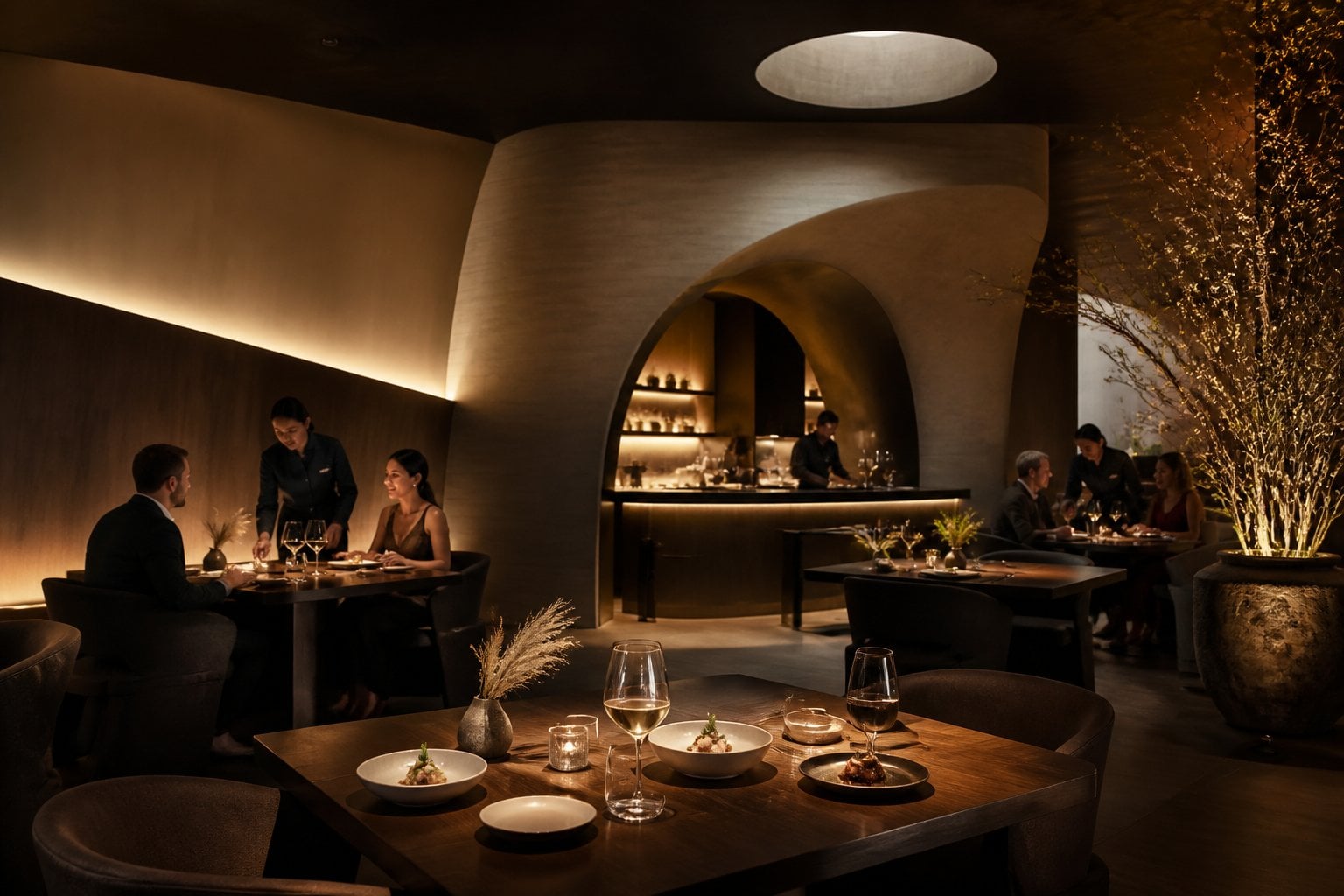
Somni sits in West Hollywood and holds the title of the most expensive restaurant in California. Chef Aitor Zabala, who trained at El Bulli, leads a tasting menu that runs close to 30 courses in a single seating.
You should expect to pay around $645 per person for the food alone. Add beverage pairings, tax, and tip, and your total can climb toward $1,000 or more.
The dining room seats a small number of guests each night, and doors open at 7:30 p.m. for everyone at once. You won’t get a staggered start here; the experience unfolds on the same timeline for the whole room.
Since opening, Somni has earned a Michelin star and recognition from Forbes. You’re paying for technical precision, rare ingredients, and a level of service built around a single, unified evening.
2. Atelier Crenn, San Francisco
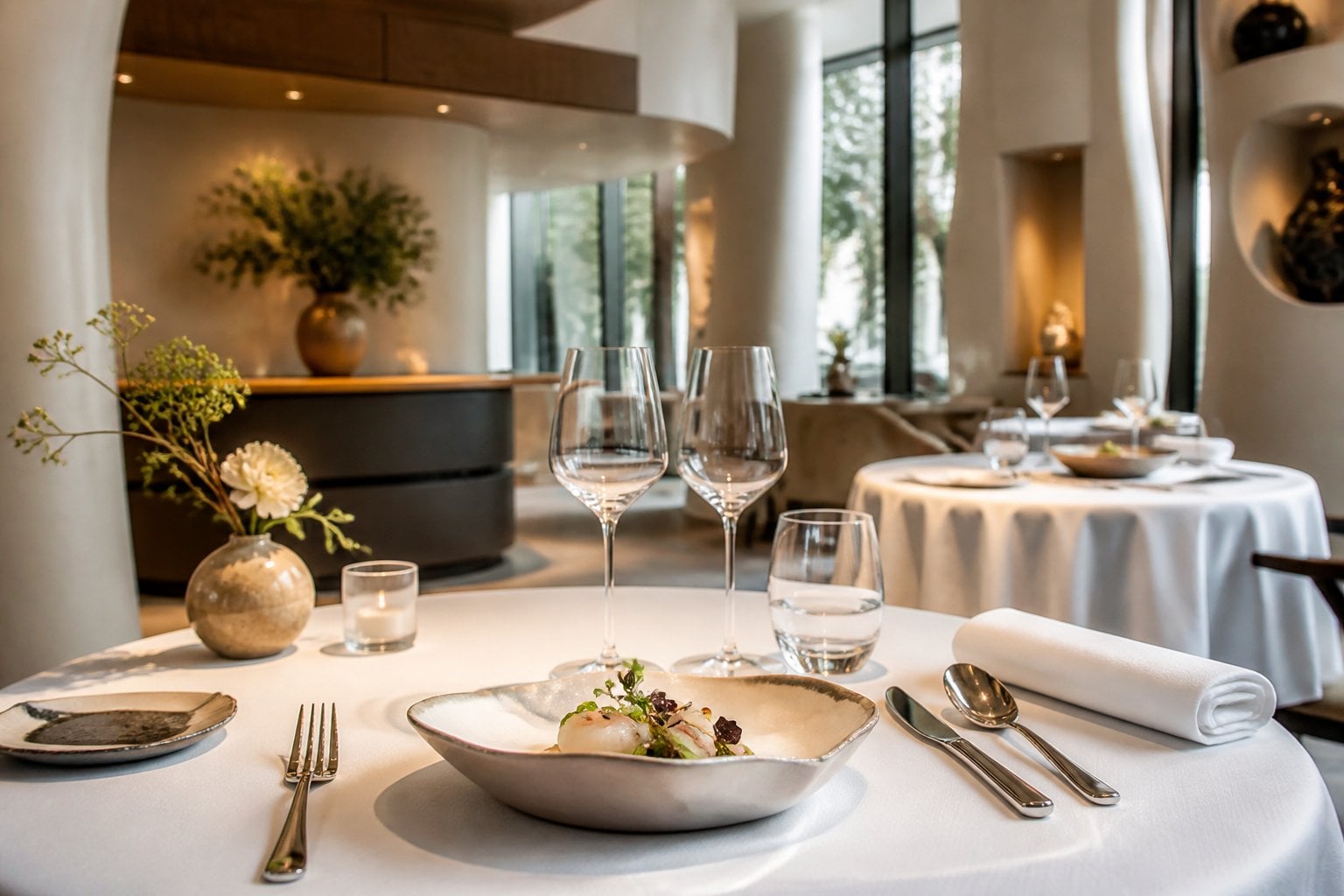
You’ll find Atelier Crenn tucked into Fillmore Street, holding three Michelin stars under chef Dominique Crenn. This is French fine dining, built around a tasting menu format only.
Expect to pay around $410 per person for the food alone. With wine pairings and service included, your total can reach $1,200 for two.
The tasting menu runs about 14 courses over roughly three hours. Each dish leans toward artistic presentation, reflecting Crenn’s approach to poetic, narrative-driven cuisine.
You’ll need a reservation well in advance, and a deposit is typically required at booking. Seating is limited, and the restaurant operates Tuesday through Saturday evenings only.
If you’re looking for one of the highest-priced dining experiences in the state, this restaurant consistently ranks at the top. Its reputation rests on both cost and culinary technique.
3. The French Laundry, Yountville
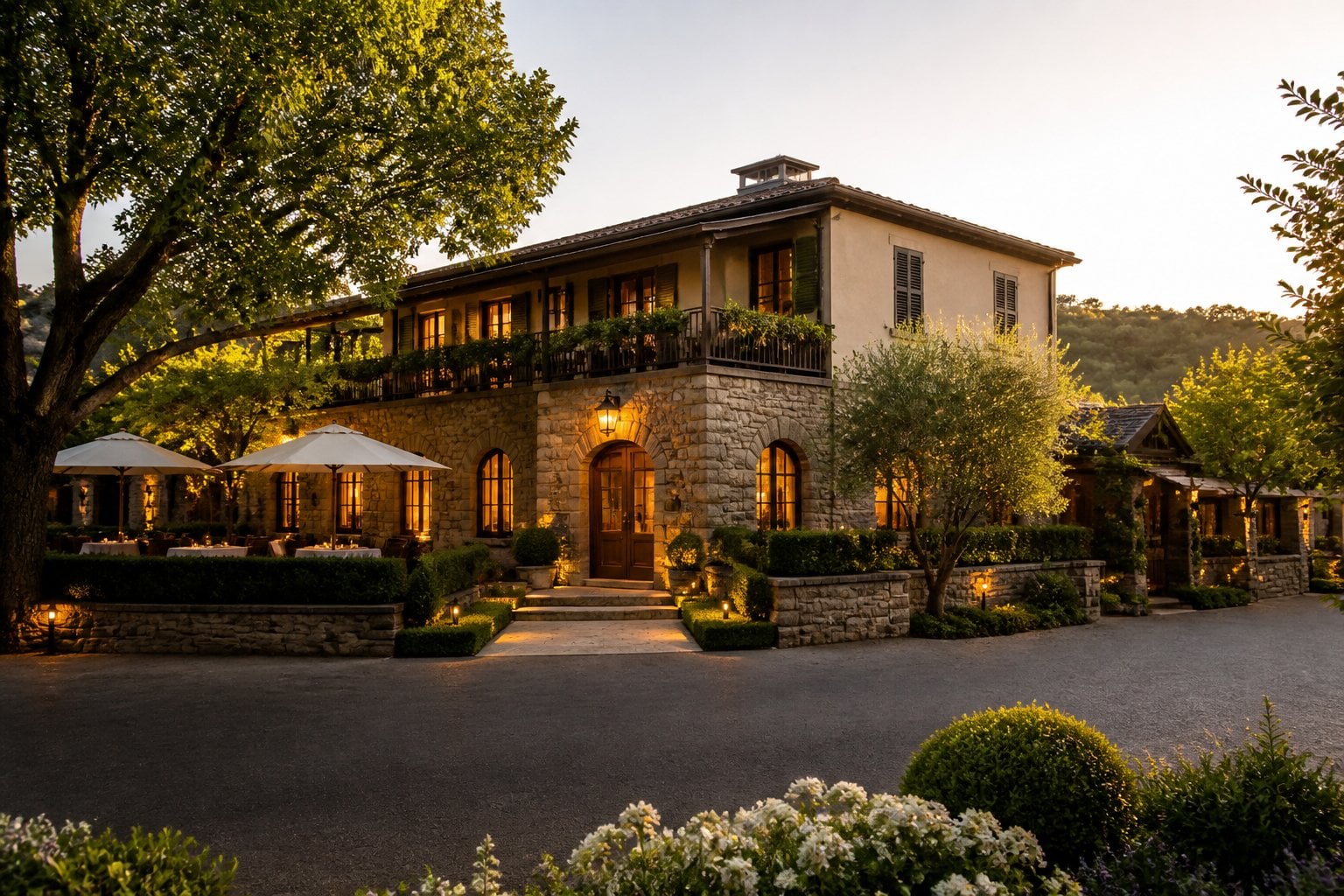
You’ll find The French Laundry housed in a stone building that once served as a French steam laundry in the 1920s. Thomas Keller purchased the property in 1994 and turned it into the restaurant that helped define contemporary American fine dining.
The restaurant holds three Michelin stars in the California guide. You’ll be served a tasting menu that blends French technique with California ingredients, featuring dishes like the salmon tartare cornet and butter-poached pompano.
Expect to pay a base price of $425 per person for the tasting menu. If you’re interested in the monthly black truffle and caviar dinner, you should budget around $1,200 per person.
Securing a reservation takes planning, since demand for tables consistently outpaces availability. You’ll want to book well in advance of your intended visit.
4. SingleThread, Healdsburg
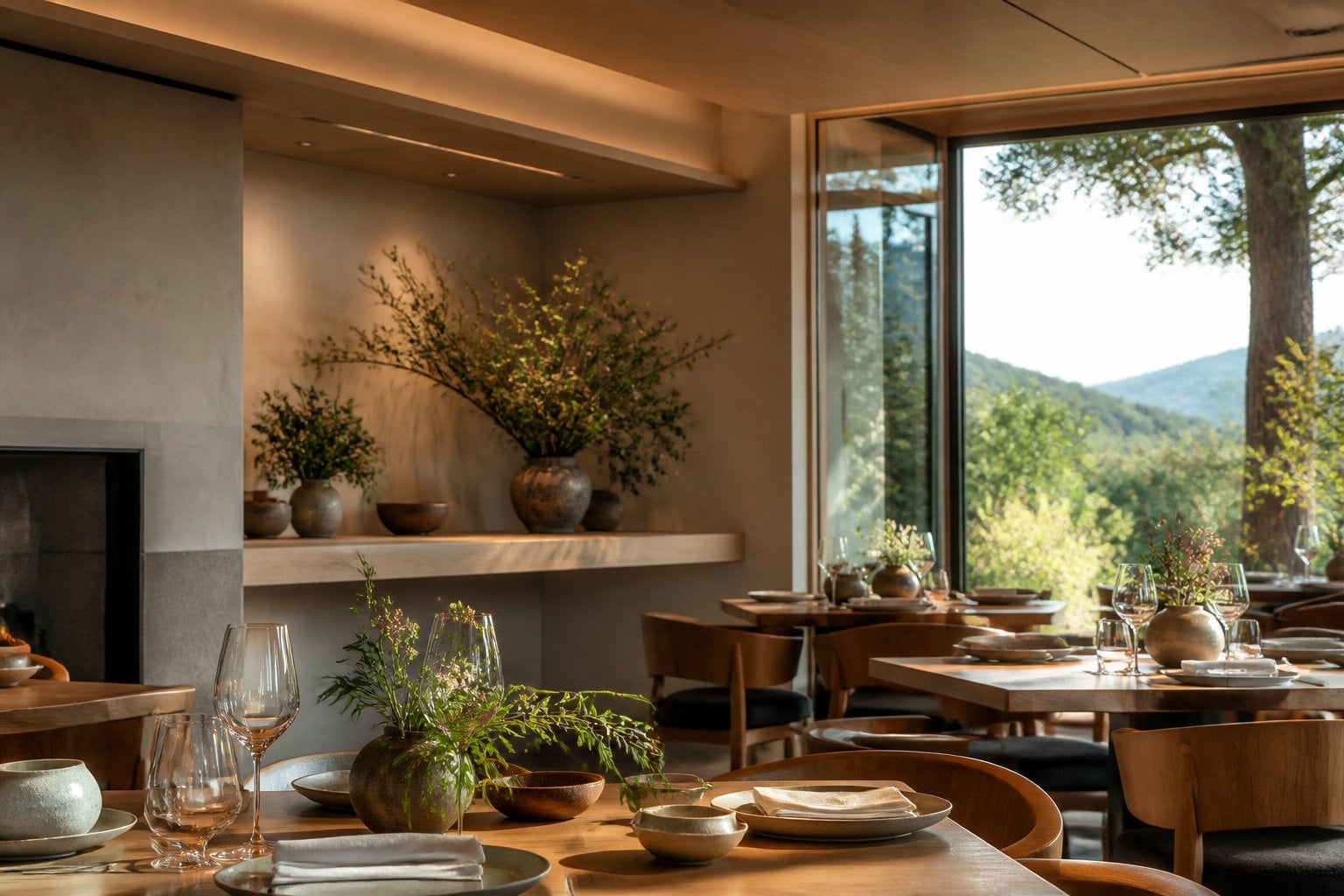
At SingleThread, you dine at one of only a few restaurants in the world holding three Michelin stars and three Michelin Keys. Chef Kyle Connaughton and head farmer Katina Connaughton run the operation together, pairing an eleven-course tasting menu with produce grown on their 24-acre farm in Dry Creek Valley.
The influence of the couple’s time in Japan shows up throughout the meal, with a kaiseki-inspired structure that shifts with the seasons. You won’t find a fixed menu here; what you eat reflects what the farm has that week.
Above the restaurant, you’ll find five guest rooms, making an overnight stay part of the experience for many visitors. Prices reflect this level of ambition, with tasting menus and wine pairings placing SingleThread among the state’s costliest dining destinations.
5. Addison, San Diego
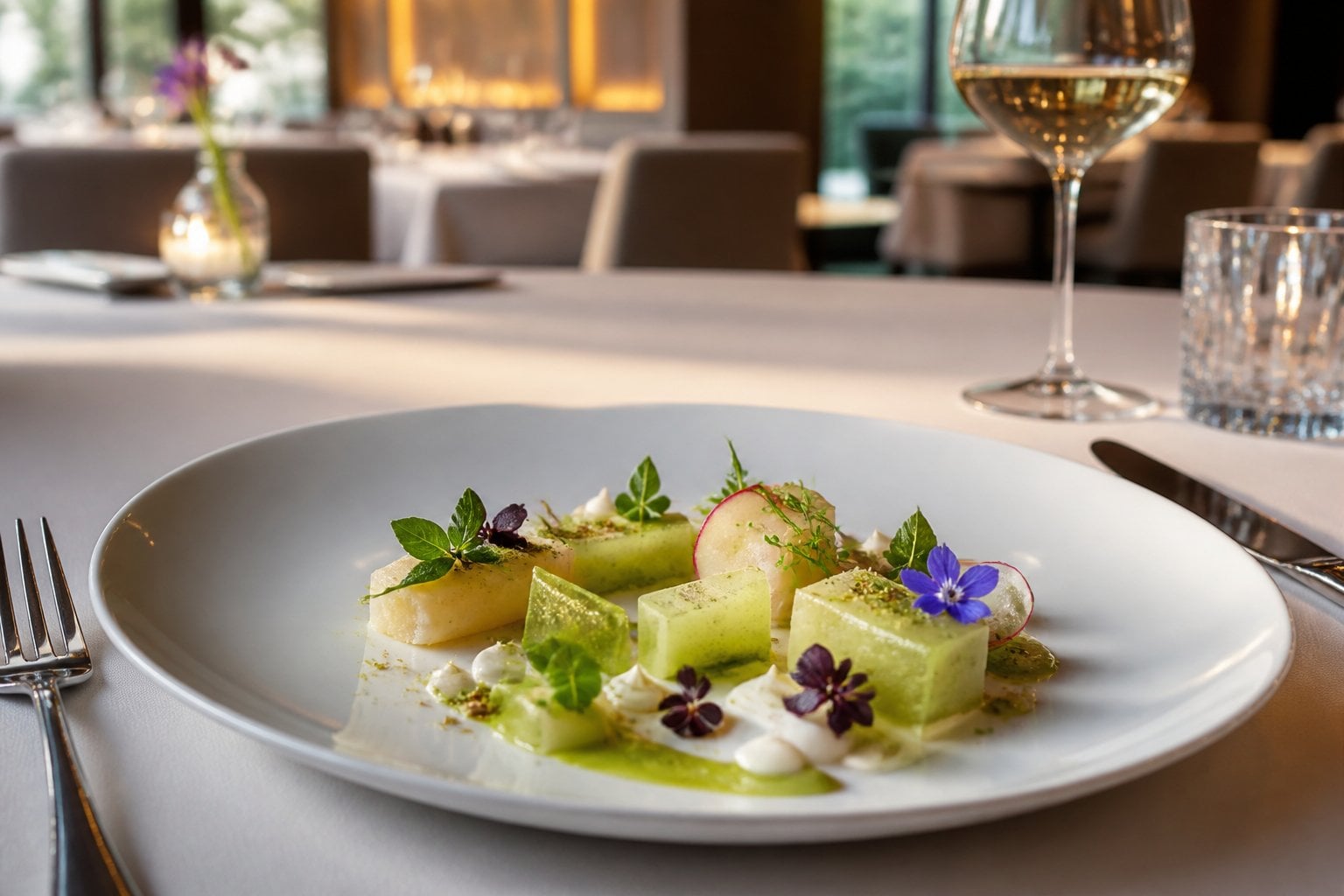
You’ll find Addison inside the Fairmont Grand Del Mar, a short drive north of downtown San Diego in Carmel Valley. It holds three Michelin stars, making it the first restaurant in Southern California to reach that ranking.
Chef William Bradley leads the kitchen, offering a tasting menu built around what’s often called California Gastronomy. You can expect refined technique paired with regional ingredients, presented across multiple courses.
The dining room itself reflects the scale of the resort surrounding it. Garden terraces and manicured grounds add to the setting, giving you an experience that extends beyond the plate.
Given its Michelin status and the level of service involved, pricing here sits among the highest in the state. If you’re planning a visit, expect a multi-hour commitment and a cost that matches the restaurant’s reputation for precision and polish.
6. Providence, Los Angeles
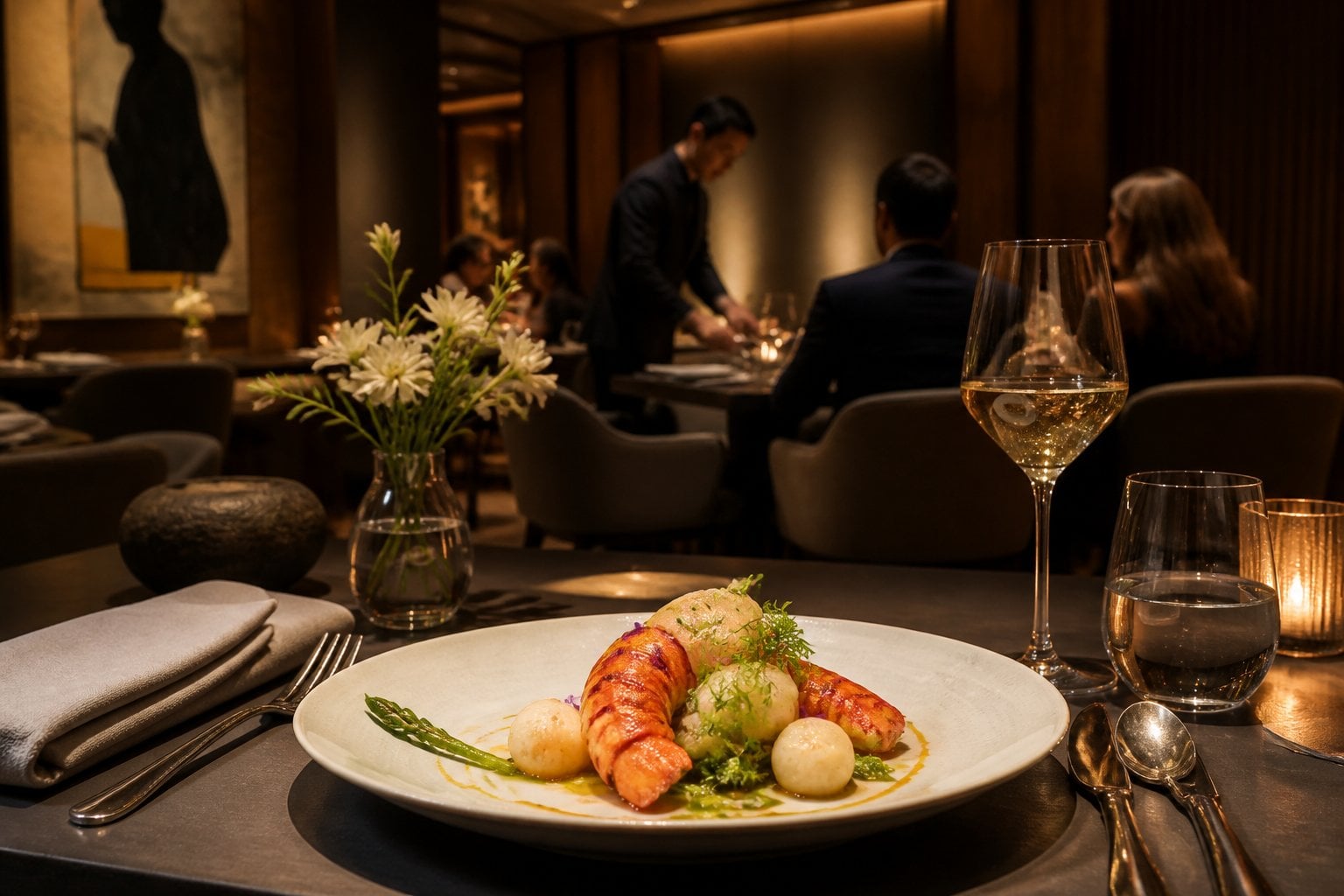
You’ll find Providence at 5955 Melrose Avenue, one of the city’s most established seafood destinations. Chef Michael Cimarusti built the restaurant’s reputation on sustainable seafood, sourced with careful attention to seasonality and origin.
Expect to pay around $285 per person for the tasting menu. This price reflects the restaurant’s Michelin-starred status and its focus on precise, seafood-forward cuisine.
The signature tasting menu changes with the seasons, so your experience will vary depending on when you visit. You can also opt for seasonal offerings that highlight specific ingredients at their peak.
Providence works well for date nights or celebrations, given its polished service and refined atmosphere. If you’re planning a special occasion in LA and want a seafood-centric meal without cutting corners, this restaurant remains a reliable choice among the city’s high-end dining options.
7. Masa, Los Angeles
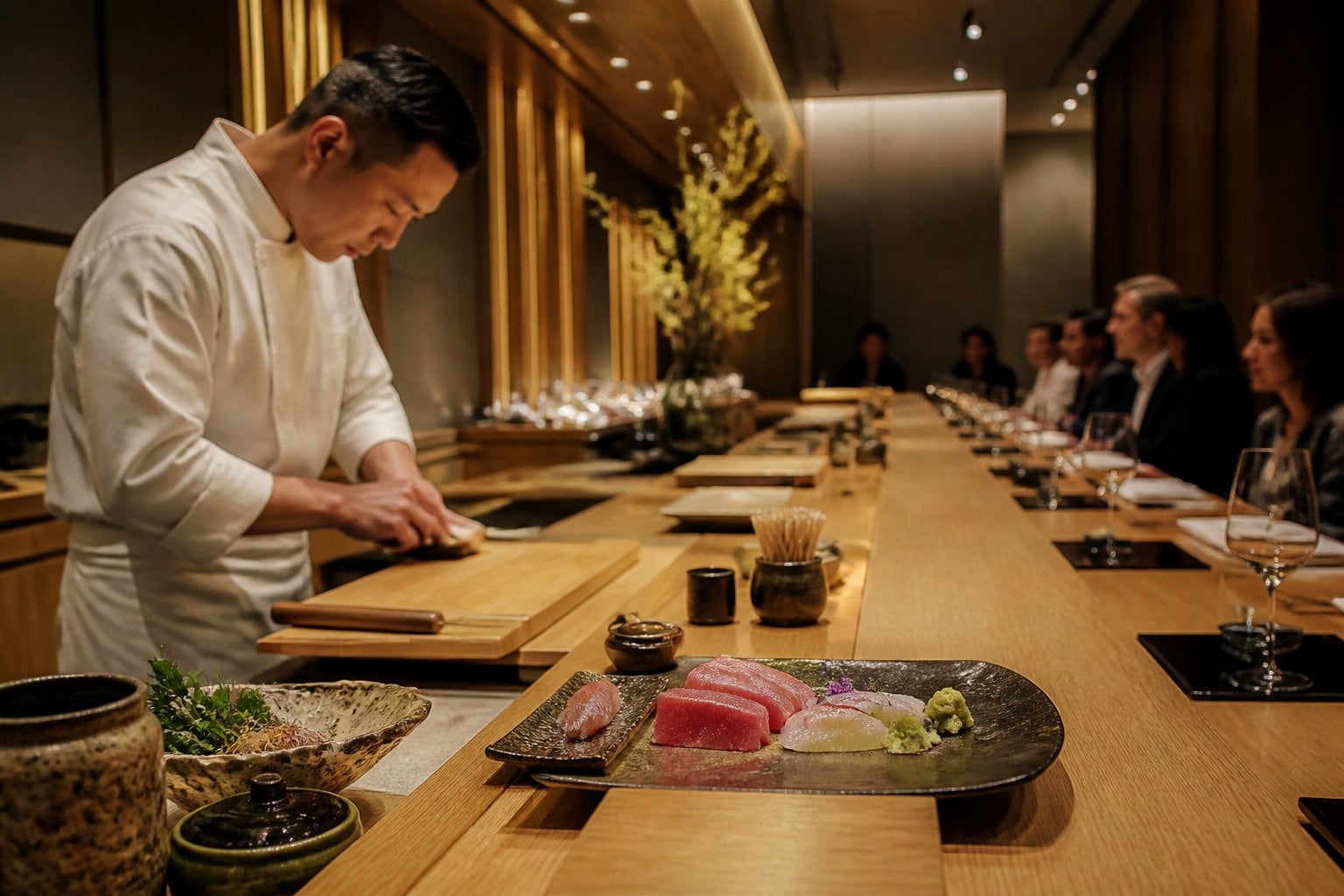
Masa brings an intimate omakase experience to Los Angeles, built around a tasting menu that changes based on seasonal availability. You sit at a small counter where the chef prepares each course in front of you, blending Japanese technique with California ingredients.
Expect a lengthy progression of dishes, often featuring premium seafood flown in from Japan alongside local seasonal produce. Portions are precise rather than large, with the value placed on craftsmanship and freshness.
The price reflects the rarity of ingredients and the skill required to prepare them. Reservations are limited, and seating is typically restricted to a handful of guests per service, which keeps the experience personal but also drives up demand.
You should plan for a meal that takes several hours, since each course is served at a deliberate pace. This isn’t a quick dinner option—it’s designed for guests who want to slow down and focus entirely on the food in front of them.
8. N/Naka, Los Angeles
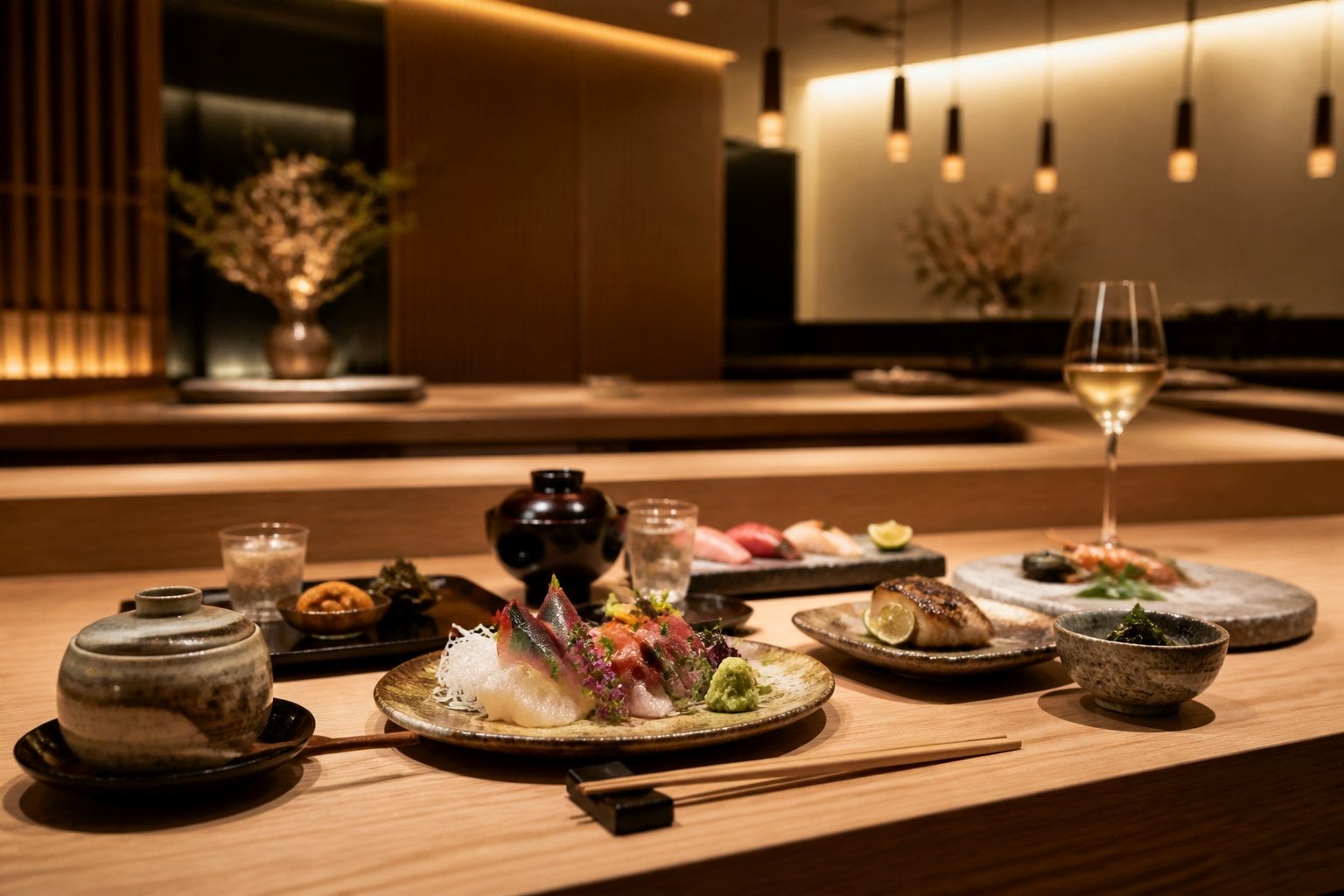
At n/naka, you experience a modern take on kaiseki, the traditional multi-course Japanese dining format. Chef Niki Nakayama and Chef Carole Iida-Nakayama lead the kitchen, blending Japanese technique with California ingredients. The restaurant sits at 3455 Overland Avenue, in a quiet residential stretch of Los Angeles.
You should expect a lengthy tasting menu, sometimes running close to 20 courses, built around seasonal ingredients. The space is intimate, so reservations require planning well in advance. You’ll notice the pacing is deliberate, meant to highlight each dish rather than rush through the meal.
The restaurant has held Michelin recognition for years, though its star count has shifted between one and two over time. Pricing reflects the scope of the tasting menu and the sourcing behind it. You’re paying for craftsmanship and consistency, not flash or spectacle.
9. Hayato, Los Angeles
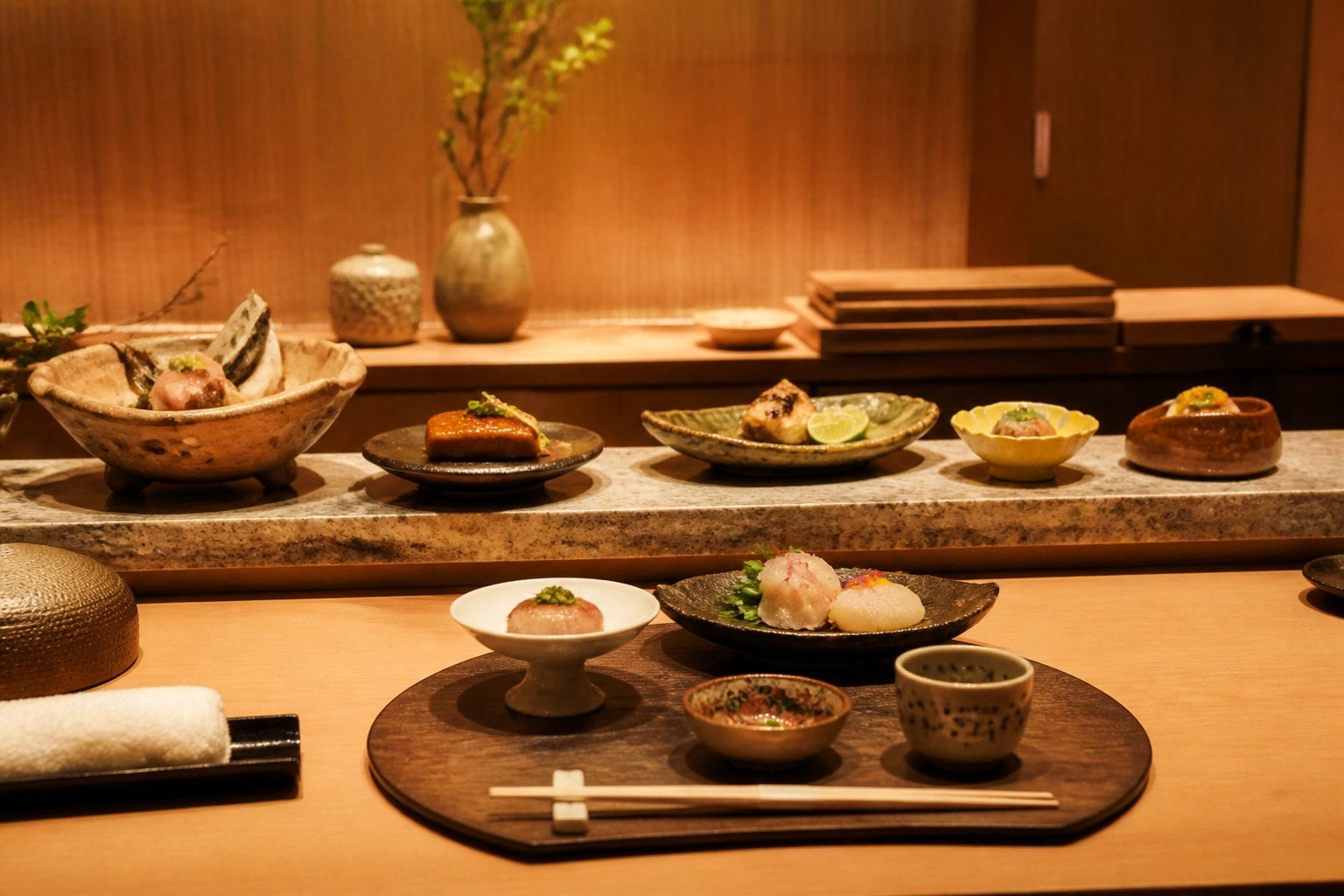
You’ll find Hayato inside Row DTLA, a converted warehouse complex on the eastern edge of downtown. There’s no flashy signage or grand entrance, just suite 126 waiting quietly among the other tenants.
Inside, you’re limited to seven seats at a handcrafted counter, with only one seating offered each night. This means you’re competing with a small number of other diners for a reservation, so booking ahead is essential.
Chef Brandon Hayato Go runs the kitchen, and you’ll watch him handle and arrange each ingredient personally. He explains every course as it’s served, giving you direct insight into his techniques and sourcing decisions.
The restaurant holds two Michelin stars for its kaiseki menu, which follows traditional Japanese seasonal principles. You should expect a multi-course tasting format built around close interaction between you and the chef, rather than a typical restaurant service structure.
10. Orsa & Winston, Los Angeles
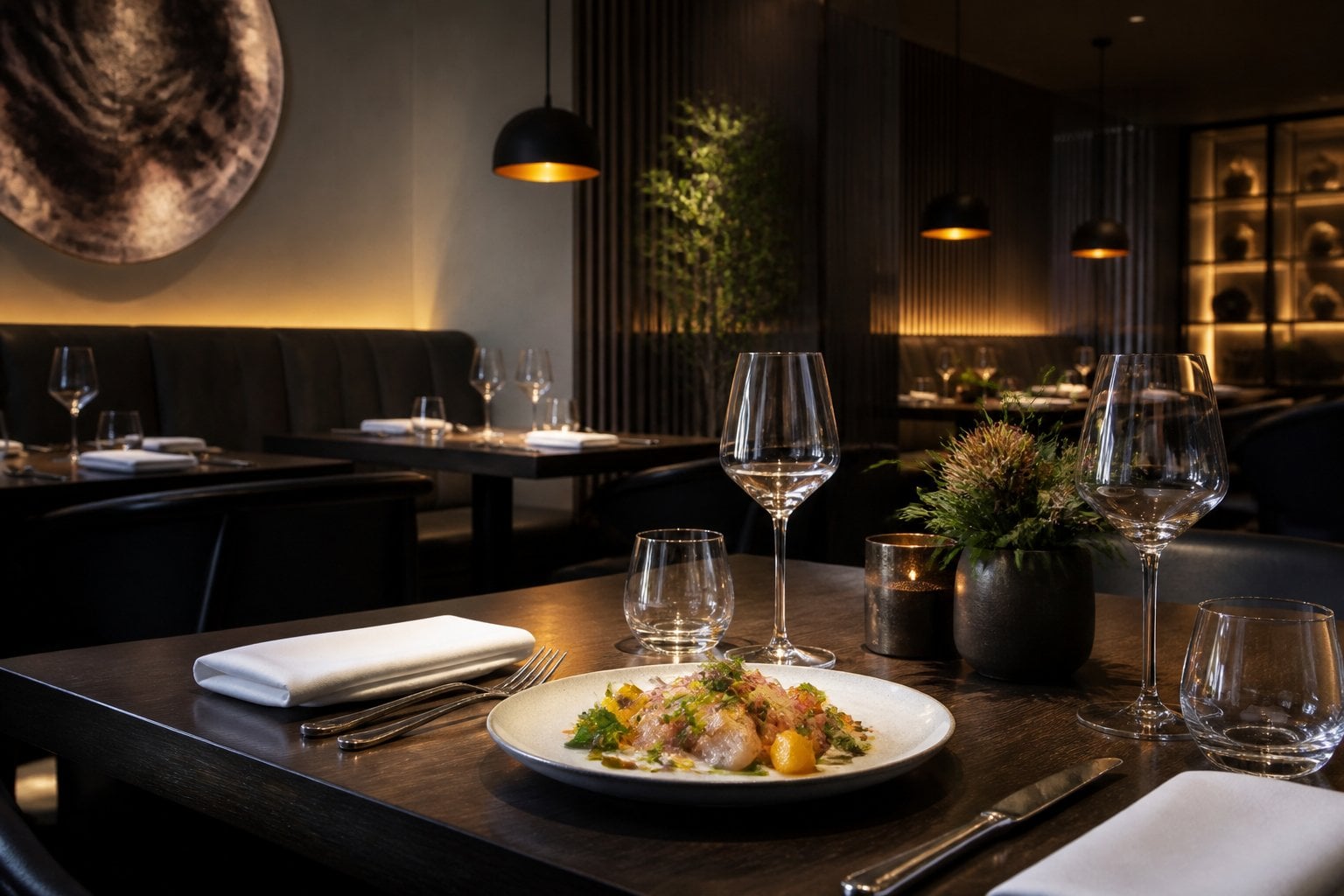
You’ll find Orsa & Winston inside the historic Farmers and Merchants Bank Building in downtown LA. Chef Josef Centeno has run this restaurant since 2013, and it holds a Michelin star for its approach to combining Japanese and Italian cooking techniques.
The five-course pescatarian tasting menu is the centerpiece of your visit. Expect dishes that pull from both culinary traditions without simply stacking them together—Centeno’s kitchen treats each influence with equal weight.
The dining room reflects the same restraint as the food: minimalist design, natural materials, and an open kitchen where you can watch the cooking process unfold. Seating is intimate, so reservations matter.
You’ll pay around $150 for the tasting menu, a price point that’s notable given the level of technique on display. The restaurant is open Tuesday through Saturday, from 5pm to 10pm.
11. Mélisse, Santa Monica
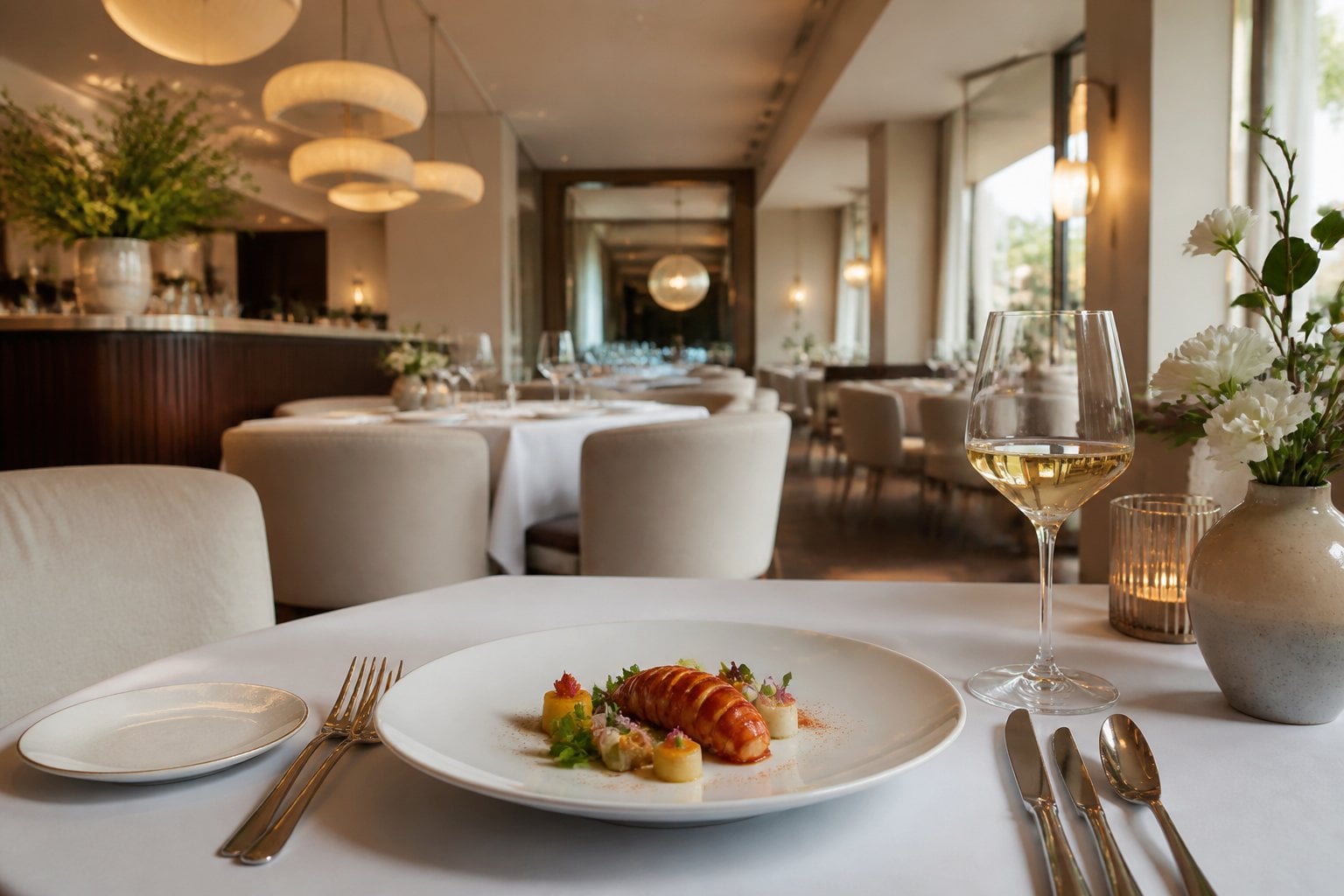
You’ll find Mélisse tucked behind a discreet side entrance on Wilshire Boulevard, a departure from its original standalone location. Chef Josiah Citrin has run this two-Michelin-star operation since 1999, and the space now centers on a 14-seat room designed for close, focused dining.
Expect a fixed chef’s tasting menu built around French technique, with contemporary touches layered into classic sauces and preparations. The current format runs $399 per person, reflecting the intimacy of the setting and the precision behind each course.
You won’t get a sprawling menu here. Instead, you get a sequence of dishes meant to be experienced in order, with attention paid to detail at every stage.
Before you book, check the restaurant’s official site for current pricing and reservation policies, since both can shift. Mélisse remains one of the defining fine-dining destinations in Santa Monica, and its reputation continues to draw diners seeking a serious, structured meal.
12. Maude, Beverly Hills
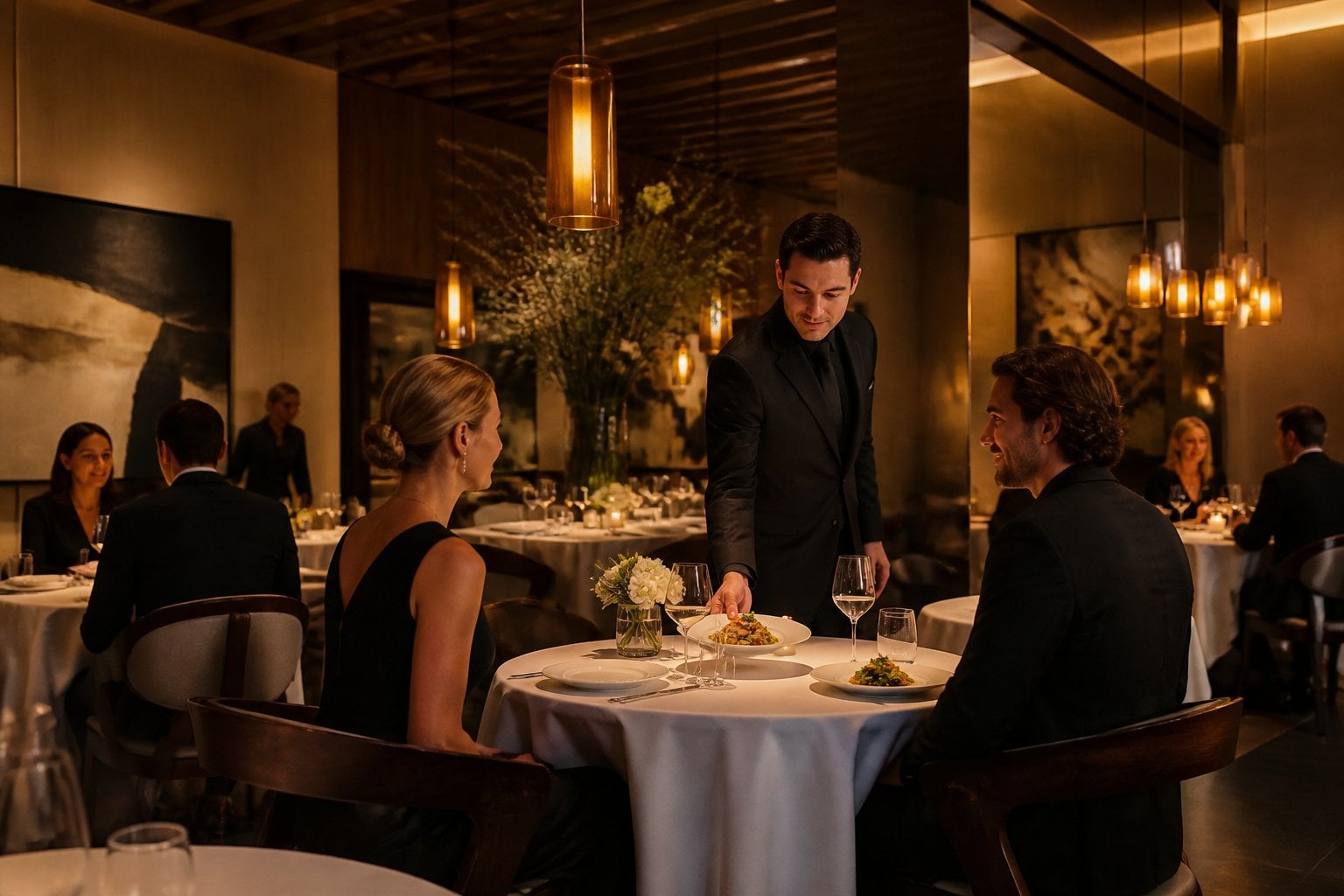
Maude was a Michelin-starred restaurant created by Australian chef Curtis Stone, located at 212 S. Beverly Drive in Beverly Hills. You would experience a multi-course tasting menu that changed monthly, often built around a single ingredient or seasonal theme.
The interior was modern and understated, reflecting the restaurant’s focus on the food itself rather than spectacle. Menus drew inspiration from Sonoma Valley produce and wine, giving each course a clear regional identity.
You could expect refined Californian cuisine, with courses that balanced simplicity and technical precision. Pricing placed Maude among the more expensive dining destinations in Beverly Hills, reflecting its tasting-menu format and Michelin recognition.
The restaurant closed after its final service in late September, ending its run as one of the city’s notable fine dining establishments.
13. Capo, Santa Monica
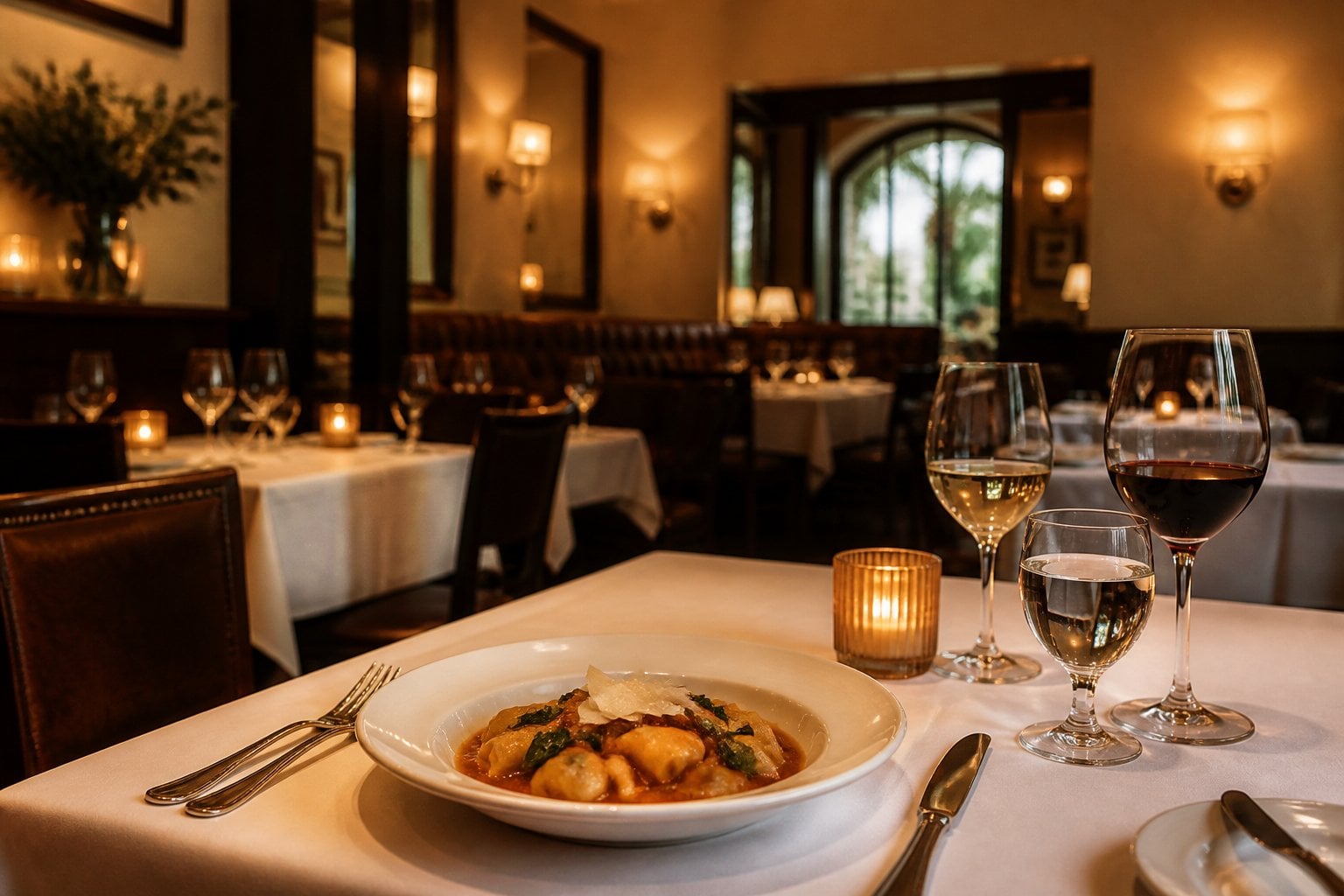
You’ll find Capo at 1810 Ocean Ave, a small Italian restaurant known for handcrafted cuisine and wood-fired dishes. It sits near the coast in Santa Monica, and its intimate setting sets it apart from larger fine dining rooms.
Prices here run high. Menu items such as the Prime Rib Chop have been reported at around $88, and per-ounce pricing on certain cuts can reach $240. A dinner for four can easily exceed $800.
You should expect a focus on quality over quantity. Portions are modest, and the menu leans on simple, well-executed Tuscan-style dishes rather than elaborate presentations.
Reservations are recommended, since the restaurant is small and seating is limited. You’ll want to call ahead, as walk-in availability is inconsistent given its reputation as one of the priciest dining spots in the state.
14. Patina, Los Angeles
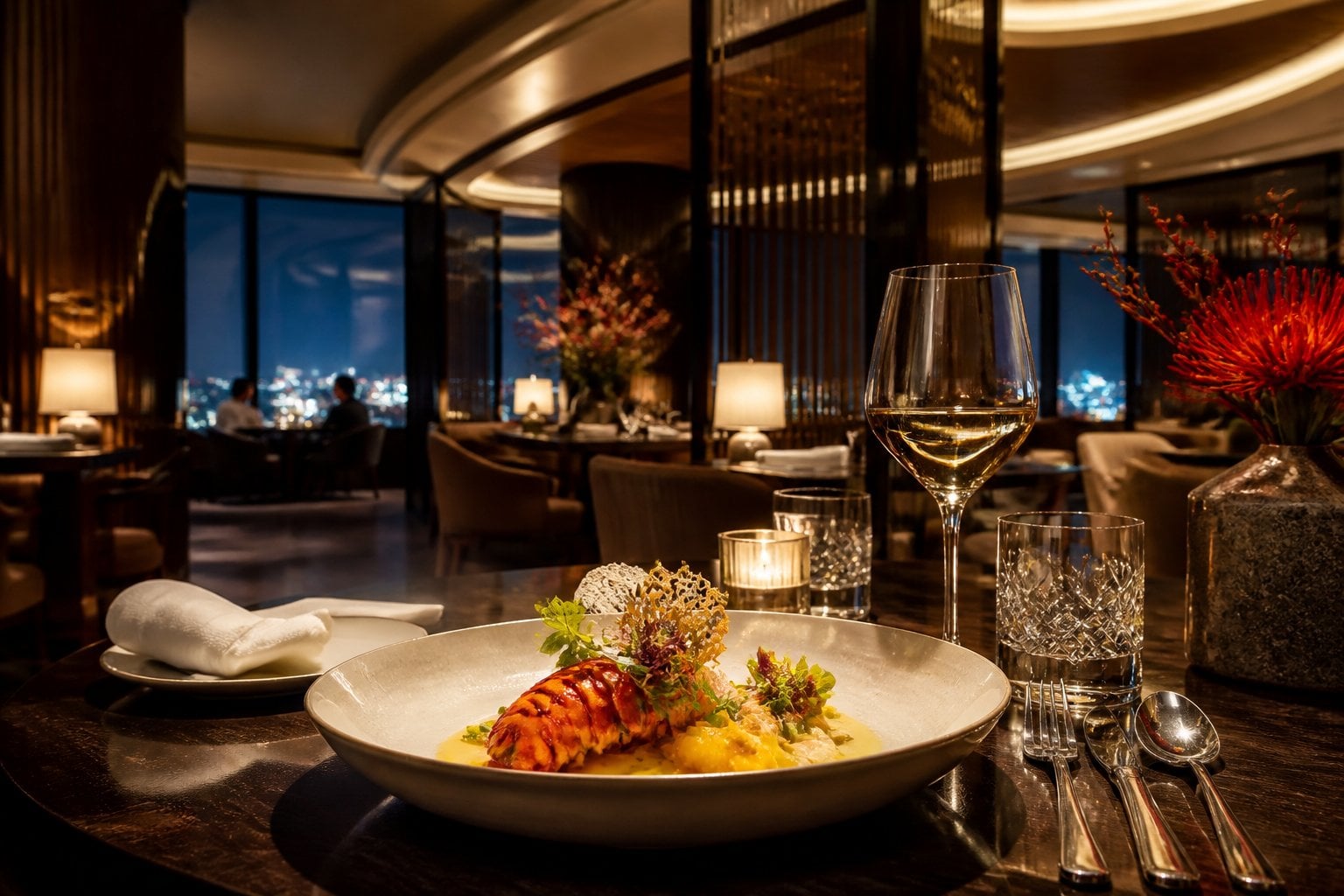
Patina sits inside the Walt Disney Concert Hall in downtown Los Angeles, and it has held a place among the city’s top fine dining destinations for years. The restaurant is part of the larger Patina Group, which operates locations across several major US cities.
You can expect contemporary American cuisine with French technique at its core. The menu changes seasonally, reflecting whatever ingredients are at their peak, and dishes are plated with precision.
The setting matches the food. Because of its location within the concert hall, Patina works well before or after a performance, and the dining room itself has a polished, formal atmosphere.
Wine pairings are a strong point here, with a list built to complement the tasting menus. You should plan for a multi-course experience if you want the full picture of what the kitchen offers, since a la carte options are more limited than the tasting format.
15. Bestia, Los Angeles
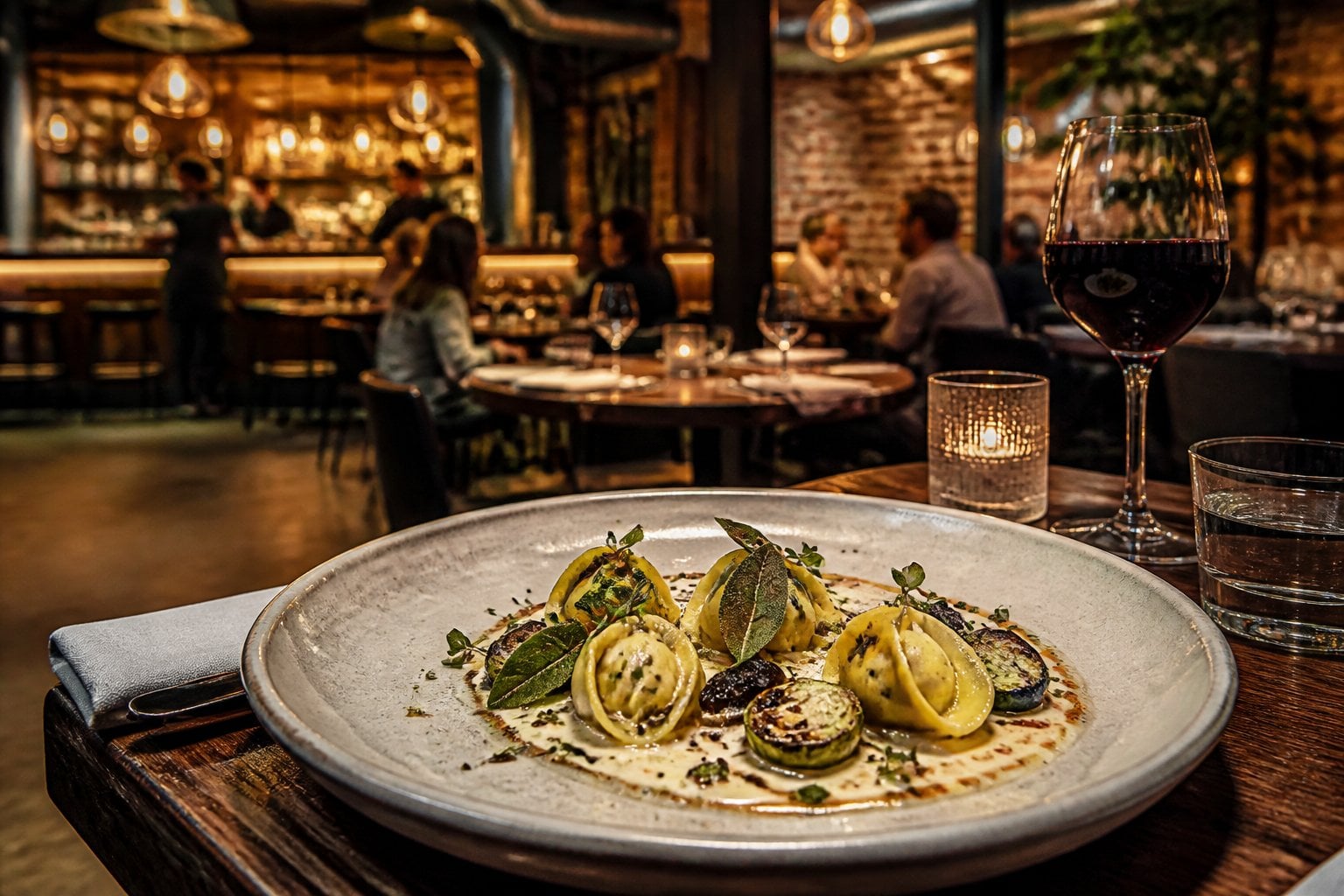
You’ll find Bestia in the Arts District, housed in a warehouse-style space with a copper bar and exposed infrastructure. The room has an industrial feel, but the atmosphere stays lively and warm.
Chef-owners Ori Menashe and Genevieve Gergis built a menu centered on modern Italian cooking with Californian influences. You can expect handmade pastas, wood-fired dishes, and cured meats made in-house.
Expect to spend around $100 per person here. That price reflects both the quality of ingredients and the restaurant’s reputation as one of the hardest reservations to secure in the city.
Bestia has held a Michelin star, and it consistently ranks among the top restaurants in Los Angeles on review platforms. If you’re looking for a dining room where the food and setting both make a statement, this one delivers on both fronts.
16. Sushi Ginza Onodera, Los Angeles
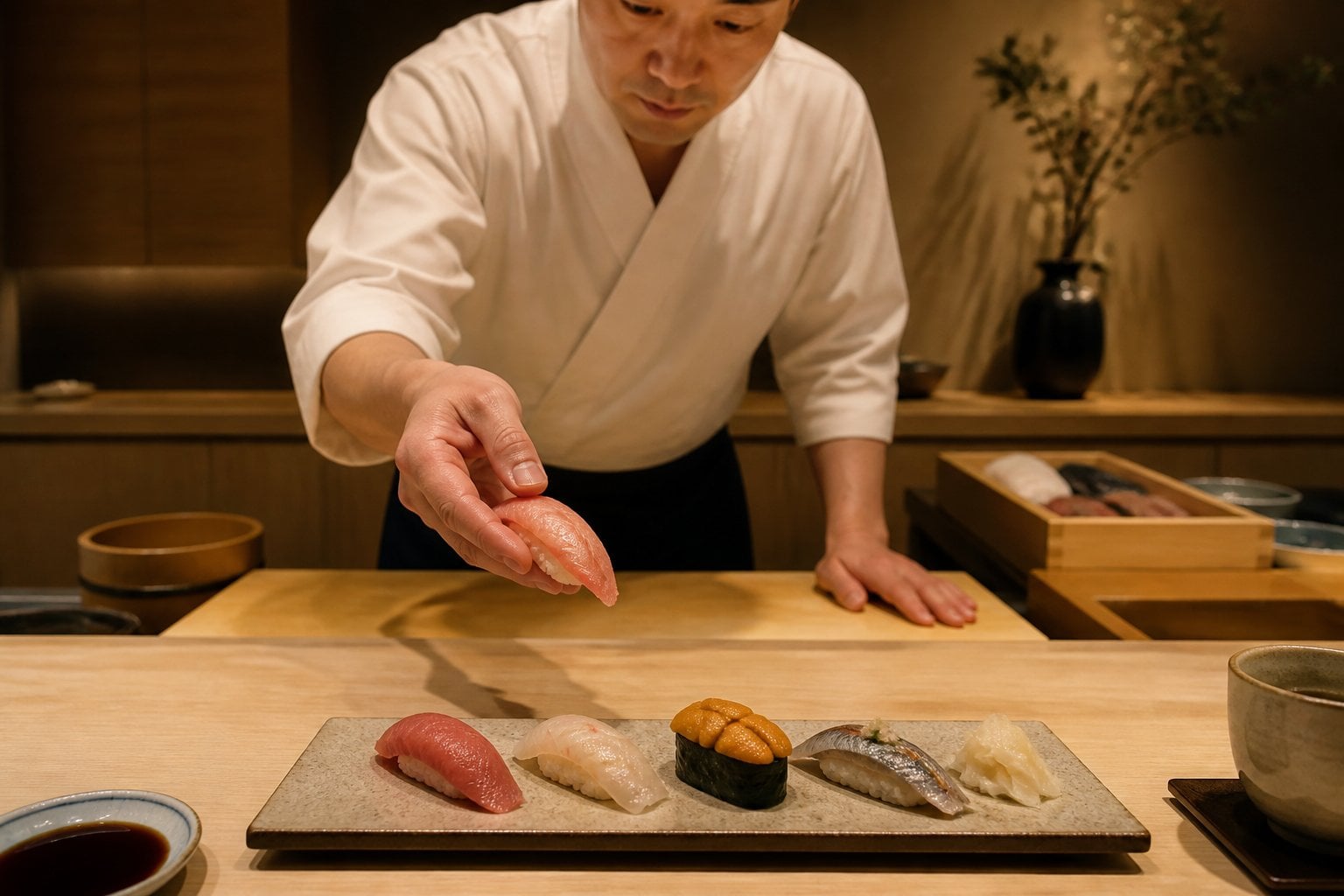
You’ll find this outpost of the renowned Ginza-based sushi house on North La Cienega Boulevard in West Hollywood. Chef Yohei Matsuki leads the omakase program, which follows the Edomae tradition with fish sourced from Tokyo’s Toyosu Market.
Dinner is served in two seatings, at 6pm and 8:30pm, with the omakase priced at $400 per person. You’ll notice the pacing moves quickly, giving you less time to linger over each course than at some other counters.
A strict no-tipping policy applies here, which offsets some of the cost. The restaurant has held a Michelin star since 2019, maintaining that recognition for five consecutive years as of 2024.
You’ll dine in a minimalist space with warm wood tones and clean lines, designed to keep your attention on the sushi itself.
17. Urasawa, Beverly Hills
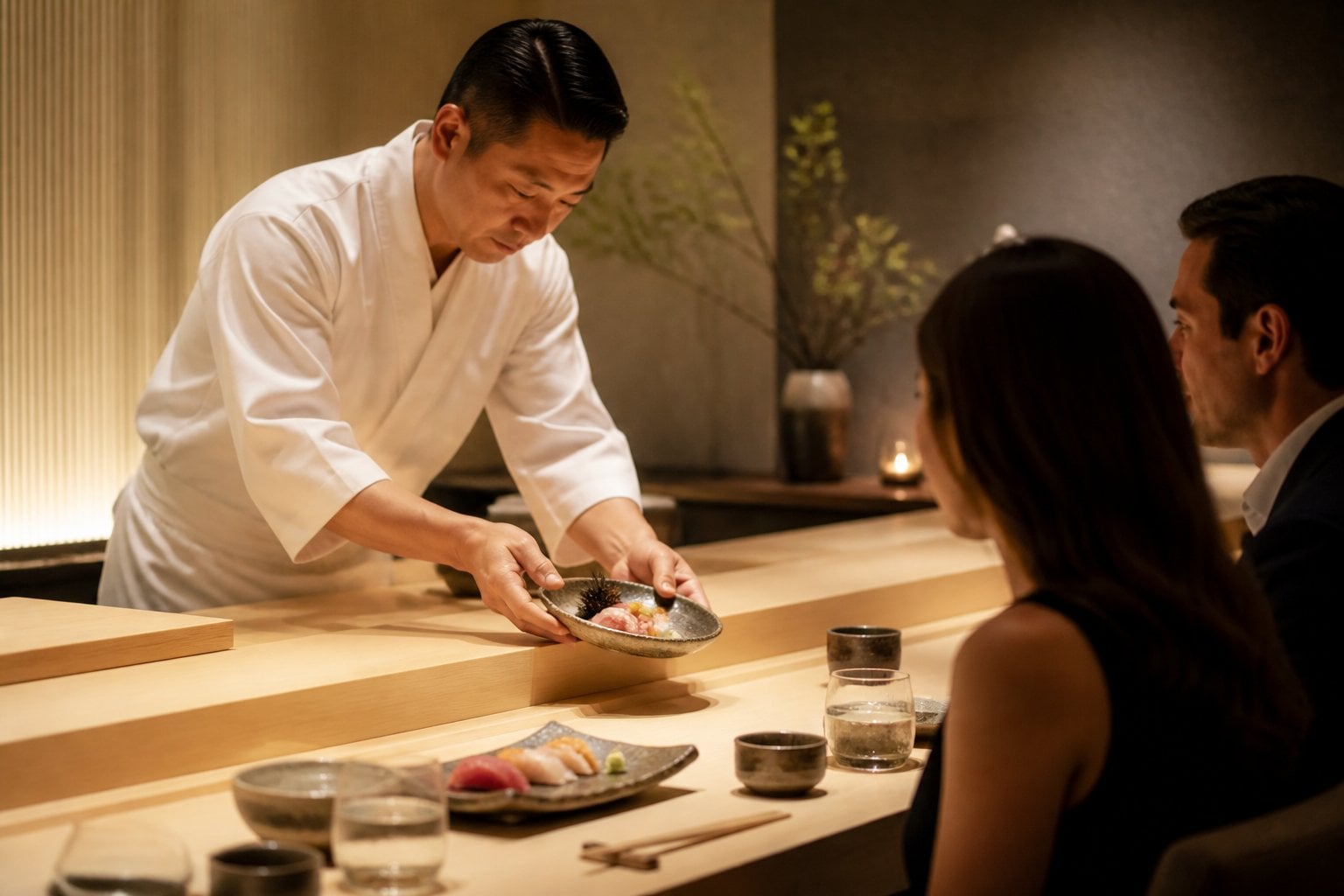
You’ll find Urasawa tucked into a small space on Rodeo Drive, far removed from the flash of the boutiques outside its door. Chef Hiroyuki Urasawa built a reputation as one of the most respected sushi masters in the country here.
The restaurant closed in 2020, but its legacy still shapes how you understand high-end dining in California. A meal at Urasawa often ran into the thousands of dollars per person once you added premium items like imperial caviar.
You experienced an omakase format, where the chef selected each course based on what was freshest that day. Fish was flown in directly from Japan, and portions were small but precise.
You paid for craftsmanship and rarity, not volume. Reports placed Urasawa among the most expensive restaurants in the world, rivaled by only a handful of establishments globally.
18. Kato, Los Angeles
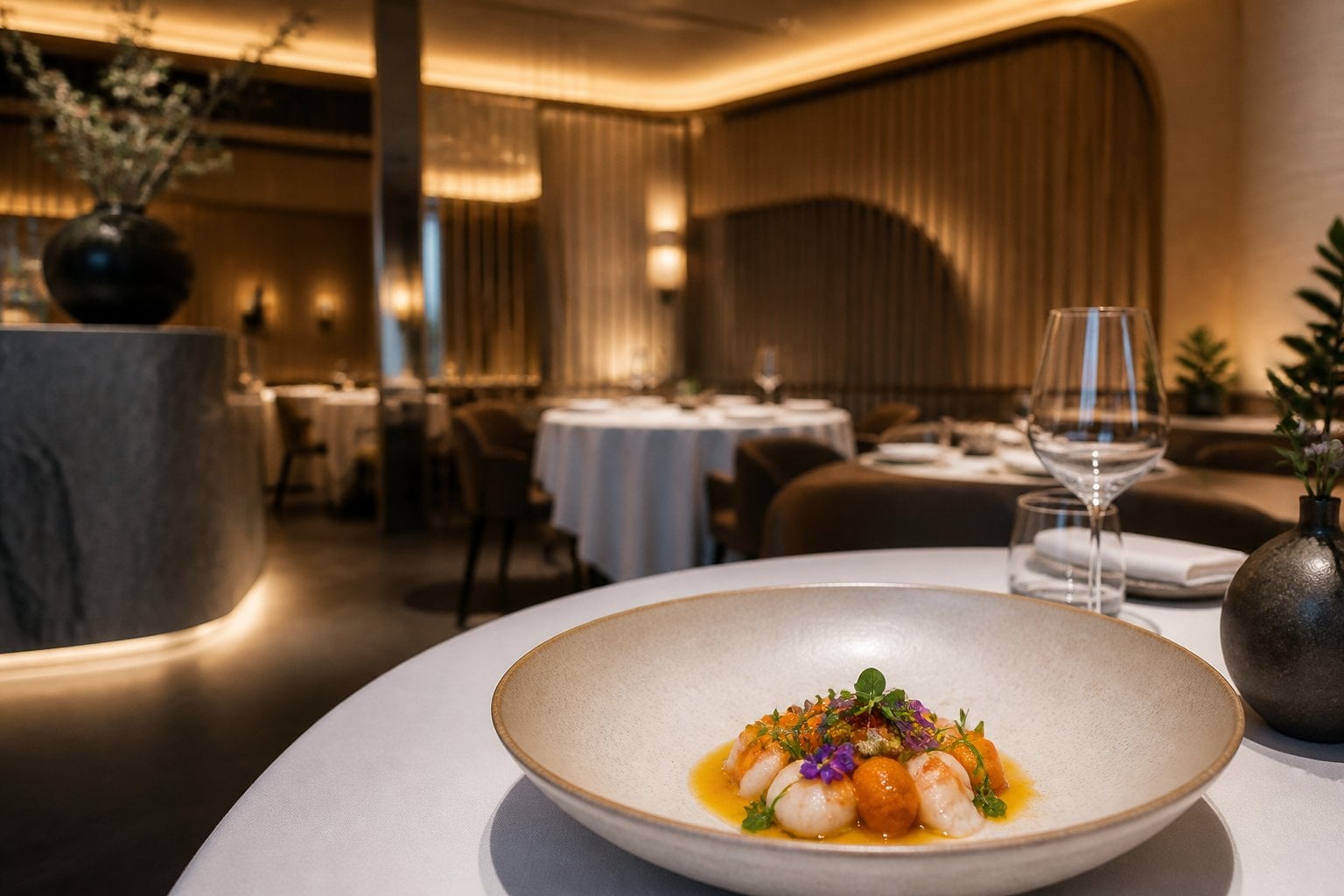
You’ll find Kato at ROW DTLA, where chef Jon Yao serves a Taiwanese-inspired tasting menu that earned the restaurant two Michelin stars. The move from one to two stars made Kato the only Los Angeles restaurant to achieve that jump.
Expect to pay $325 for the full tasting menu. If you prefer a shorter experience, a bar-only option is available for $185.
Kato’s pastry program, led by Erika Chan, adds another layer to the menu beyond the savory courses. You’ll notice the restaurant draws on Yao’s Taiwanese heritage, translating it into a refined, contemporary format.
Service at Kato is precise and attentive, matching the ambition of the food. Given its reputation and pricing, you should book well in advance if you want a table.
19. 71Above, Los Angeles
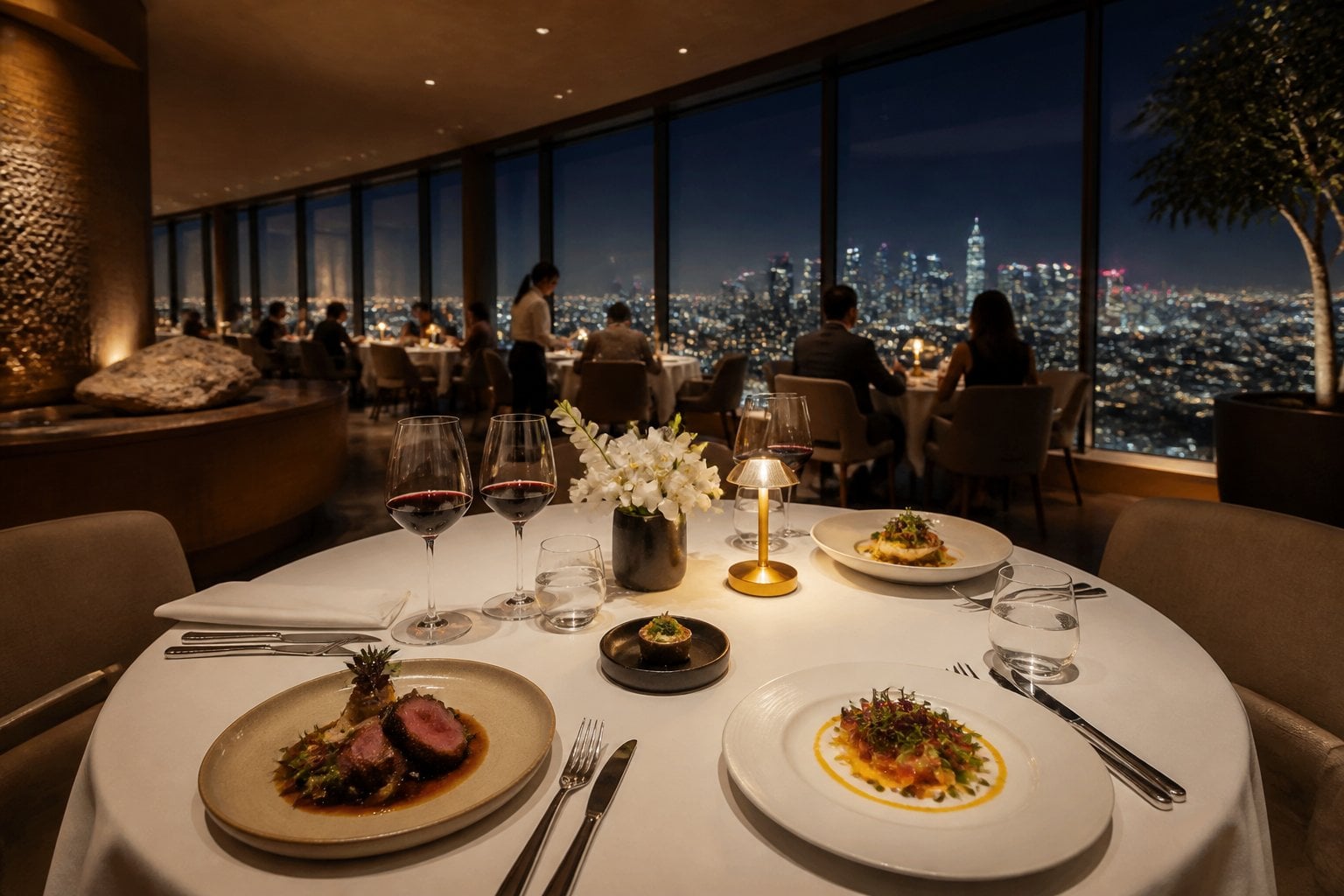
You’ll find 71Above on the 71st floor of a downtown Los Angeles tower, roughly 1,000 feet above street level. It holds the distinction of being the highest restaurant west of the Mississippi, giving you panoramic views that stretch across the city.
The menu follows a three-course prix fixe format, priced around $95 to $98 per person before tax and gratuity. Wine pairings add another $56 or so if you choose to include them.
Chef Javier Lopez leads the kitchen with modern American cuisine, built around seasonal ingredients and refined technique. Dishes are organized by weight, moving from lighter starters to heartier mains.
Beyond the food, you’re paying for the setting itself. The combination of elevation, skyline views, and polished service positions 71Above as one of the city’s premier fine dining destinations for special occasions.
20. Mastro’s Steakhouse, Beverly Hills
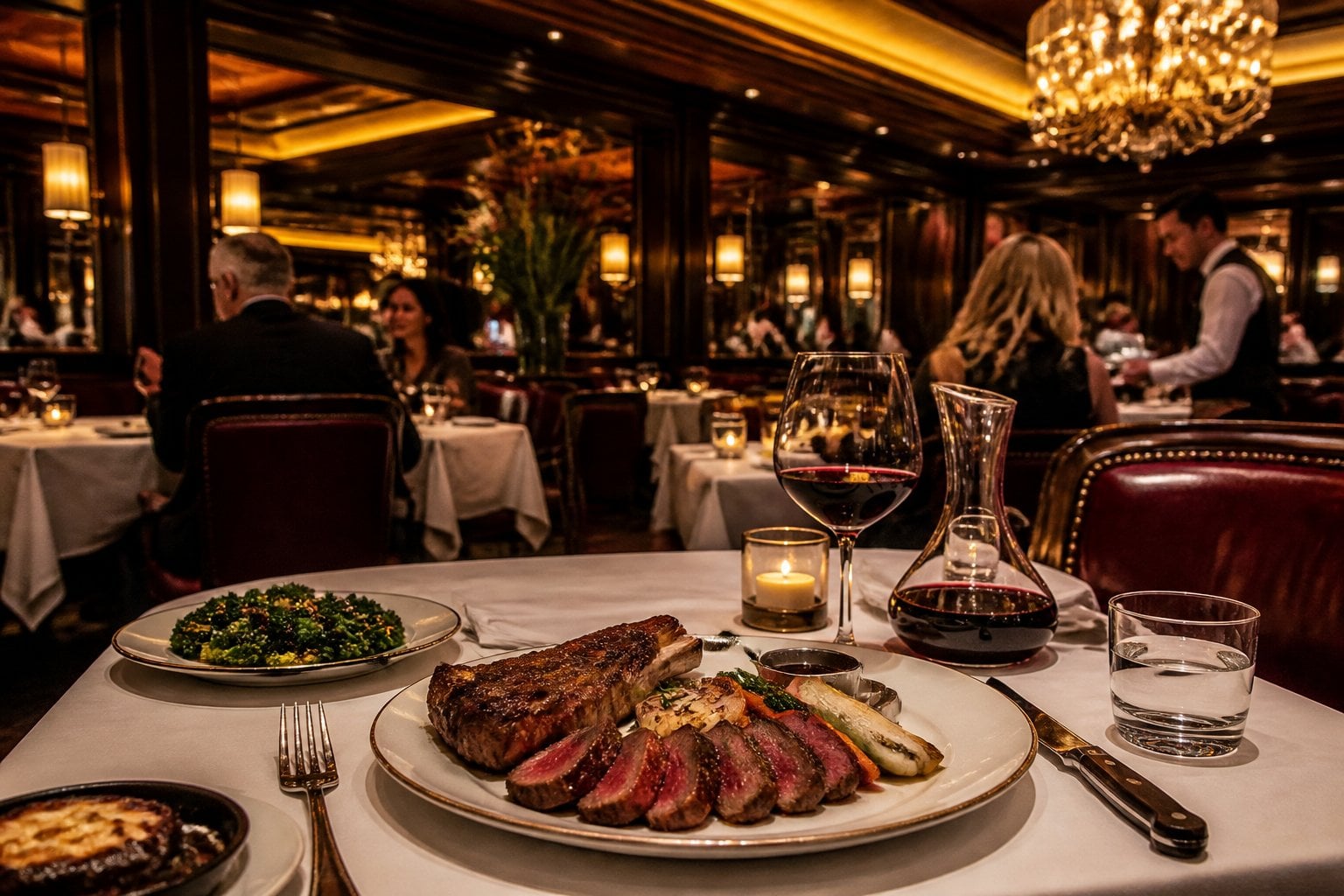
You’ll find Mastro’s on North Canon Drive, right in the Golden Triangle. It’s been a fixture of the Beverly Hills dining scene for two decades, and it still draws a steady mix of locals, tourists, and celebrities.
Inside, you get a dimly lit dining room, deep booths, and a pianist working the bar most nights. The atmosphere leans lively rather than quiet, so expect energy along with your meal.
Your order will likely center on prime steaks and fresh seafood, prepared with classic steakhouse technique. Sides and starters follow the same traditional formula, executed with consistency rather than experimentation.
For a more intimate setting, you can request the Penthouse, which offers rooftop views and a calmer mood than the main floor.
Prices sit at the high end of the Los Angeles market, reflecting the ingredients, service level, and location.
21. Spago, Beverly Hills
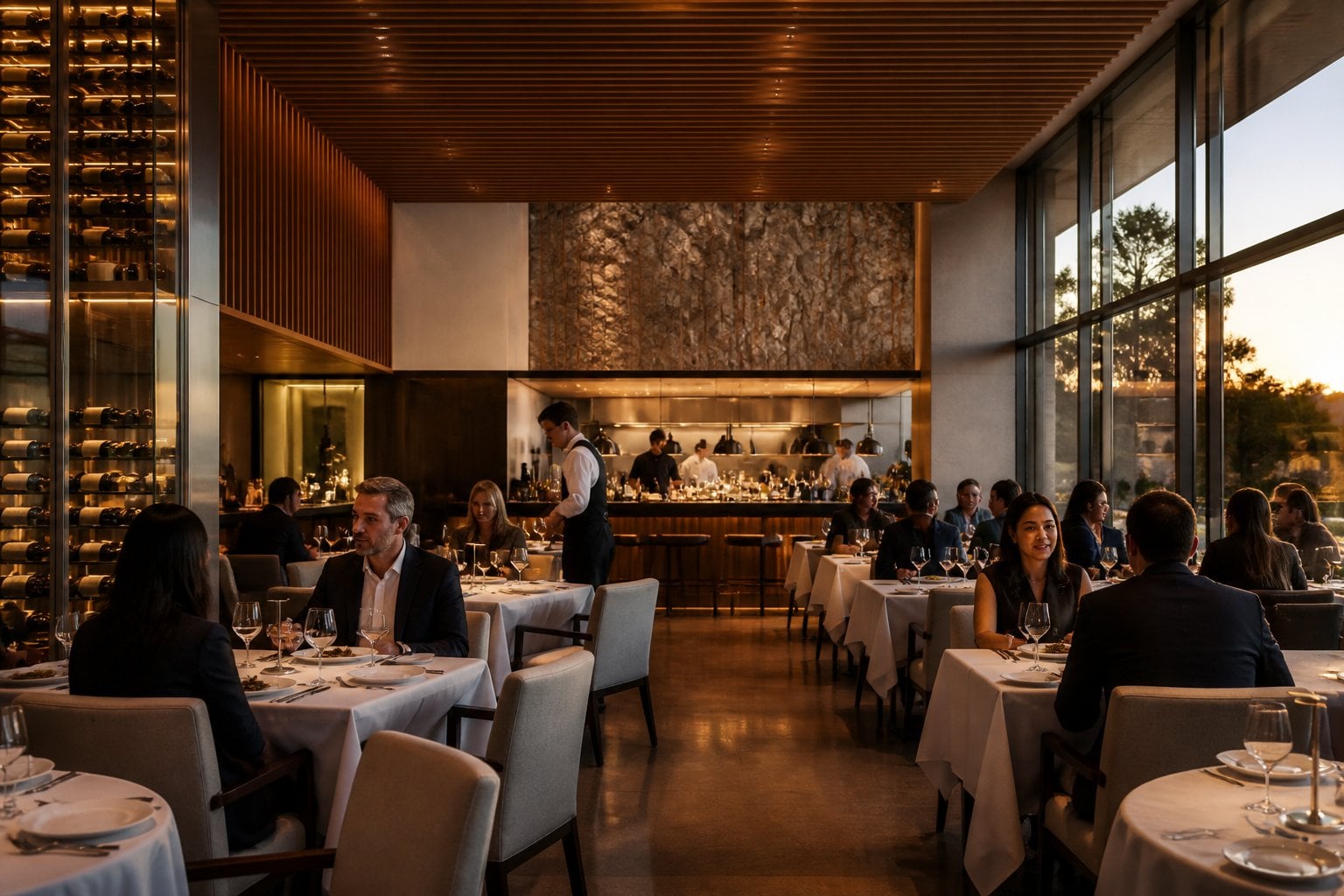
You’ll find Spago at the heart of Beverly Hills, and it remains Wolfgang Puck’s flagship restaurant. The menu centers on California cuisine, drawing on seasonal produce and global techniques.
You can choose between à la carte options or a full tasting menu, depending on how much time you want to spend at the table. Either way, you’re getting dishes built around fresh, local ingredients that change with the seasons.
Reviewers consistently point to the attentive service and refined atmosphere here. On Tripadvisor, Spago holds a 4.4 rating and ranks among the top restaurants in Beverly Hills.
Given its reputation and pricing, you should expect this to be a special-occasion choice rather than a casual dinner spot. The combination of Puck’s culinary background and the restaurant’s long-standing status in Los Angeles dining places it firmly among the city’s premium options.
22. The Restaurant at Meadowood, St. Helena
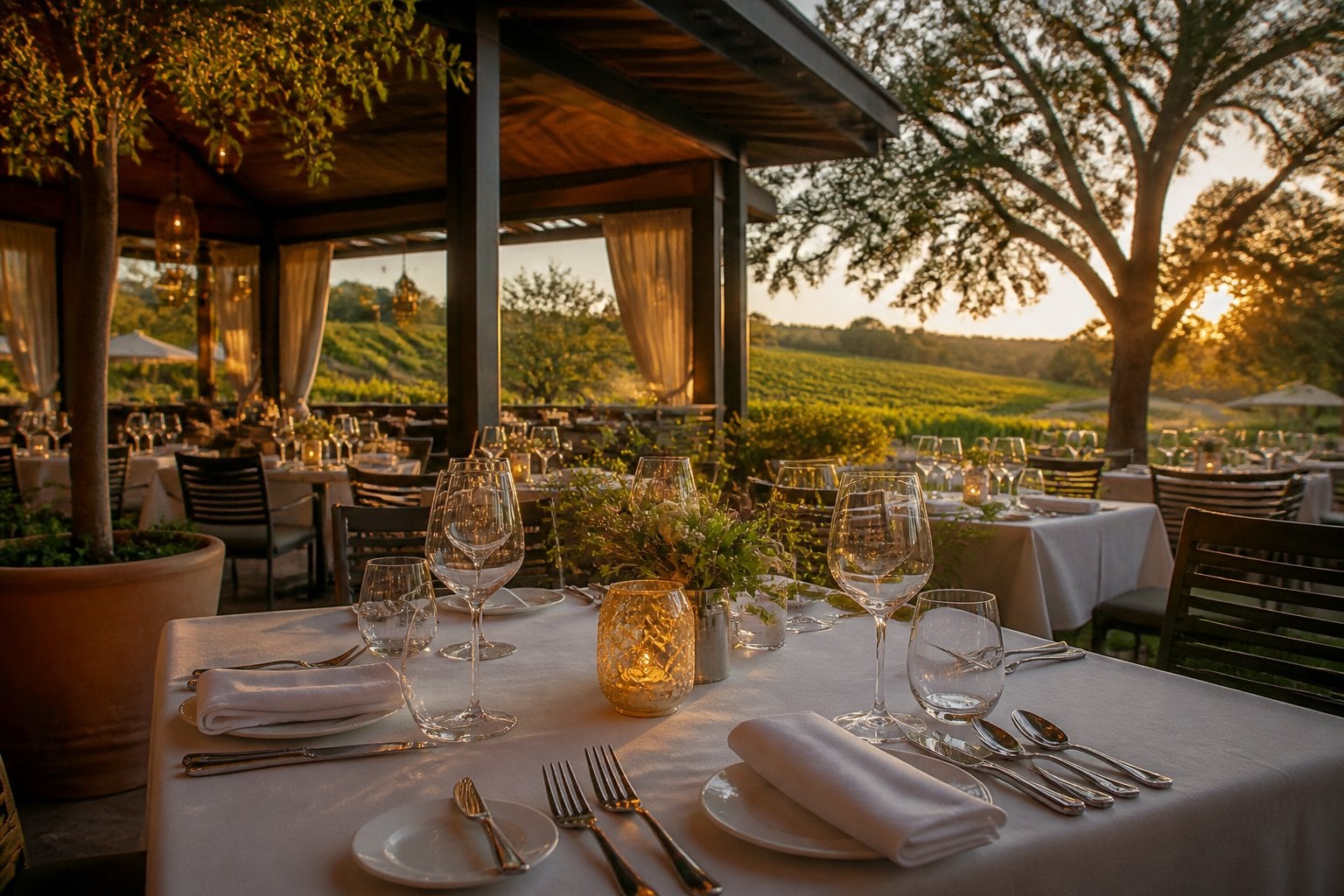
This St. Helena establishment closed its doors, but its reputation as one of California’s priciest dining destinations remains notable. You would have paid $350 for a ten-course dinner, with an option to extend to twenty courses for those seeking a longer experience.
Chef Christopher Kostow led the kitchen here, earning the restaurant three Michelin stars. That distinction placed it among only fifteen restaurants in North America to hold that rank.
You could expect Napa Valley cuisine built around local, seasonal ingredients. The tasting menu format meant you experienced a progression of small, detailed courses rather than a single entrée.
Located at 900 Meadowood Lane, the restaurant operated within the larger Meadowood resort property. Before its closure, it stood as a benchmark for high-end pricing in California’s competitive fine dining scene.
23. Benu, San Francisco
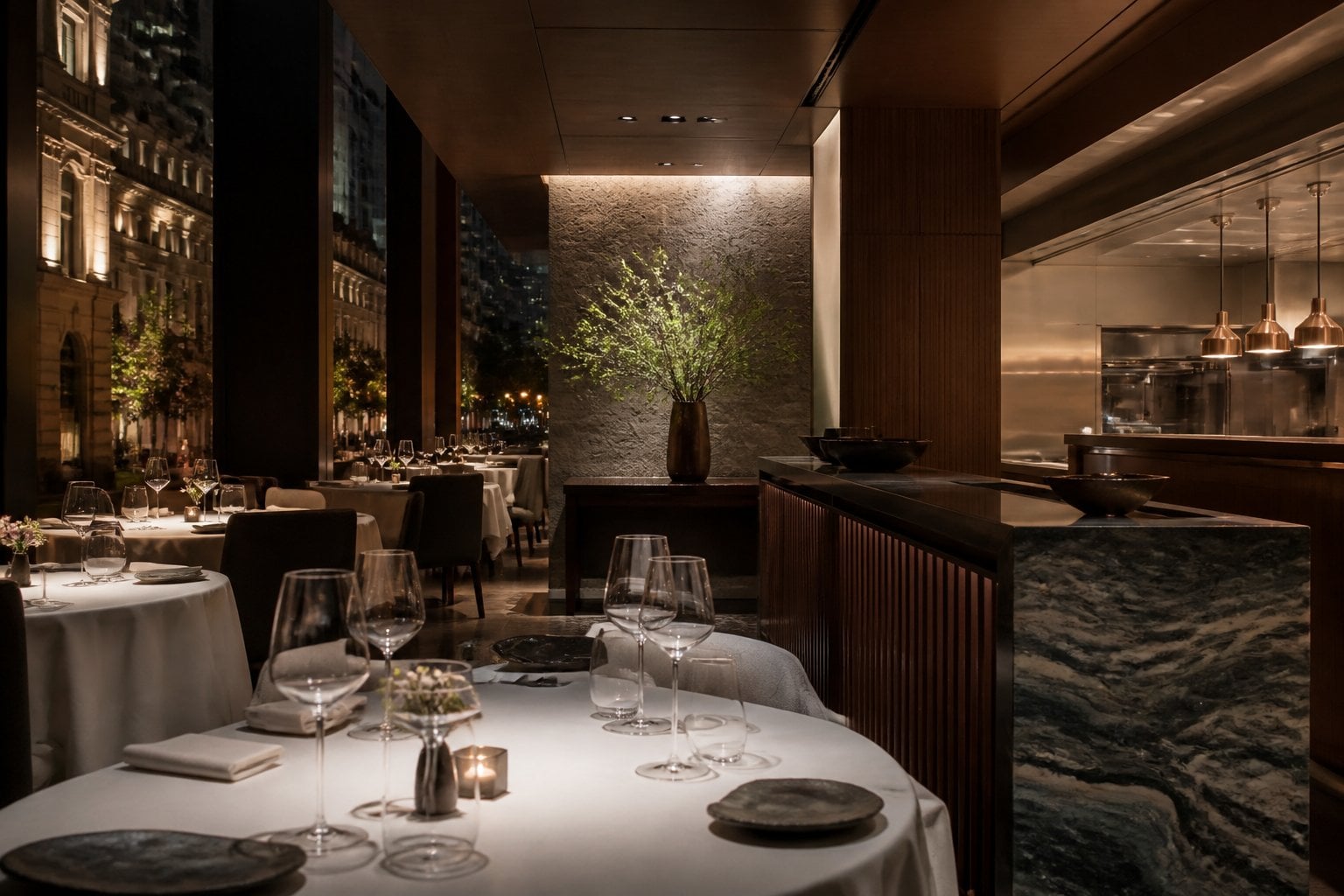
You’ll find Benu tucked into the SoMa district, where chef Corey Lee has built one of the most technically precise dining rooms in California. This was the first restaurant in San Francisco to earn three Michelin stars, and that recognition still shapes expectations before you even sit down.
Your meal unfolds through a tasting menu that blends French technique with Chinese and Korean influences. Expect dishes like faux shark’s fin soup or xiao long bao, reworked with a level of precision you won’t find elsewhere.
You should plan on spending well over $300 per person once wine pairings are added. The experience runs several hours, so you’ll want to clear your evening.
If you’re drawn to kitchens that value discipline over spectacle, Benu gives you a clear sense of why patience and technical mastery define its reputation.
24. Quince, San Francisco
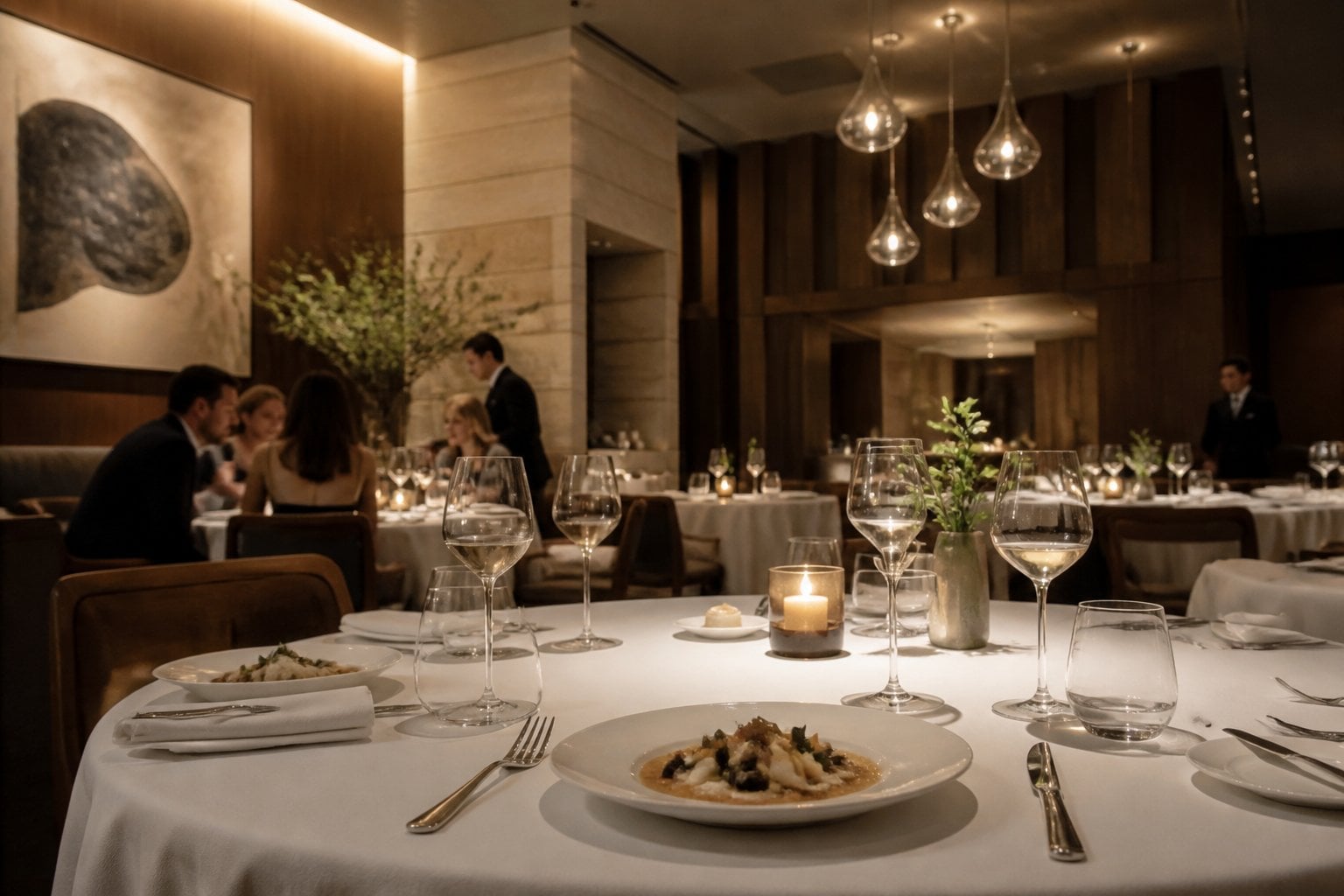
You’ll find Quince in Jackson Square, housed in a landmarked 1907 brick building that adds character to your dining experience. Chef Michael Tusk and his wife Lindsay opened the restaurant in 2003, and it now holds three Michelin stars.
Your meal centers on a tasting menu that blends Italian and French techniques with California ingredients. Expect handmade pasta, seasonal produce from local farmers, and refined plating throughout each course.
You should budget around $295 per person for the tasting menu, not including wine pairings, making it one of the priciest options in the city. A 2023 renovation gave the space a more polished, contemporary look while keeping its historic bones intact.
If you’re looking for a special-occasion restaurant with a strong reputation and consistent quality, Quince gives you a dependable, high-end choice in San Francisco’s fine dining scene.
25. Californios, San Francisco
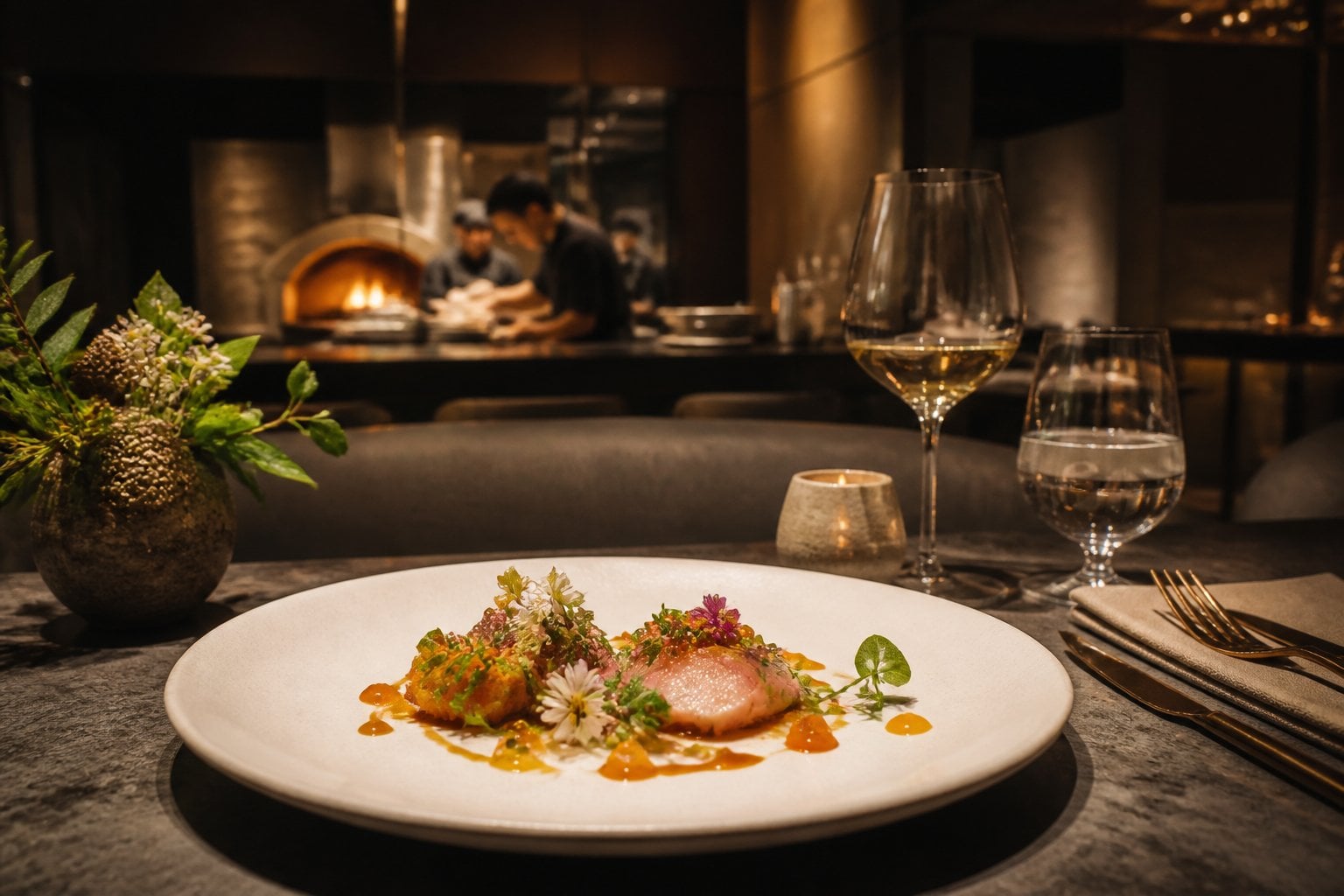
Californios earned three Michelin stars in June 2026, making it the first Mexican restaurant in the world to achieve that rank. You’ll find it in SoMa, led by chef Val Cantú, whose menu draws on his family’s Mexican cooking traditions alongside seasonal ingredients from Northern California farms.
Every dish credits the farmer or purveyor behind it, so you get a clear sense of where the food comes from. The tasting menu structure means you’re committing to a full progression of courses rather than ordering à la carte.
The masa tasting runs $390 per person, placing it among the priciest dining experiences in the state. Despite the accolades, you’ll notice the atmosphere stays relatively unpretentious compared to other three-star establishments. Reservations are competitive, so you should plan well ahead if you want a table.
26. Gary Danko, San Francisco
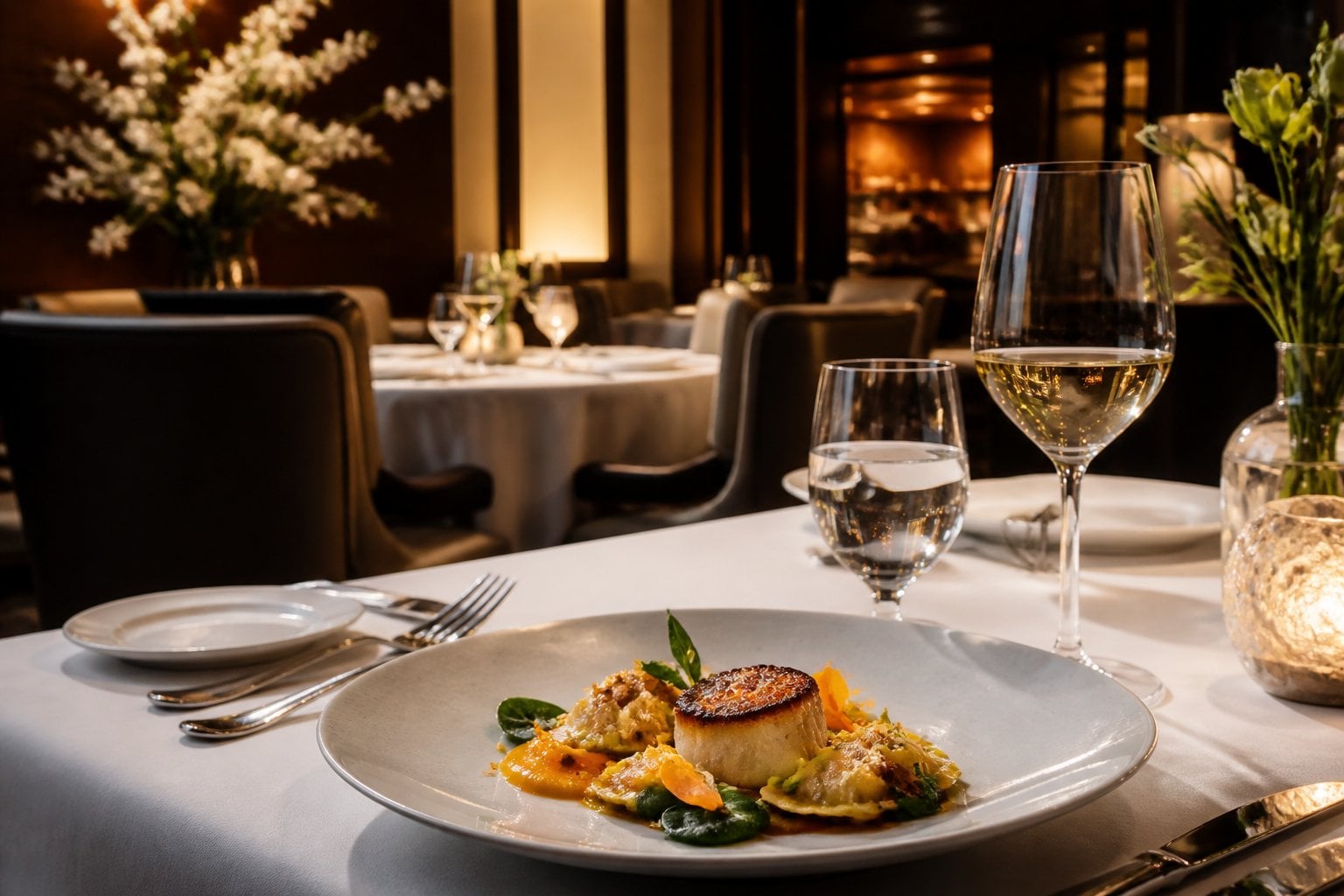
You’ll find this restaurant near Fisherman’s Wharf, where it has operated since 1999. It holds a Michelin star and remains one of the city’s established fine dining destinations.
Your meal here follows a flexible format. You choose three, four, or five courses, building your own menu rather than following a fixed tasting sequence. Prices run from $87 for three courses to $124 for five, with supplements for premium items.
You can expect a cheese cart brought directly to your table, offering around 20 selections. This is one of the restaurant’s signature touches and sets it apart from many competitors.
Service is a defining feature of your experience here. Reviews consistently point to attentive, polished staff and a refined atmosphere that suits special occasions like anniversaries.
You should book ahead, since demand for tables remains high even decades after opening.
27. Manresa, Los Gatos
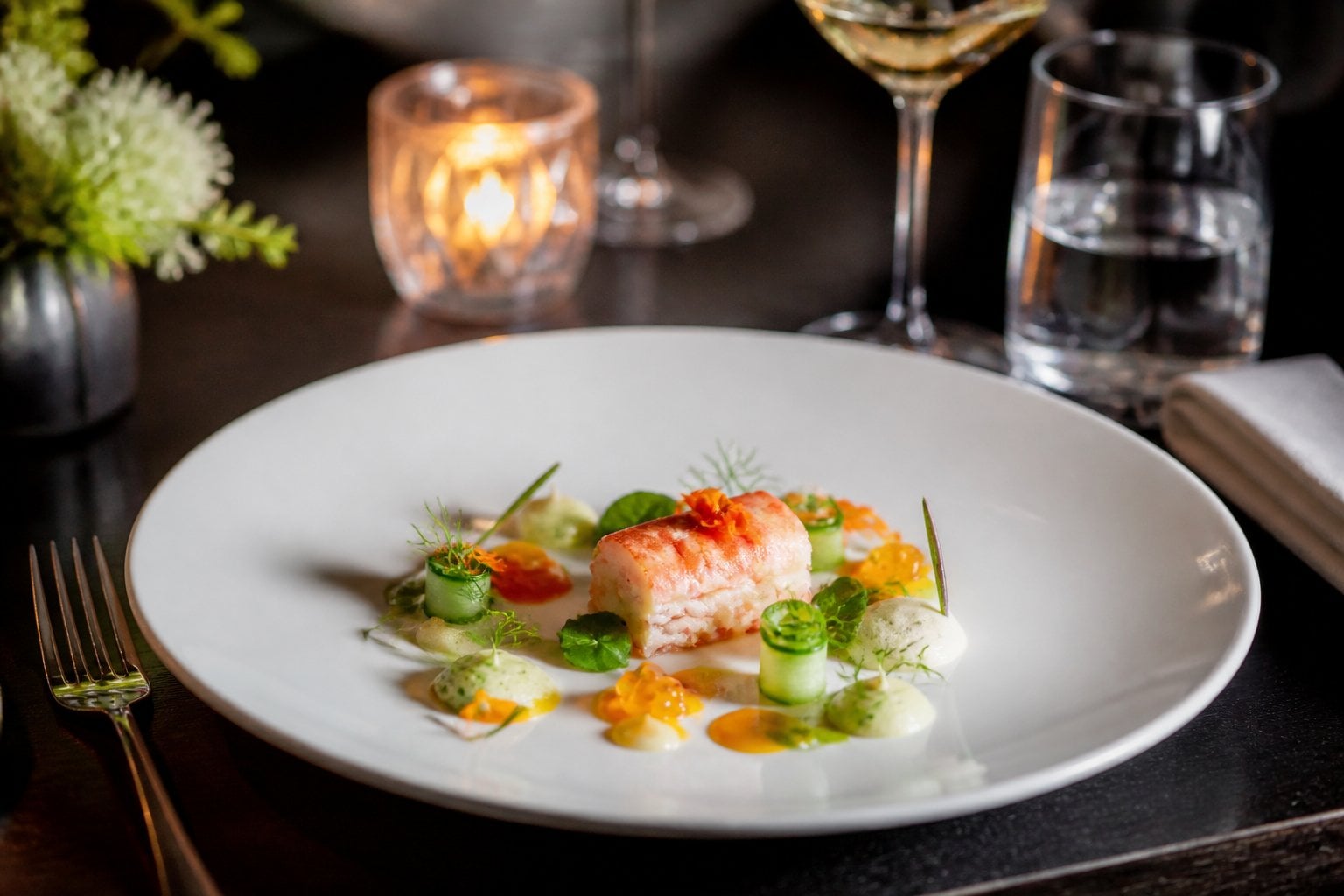
Manresa built its reputation on contemporary California cuisine that leaned heavily on local, seasonal produce. Chef David Kinch opened the restaurant in 2002 and earned it three Michelin stars over the following two decades.
You could expect tasting menus priced around $295 per person, with wine pairings adding roughly $235 more. The restaurant’s close partnership with Love Apple Farms, a biodynamic farm, shaped much of the vegetable-forward menu.
The dining room reflected the food’s understated character, with neutral tones and quiet lighting rather than ostentatious design. This approach earned Manresa a spot on the World’s 50 Best Restaurants list in 2012.
Manresa closed permanently on December 31, 2022, after 20 years in operation. Since then, Los Gatos has had no Michelin-starred restaurants, though Kinch has continued to appear in pop-up events tied to the restaurant’s legacy.
28. Chez Panisse, Berkeley
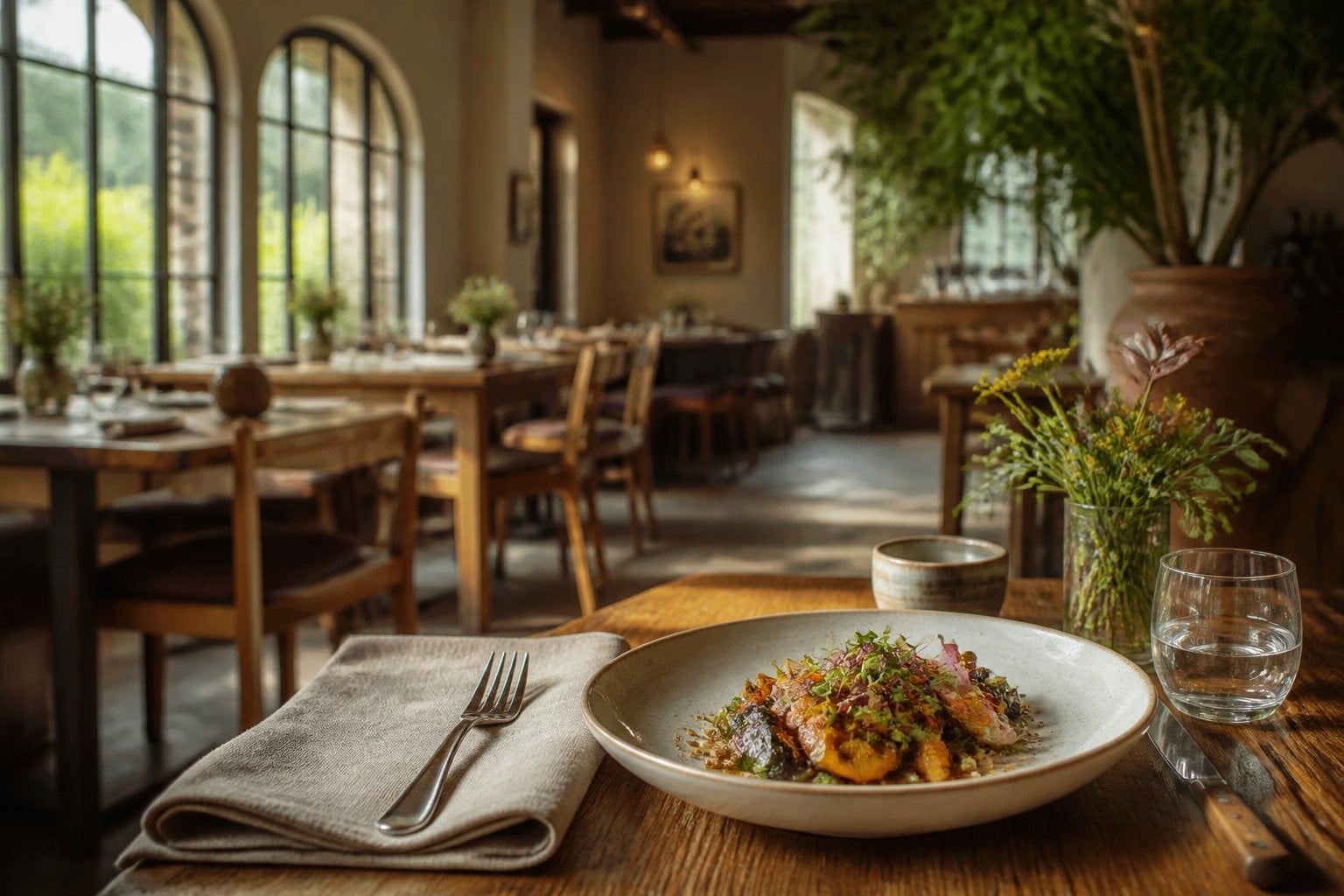
Chez Panisse sits at 1517 Shattuck Ave in Berkeley, and it holds a place in American food history as a pioneer of the farm-to-table movement. You’ll find a four-course prix fixe dinner in the main restaurant, priced at $175 per person before drinks, tax, and service.
The menu changes daily, built around whatever produce is in season. You won’t get much choice within the set structure, but the ingredients are sourced with real precision.
Upstairs, the Café offers a more relaxed and less expensive alternative, with dishes like the seasonal fruit galette as a recurring favorite.
Reservations require some planning, since seatings run at 5:30–6:15 p.m. and 7:45–8:45 p.m. You should expect a quieter, more traditional dining room rather than a flashy or trend-driven atmosphere.
29. The Progress, San Francisco
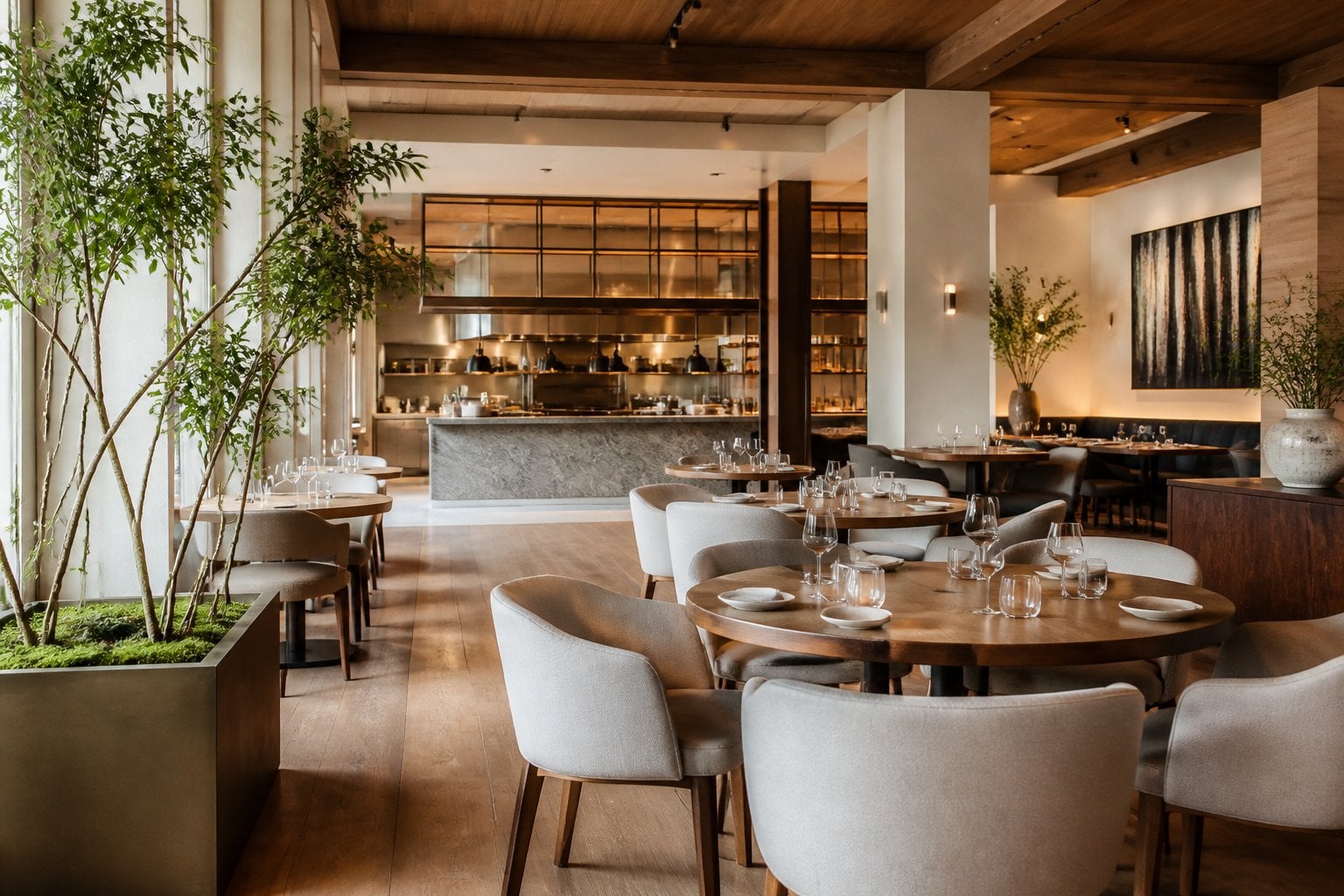
The Progress sits on Fillmore Street, just next door to its sister restaurant State Bird Provisions. It earned a Michelin star for its shareable, family-style menu that changes seasonally.
You’ll notice the format here departs from typical fine dining. Instead of individual courses, you order a set of dishes meant to be passed around your table, encouraging a communal approach to the meal.
The menu draws on Californian ingredients with global techniques woven throughout. You can expect dishes built around seasonal produce, meats, and seafood, each prepared with precision.
Prices reflect the caliber of ingredients and the level of craft behind each plate. Wine pairings are available if you want to elevate the experience further.
The dining room itself carries a modern, understated design that puts the focus back on the food. For those seeking inventive cooking without excessive formality, The Progress delivers a distinct version of upscale dining.
30. Lazy Bear, San Francisco
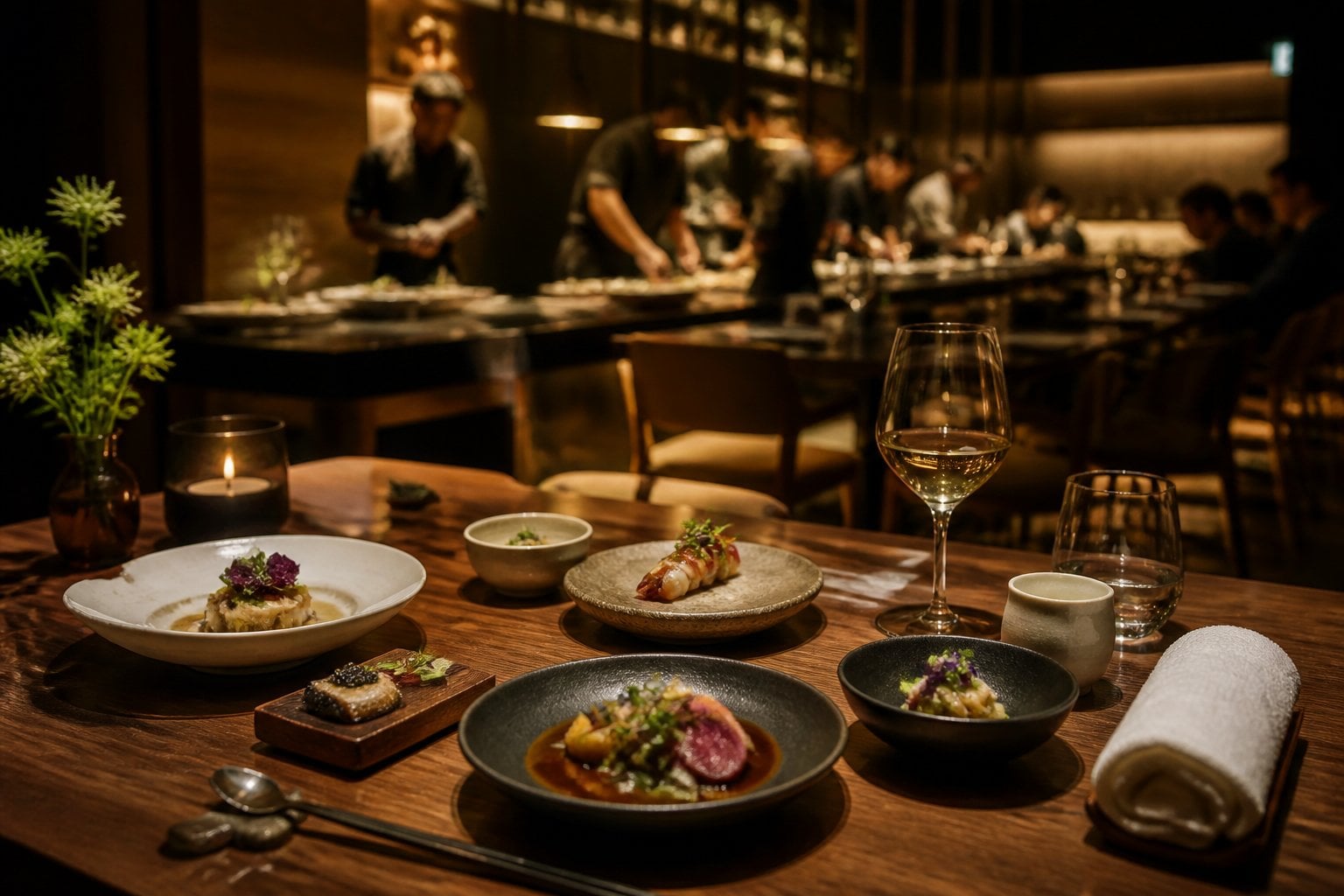
You’ll find Lazy Bear tucked into the Mission District at 3416 19th Street, holding two Michelin stars for its modern American tasting menu. The format feels less like a typical restaurant and more like a dinner party, with an open kitchen that puts the cooking process on display.
Expect to pay a base price around $130 for the tasting menu, though wine pairings and add-ons can push your total closer to $195 or higher. Some diners report spending upwards of $600 depending on selections and pairings.
Reservations are required well in advance, and parking near the venue can be difficult. The menu draws on nostalgic American flavors, reimagined through a refined, inventive lens that has earned it a consistent spot among the state’s top dining destinations.
Understanding California Fine-Dining Pricing
Prices at California’s top restaurants vary based on ingredients, chef reputation, and location, with additional charges for wine and service adding significantly to your final bill. Knowing what drives these costs helps you budget accurately before making a reservation.
What Drives Tasting Menu Costs
Tasting menu prices reflect several factors beyond the food on your plate.
Ingredient sourcing plays a major role. Restaurants using rare seafood, imported truffles, or wagyu beef pass those costs directly to you.
Michelin recognition also raises prices substantially. Three-starred establishments like Atelier Crenn command premiums that reflect their reputation and the precision required to maintain that status.
Location matters too. San Francisco and Los Angeles venues typically charge more than restaurants in smaller California cities, since rent and labor costs run higher in these markets.
Course count affects your total as well:
- Shorter menus (6-8 courses): often $200-$300
- Extended menus (12+ courses): frequently exceed $350-$400
Seasonal ingredients can shift pricing throughout the year, so the amount you pay in winter may differ from summer rates at the same restaurant.
How Wine Pairings and Service Charges Affect the Bill
Your tasting menu price rarely represents your final cost. Wine pairings typically add $150-$250 per person, depending on the caliber of selections offered.
Some restaurants offer tiered pairing options, letting you choose between standard and reserve-level wines. This gives you control over how much you add to your base menu cost.
Service charges compound the total further. Many California fine-dining establishments now include an automatic 20% service charge, while others add a separate “hospitality fee” ranging from 3-5%.
Sales tax applies on top of these charges, adding another 7.25-10.75% depending on your specific location within the state. When you combine a $300 tasting menu with wine pairings and service fees, your actual bill can reach $500-$600 per person before tax.
Planning a Luxury Dining Experience
Booking a table at California’s top restaurants takes more preparation than a standard dinner reservation. You’ll need to understand deposit requirements, cancellation windows, and dress codes before you arrive.
Reservations, Deposits, and Cancellation Policies
Most high-end restaurants in California release reservations 30 to 60 days in advance, and popular spots like Saison or The French Laundry often sell out within minutes. You should create accounts on platforms like Tock or Resy ahead of time so you’re ready when booking opens.
Many tasting-menu restaurants require prepayment for your meal at the time of booking. This deposit typically covers the full prix fixe price, sometimes excluding wine pairings, tax, and gratuity.
Cancellation policies are strict. You’ll usually need to cancel 48 to 72 hours in advance to receive a refund or avoid a charge.
Some key points to check before booking:
- Deposit amount: Ranges from a per-person fee to the full menu price.
- Cancellation window: Often 48-72 hours; late cancellations may forfeit your deposit.
- Party size flexibility: Many restaurants won’t accommodate size changes after booking.
- Waitlists: Common for last-minute openings, especially on weekends.
Dietary Accommodations and Dress Expectations
You should notify the restaurant of any allergies or dietary restrictions when you book, not when you arrive. Tasting menus are often planned days in advance, so last-minute changes can be difficult or impossible to accommodate.
Vegetarian or vegan alternatives exist at most fine dining establishments, but they may require 24-48 hours’ notice. Severe allergies, such as shellfish or nut allergies, should be communicated directly to staff by phone.
Dress codes vary by restaurant but generally lean toward smart casual to formal. Some restaurants explicitly prohibit shorts, flip-flops, or athletic wear.
You’ll find that a few establishments, particularly those in wine country or coastal settings, allow slightly more relaxed attire, but collared shirts and closed-toe shoes remain a safe standard.


