
What Is a Fire Watch and When Is It Legally Required?
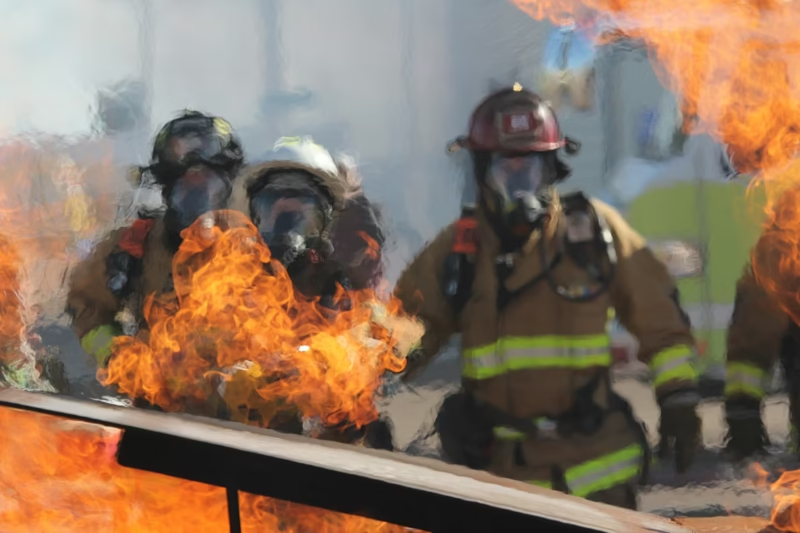
Fire safety is one of the most critical responsibilities for any business, property owner, or construction manager. While modern buildings rely heavily on automated systems like fire alarms and sprinklers, there are situations where these systems are temporarily unavailable or insufficient. In those moments, a fire watch becomes not just important but legally required.
Understanding what a fire watch is, when it must be implemented, and how it protects both people and property is essential for staying compliant and avoiding serious risk.
What Is a Fire Watch?
A fire watch is a temporary safety measure that involves trained personnel actively monitoring a building or site for signs of fire hazards. Unlike automated systems, fire watch guards provide continuous human oversight, ensuring that any potential fire risk is identified and addressed immediately.
These professionals are responsible for:
- Patrolling designated areas at regular intervals
- Identifying fire hazards such as exposed wiring, flammable materials, or equipment malfunctions
- Keeping detailed logs of inspections and incidents
- Alerting emergency services in the event of a fire
- Assisting with evacuation procedures if necessary
In essence, a fire watch acts as a critical backup system when traditional fire protection measures are compromised.
When Is a Fire Watch Legally Required?
Fire watch services are not optional in many scenarios, they are mandated by fire codes and safety regulations, particularly those outlined by the National Fire Protection Association.
Below are the most common situations where a fire watch is legally required:
1. Fire Alarm or Sprinkler System Failure
If a building’s fire alarm or sprinkler system becomes inoperable due to maintenance, malfunction, or damage, local fire codes typically require immediate action.
In these cases, a commercial fire watch must be implemented to ensure the property remains under continuous surveillance until the system is fully restored. This requirement helps reduce the risk of undetected fires during vulnerable periods.
2. Construction and Hot Work Activities
Construction sites are inherently high-risk environments, especially when activities like welding, cutting, or grinding (known as “hot work”) are involved.
A fire watch is often required:
- During active hot work operations
- Immediately after work is completed (for a specified monitoring period)
- When temporary hazards increase fire risk
This ensures that sparks or residual heat do not ignite nearby materials.
3. Occupied Buildings Without Operational Fire Systems
If a building remains occupied while its fire protection systems are offline, regulations typically require a fire watch to safeguard occupants.
This applies to:
- Office buildings
- Hotels and residential complexes
- Retail spaces and shopping centers
Failure to provide adequate monitoring in these situations can result in fines, shutdowns, or liability exposure.
4. Code Violations or Orders from Fire Authorities
In some cases, local fire departments or inspectors may issue a fire watch order if a property is found to be non-compliant with safety regulations.
This may occur when:
- Fire systems are outdated or improperly maintained
- Hazards are identified during inspections
- Emergency repairs are delayed
Property owners are legally obligated to comply immediately.
5. Special Events and Temporary Installations
Large gatherings, festivals, or temporary structures may also require fire watch services, particularly when:
- Fire safety systems are limited or absent
- High occupancy increases risk
- Temporary electrical or cooking equipment is used
In these scenarios, fire watch personnel provide an added layer of protection for both organizers and attendees.
What Do Fire Watch Guards Actually Do?
Fire watch guards are more than just observers, they play an active role in preventing emergencies.
Their responsibilities typically include:
- Conducting continuous or scheduled patrols
- Monitoring fire-prone areas and equipment
- Ensuring exits remain clear and accessible
- Maintaining communication with building management
- Contacting emergency services at the first sign of danger
They also document all activities in detailed logs, which can be critical for compliance and insurance purposes.
The Risks of Not Having a Fire Watch
Failing to implement a fire watch when required can have serious consequences, including:
- Legal penalties: Fines or enforced shutdowns by local authorities
- Insurance issues: Claims may be denied if proper precautions weren’t taken
- Increased liability: Property owners may be held responsible for damages or injuries
- Safety risks: Delayed detection of fires can lead to catastrophic outcomes
In many cases, the cost of non-compliance far outweighs the cost of hiring professional fire watch services.
Fire Watch vs. Fire Protection Systems
While automated systems are essential, they are not infallible. Fire watch services provide a human layer of protection that technology alone cannot replicate.
Key differences include:
- Human judgment: Guards can identify unusual risks that sensors may miss
- Flexibility: Fire watch can adapt to changing site conditions
- Immediate response: Faster reaction to emerging hazards
Rather than replacing fire systems, fire watch services complement and reinforce overall safety strategies.
Staying Compliant and Protected
Fire safety regulations are designed to protect lives and property, but compliance requires proactive planning. Whether you’re managing a commercial property, overseeing a construction site, or organizing a large event, understanding when a fire watch is required is essential.
Partnering with experienced professionals ensures that your site remains compliant, monitored, and prepared—no matter the circumstances.
Final Thoughts
A fire watch is not just a temporary precaution, it’s a critical safeguard during times of increased risk. From system failures to construction activities, these services play a vital role in maintaining safety and meeting legal obligations.
By understanding when and why a fire watch is required, businesses and property owners can take the necessary steps to protect their assets, their people, and their reputation.


