The Best Hybrid Cars for Fuel Efficiency and Reliability in 2026: Top Models Ranked and Reviewed
Hybrid vehicles have evolved significantly, and the 2026 model year brings impressive advances in both fuel efficiency and long-term dependability.
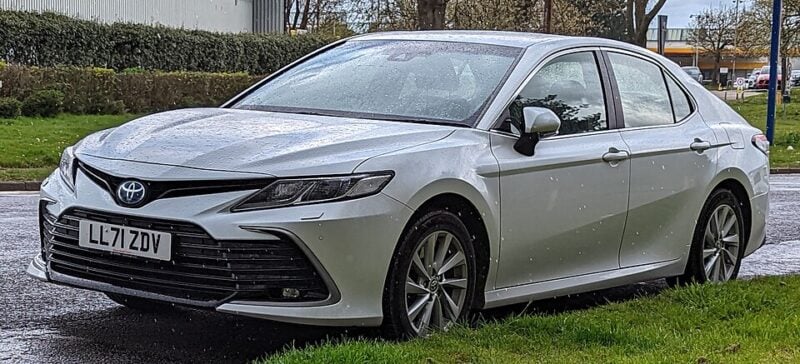
The top hybrid cars for 2026 include the Toyota Prius Prime, Toyota Prius HEV, Hyundai Elantra Hybrid, Kia Niro PHEV, and Toyota Camry HEV, with several models delivering over 50 mpg in real-world driving conditions.
These vehicles combine traditional gasoline engines with electric motors to reduce fuel consumption while maintaining the convenience of conventional refueling.
Choosing the right hybrid requires understanding how different technologies affect your daily driving experience and wallet. Your decision should factor in not just the advertised fuel economy numbers, but also how trim levels, wheel sizes, and driving habits impact actual performance at the pump.
This guide examines the technology behind modern hybrids, compares leading models across different vehicle categories, and breaks down what you need to know about ownership costs, safety features, and environmental benefits.
You’ll learn which factors most influence fuel efficiency and which 2026 hybrids offer the best combination of reliability, value, and performance for your specific needs.
Which hybrid is right for you? Make your choice after reading!
Understanding Hybrid Vehicle Technology
Hybrid vehicles combine a gasoline engine with an electric motor to deliver better fuel economy and lower emissions than conventional cars. The coordination between these power sources and the latest battery technology determines how efficiently your hybrid performs.
How Hybrid Powertrains Work
Your hybrid vehicle uses a sophisticated system that switches between the gasoline engine and electric motor based on driving conditions. At low speeds and during city driving, the electric motor handles propulsion while the gasoline engine remains off. This saves fuel during stop-and-go traffic where traditional engines are least efficient.
When you accelerate hard or drive at highway speeds, both the engine and motor work together to provide maximum power. The gasoline engine also acts as a generator to recharge the battery pack while you drive. Regenerative braking captures energy normally lost as heat during deceleration and converts it back into electricity for the battery.
A power control unit manages the flow of energy between the engine, motor, and battery to optimize efficiency. You won’t notice most of these transitions because the system operates seamlessly in the background.
Types of Hybrid Systems
Parallel hybrids allow both the engine and motor to power the wheels simultaneously or independently. Most modern hybrids like the Honda Civic and Toyota Camry use this configuration because it offers flexibility across different driving scenarios.
Series hybrids use the gasoline engine solely to generate electricity for the motor, which drives the wheels. This setup works well for city driving but is less common in passenger vehicles. Plug-in hybrids feature larger batteries that you can charge from an external power source, allowing 20-50 miles of electric-only driving before the gasoline engine engages.
Battery Innovations in 2026
Lithium-ion batteries remain the standard in 2026 hybrids, but manufacturers have improved energy density and charging speeds. You’ll find batteries that are 15-20% lighter than previous generations while storing more energy in the same physical space.
Some automakers now offer warranties covering hybrid batteries for 10 years or 150,000 miles, addressing previous concerns about long-term reliability. Thermal management systems have also improved, helping batteries maintain optimal operating temperatures in extreme weather conditions. These advancements mean your hybrid battery will degrade more slowly and maintain performance longer than older models.
Top Rated Hybrid Cars for 2026
The Toyota Prius Prime leads efficiency rankings with over 50 mpg capability, while the Honda Civic Hybrid delivers exceptional reliability backed by Honda’s proven track record. New releases like the redesigned Camry Hybrid offer compelling packages that balance performance with economy.
Most Fuel-Efficient Models
The top fuel-efficient hybrids delivering over 50 mpg include the Prius Prime, standard Prius HEV, Elantra Hybrid, Niro PHEV, and Camry HEV. Your actual mileage will vary based on trim choice, wheel size, and how consistently you charge plug-in models.
The Toyota Prius Prime stands at the top of efficiency rankings. It combines electric-only range for daily commutes with hybrid backup for longer trips. The standard Prius HEV follows closely, offering similar efficiency without requiring plug-in charging.
Hyundai Elantra Hybrid provides sedan practicality with impressive economy figures. You get a traditional trunk layout and comfortable seating while achieving mileage numbers that rival smaller vehicles. The Kia Niro PHEV delivers similar technology in a crossover body style that many buyers prefer.
Your choice between these models depends on whether you can charge regularly. Plug-in hybrids reward consistent charging with the best efficiency, while standard hybrids work well if charging isn’t practical for your situation.
Highest Reliability Scores
Honda’s hybrid offerings earn top marks for dependability. The Honda Civic and Accord hybrids benefit from the manufacturer’s decades of hybrid development and proven dual-motor system.
Toyota hybrids maintain their reputation for longevity. The Camry Hybrid uses battle-tested technology that has accumulated millions of trouble-free miles across various models. You can expect minimal maintenance beyond regular oil changes and tire rotations.
Hyundai’s hybrid warranty provides additional peace of mind with coverage that exceeds most competitors. The brand has invested heavily in hybrid development, and recent models show improved quality metrics. Battery degradation remains minimal even after years of use across the hybrid lineup.
Japanese manufacturers continue to dominate reliability rankings. Their longer experience with hybrid systems translates to fewer unexpected repairs and better resale values when you’re ready to upgrade.
Best New Releases
The 2026 Honda Civic Hybrid represents a significant update to Honda’s compact sedan. You now get hybrid efficiency in a sporty package that doesn’t compromise on driving dynamics. The system integrates seamlessly with no performance penalty during acceleration.
Toyota redesigned the Camry as a hybrid-only model for 2026. This strategic shift means you benefit from refined hybrid technology across all trim levels. The update includes improved rear seat space and a more upscale interior than previous generations.
Hyundai’s Elantra Hybrid continues to offer exceptional value. You receive extensive standard features, strong warranty coverage, and efficiency that matches pricier competitors. The cabin materials feel more premium than the price suggests.
These new releases show manufacturers are investing in hybrid technology rather than treating it as a stopgap measure. You get better integration, improved performance, and more refined operation compared to earlier hybrid generations.
Editor’s Choice Comparisons
The Prius Prime wins if maximum fuel economy is your priority. You sacrifice some conventional styling for unmatched efficiency and low operating costs. Honda Civic Hybrid appeals to drivers who want efficiency without giving up engaging handling.
Your budget might make the Elantra Hybrid the smart choice. It delivers comparable efficiency to pricier alternatives while including features that cost extra elsewhere. The Camry Hybrid suits families needing more interior room without fuel economy compromises.
Testing teams evaluate over 200 data points when rating these vehicles. Performance, fuel economy, interior quality, value, and safety all factor into their recommendations. You should prioritize the factors that matter most for your driving needs rather than chasing the highest efficiency number alone.
Factors Affecting Fuel Efficiency
Hybrid vehicles achieve varying fuel economy based on their powertrain architecture, operational settings, and physical design characteristics. Battery and electric motor size play a significant role, along with how efficiently the vehicle cuts through air and manages weight.
Engine Design and Configuration
The type of hybrid system in your vehicle determines how effectively it uses gasoline and electricity. Full hybrids with larger batteries and more powerful electric motors can store additional electricity and deliver greater electric-only driving range than mild hybrid systems.
Plug-in hybrids offer even larger battery packs, allowing you to drive 20 to 50 miles on electricity alone before the gasoline engine activates. This configuration works best if you charge regularly and keep most trips within electric range.
The way the gasoline engine and electric motor work together also matters. Series hybrids use the engine primarily as a generator, while parallel hybrids can power the wheels with either or both power sources. Series-parallel systems like Toyota’s Hybrid Synergy Drive combine both approaches for optimal efficiency across different speeds and loads.
Engine displacement and compression ratios are specifically tuned for hybrid operation, often using an Atkinson cycle rather than the traditional Otto cycle to maximize thermal efficiency.
Impact of Driving Modes
Your selected driving mode directly changes how the hybrid system balances power and efficiency. Eco mode prioritizes fuel economy by limiting throttle response, reducing climate control output, and maximizing electric motor usage during acceleration.
Normal mode provides balanced performance and efficiency for everyday driving conditions. Sport mode delivers quicker acceleration but reduces fuel economy by keeping the gasoline engine running more frequently and at higher RPMs.
EV mode in plug-in hybrids forces electric-only operation until the battery depletes to a minimum threshold. This mode delivers the highest efficiency for short trips but becomes unavailable once battery charge drops below the required level.
Driving habits significantly influence actual fuel economy in hybrid vehicles. Gentle acceleration, anticipating stops, and maintaining steady speeds help regenerative braking capture more energy and reduce gasoline consumption.
Aerodynamics and Weight Reduction
Your hybrid’s shape determines how much energy gets wasted pushing through air at highway speeds. Manufacturers use smooth underbody panels, active grille shutters, and optimized rooflines to reduce drag coefficients below 0.25 in many modern hybrids.
Lower ride heights and specially designed wheels with partial covers further improve airflow around the vehicle. Even small details like flush door handles and streamlined side mirrors contribute measurable improvements to fuel economy at speeds above 50 mph.
Weight reduction remains critical since hybrids already carry heavy battery packs. Engineers use high-strength steel, aluminum body panels, and composite materials to offset battery weight without compromising safety.
Trim choice and wheel size greatly impact real-world fuel economy. Larger wheels with wider tires increase rolling resistance and rotational mass, reducing efficiency by 2-4 mpg compared to base wheel options.
Reliability: What to Expect from 2026 Hybrids
Hybrid vehicles for 2026 come with comprehensive warranty coverage that typically exceeds conventional vehicles, while battery technology has matured to deliver 10-15 years of dependable service. Established manufacturers like Toyota and Honda continue to lead in long-term durability metrics.
Warranty and Maintenance Considerations
Most 2026 hybrid models include powertrain warranties ranging from 8 to 10 years or 100,000 miles, with some manufacturers extending battery-specific coverage beyond these limits. You’ll find that hybrid-specific components often receive better protection than standard vehicle parts.
Maintenance costs for hybrids tend to be lower than conventional vehicles since regenerative braking reduces wear on brake pads and rotors. You can expect brake components to last 2-3 times longer than traditional systems. However, you should budget for periodic battery coolant system checks and inverter inspections.
The hybrid system itself requires minimal intervention beyond software updates at dealership service intervals. You’ll still need regular oil changes, though some hybrid engines operate less frequently and may extend these intervals slightly.
Long-Term Battery Performance
Modern hybrid batteries in 2026 models are designed to retain 70-80% of their capacity after 10 years of typical use. Battery longevity records show that well-maintained hybrid batteries frequently exceed 150,000 miles without significant degradation.
Temperature management systems in current hybrids protect battery packs from extreme heat and cold, the primary factors that accelerate capacity loss. You won’t need to replace the battery pack during normal ownership periods for most drivers.
Battery replacement costs have decreased significantly, now ranging from $2,000 to $4,000 for most hybrid models if needed outside warranty coverage. Many manufacturers offer battery health monitoring through vehicle apps, allowing you to track performance metrics in real-time.
Brand Reputation for Dependability
Toyota and Honda maintain the strongest track records for hybrid reliability, with their systems proven across millions of vehicles over two decades. The Toyota Prius and Honda Civic and Accord hybrids consistently rank among the most dependable options available.
Hyundai has emerged as a strong competitor in hybrid reliability, offering competitive warranties and demonstrating improved durability scores. The Hyundai Elantra Hybrid represents this manufacturer’s commitment to quality in the hybrid segment.
Ford and Jeep have expanded their hybrid offerings, though their long-term reliability data remains limited compared to Japanese manufacturers. You should consider these brands carefully if maximum dependability is your priority, as their hybrid-specific track records are still developing.
Cost of Ownership and Value
Hybrid vehicles require careful financial analysis beyond their window sticker prices. The best hybrid cars for the money balance upfront costs with long-term savings from fuel economy and lower maintenance needs.
Purchase Price and Incentives
Hybrid vehicles typically cost $2,000 to $8,000 more than their conventional gasoline counterparts. The 2026 Toyota Corolla Hybrid starts at $24,975, representing a modest premium for hybrid technology. Models like the Honda Civic Hybrid and Hyundai Elantra Hybrid occupy similar price ranges.
Federal tax credits don’t apply to standard hybrids, only plug-in hybrid models. However, some states offer rebates or HOV lane access for hybrid owners. You should check your local incentives before purchasing, as these benefits vary significantly by location.
The Toyota Prius has the lowest annual lifespan cost according to iSeeCars data, with an average list price of $34,330 and an expected lifespan of 12.0 years. This metric divides purchase price by years of expected service, giving you a clear picture of value over time.
Operating Costs and Savings
Hybrids that achieve over 40 mpg deliver substantial fuel savings compared to traditional vehicles. The Corolla Hybrid achieves 50 mpg combined, translating to hundreds of dollars saved annually depending on your driving habits and local fuel prices.
Maintenance costs for hybrids run lower than conventional cars due to regenerative braking reducing brake wear and less engine strain. You’ll replace brake pads less frequently and experience fewer oil changes with certain hybrid systems.
Some hybrids pay for themselves from the first fill-up when compared to similar non-hybrid models. The fuel savings offset the purchase premium within 3-5 years for most drivers covering average annual mileage.
Depreciation Trends
Hybrids historically retain value better than gasoline-only vehicles due to sustained demand and fuel efficiency appeal. Toyota and Honda hybrids particularly show strong resale values after 5 years of ownership.
The reliability reputation of models like the Prius and Civic Hybrid supports their residual values. Battery degradation concerns have decreased as manufacturers extend warranties to 8-10 years, giving used car buyers more confidence.
Market conditions in 2026 favor hybrids as gas prices remain volatile and environmental awareness grows. You can expect stronger trade-in values when upgrading compared to conventional vehicles in the same segment.
Comparing Leading Models by Category
Different hybrid categories serve distinct needs, from compact cars that maximize fuel economy to spacious SUVs that balance efficiency with utility. Understanding which models excel in each segment helps you identify the right match for your driving requirements and budget.
Best Compact Hybrids
The 2026 Honda Civic Hybrid stands out among compact hybrid sedans and hatchbacks for its combination of efficiency and practicality. This model delivers impressive fuel economy while maintaining the sporty handling and refined interior that made the Civic a perennial favorite.
Toyota Prius remains a benchmark in the compact hybrid segment. You get exceptional gas mileage that outperforms most non-hybrid vehicles in any class, along with proven reliability that has defined the model for decades.
The Hyundai Elantra Hybrid offers strong value with generous standard features and warranty coverage. Its spacious cabin and comfortable ride make daily commuting more pleasant, while its fuel efficiency helps reduce your operating costs significantly.
Key Compact Hybrid Features:
- City fuel economy typically exceeds 50 mpg
- Lower starting prices compared to SUV hybrids
- Easier parking and maneuvering in urban environments
- Reduced maintenance costs over traditional vehicles
Top Hybrid SUVs
The Toyota RAV4 Hybrid combines practicality with efficiency in a package that suits families and active lifestyles. You benefit from ample cargo space, standard all-wheel drive, and fuel economy that rivals smaller sedans.
Honda CR-V Hybrid delivers refined performance and one of the most versatile interiors in its class. The model provides smooth acceleration from its hybrid powertrain while achieving better gas mileage than non-hybrid alternatives.
Mazda CX-50 Hybrid represents a newer entry that emphasizes driving dynamics alongside efficiency. You experience responsive handling and upscale interior materials that elevate the daily driving experience.
Ford Escape Hybrid offers competitive pricing and practical features that make it accessible for budget-conscious buyers. Its hybrid system provides adequate power for highway merging while maintaining respectable fuel economy in real-world conditions.
Best Family-Friendly Options
The Honda Accord Hybrid stands out as a midsize sedan that doesn’t sacrifice space for efficiency. You get a roomy rear seat that accommodates adults comfortably, plus a trunk large enough for family road trips, all while achieving over 45 mpg in combined driving.
Toyota Highlander Hybrid serves families needing three-row seating without the fuel penalty of traditional SUVs. This model seats up to eight passengers and includes comprehensive safety features as standard equipment.
Kia Sportage Hybrid balances size and efficiency for growing families. You receive modern technology features, comfortable seating for five, and cargo capacity that handles everything from grocery runs to weekend adventures. The warranty coverage provides additional peace of mind for long-term ownership.
Chrysler Pacifica Hybrid remains the only plug-in hybrid minivan available. You can complete short trips on electric power alone, reducing fuel costs for school runs and errands, while the spacious interior and family-focused features make longer journeys more manageable.
Safety Features and Technology Integrations
Modern hybrid vehicles prioritize occupant protection through comprehensive safety systems and smart technology that helps prevent collisions before they occur. The safest hybrid cars for 2026 combine IIHS Top Safety Pick+ awards with 5-star NHTSA ratings.
Standard Safety Systems
Every 2026 hybrid comes equipped with multiple airbags, anti-lock braking systems, and electronic stability control as baseline protection. You’ll find advanced high-strength steel frames and crumple zones designed to absorb impact energy in all major hybrid models.
Most manufacturers now include automatic emergency braking and forward collision warning as standard equipment rather than optional upgrades. Your hybrid likely features pedestrian detection systems that can identify people crossing in front of your vehicle and apply brakes automatically if needed.
Rearview cameras are mandatory, but many 2026 hybrids add surround-view camera systems that provide a 360-degree view around your vehicle. Lane departure warning systems alert you when drifting out of your lane without signaling.
Advanced Driver Assistance
Adaptive cruise control maintains your set speed while automatically adjusting distance from vehicles ahead during highway driving. You can find this technology across multiple price points in 2026 hybrid models.
Lane keeping assist goes beyond warnings by gently steering your vehicle back into its lane when drift is detected. Blind spot monitoring systems use radar sensors to detect vehicles in adjacent lanes and illuminate warning lights in your side mirrors.
Traffic sign recognition reads speed limit and road signs, displaying information on your dashboard. Some 2026 hybrids offer semi-autonomous driving modes that combine adaptive cruise control with lane centering for hands-on highway assistance.
Parking assistance features range from basic sensors to systems that fully automate parallel and perpendicular parking maneuvers.
Infotainment and Connectivity
Touchscreen displays ranging from 8 to 14 inches serve as command centers for navigation, climate control, and vehicle settings in 2026 hybrids. Wireless Apple CarPlay and Android Auto allow you to access smartphone apps without cables.
Voice recognition systems respond to natural language commands for calling contacts, changing music, or finding destinations. Built-in navigation with real-time traffic updates helps you avoid congestion and locate charging stations.
Wi-Fi hotspots transform your hybrid into a mobile internet hub for passengers. Over-the-air software updates add new features and improve existing systems without requiring dealership visits.
Most 2026 hybrids include smartphone apps that let you remotely start your vehicle, check fuel levels, and locate your car in crowded parking areas.
Environmental Impact and Sustainability
Hybrid vehicles deliver measurable reductions in greenhouse gas emissions compared to conventional gasoline cars, while manufacturers increasingly incorporate recycled materials and sustainable production methods. The environmental benefits extend beyond the tailpipe to include battery lifecycle management and reduced resource consumption throughout the vehicle’s lifespan.
Emissions Reduction
Hybrid cars in 2026 produce significantly lower emissions than traditional gasoline vehicles due to their dual-powertrain design. When you drive in electric mode, your vehicle produces zero tailpipe emissions, which is particularly beneficial during city driving and stop-and-go traffic.
The combination of a gasoline engine and electric motor reduces your carbon footprint by 25-35% compared to conventional vehicles. Your hybrid switches intelligently between power sources, using the electric motor during low-speed operation where combustion engines are least efficient and most polluting.
Key emission benefits include:
- Lower CO2 output per mile driven
- Reduced particulate matter in urban environments
- Decreased nitrogen oxide emissions
- Minimal evaporative emissions from fuel systems
Eco-Friendly Materials
Manufacturers now use recycled and sustainable materials throughout hybrid vehicle construction. Your 2026 hybrid likely contains seat fabrics made from recycled plastic bottles, with some models incorporating up to 20 pounds of recycled materials per vehicle.
Interior trim pieces increasingly feature bio-based plastics derived from plant materials rather than petroleum products. Dashboard components, door panels, and carpeting often include renewable resources like sugarcane-based polymers and natural fiber composites.
Battery casings utilize recycled aluminum and steel to reduce mining demands. Several manufacturers have committed to using ocean-bound plastics in vehicle components, turning environmental waste into functional automotive parts.
Lifecycle Sustainability
The environmental impact of your hybrid extends beyond daily driving to include manufacturing, battery longevity, and end-of-life recycling. Modern hybrid batteries last 150,000-200,000 miles, reducing the frequency of replacement and associated environmental costs.
Battery recycling programs recover valuable materials like lithium, cobalt, and nickel for reuse in new batteries. You can expect 90-95% of battery materials to be recoverable through current recycling technologies.
Hybrid vehicles require less frequent maintenance than traditional cars, reducing oil consumption and the environmental burden of replacement parts. Your brake pads last longer due to regenerative braking systems that capture energy normally lost as heat.
Future Trends in Hybrid Vehicles
The hybrid market is experiencing significant growth as manufacturers expand their lineups for 2026 and beyond. You’ll find hundreds of different hybrid vehicles available today, with even more models arriving soon.
Upcoming Models to Watch:
- Honda Elevate SUV
- Redesigned Hyundai Palisade three-row SUV
- Karma Amaris plug-in hybrid coupe
- All-wheel drive Ford Maverick pickup
The expansion into different vehicle segments means you’ll have more choices beyond traditional sedans and hatchbacks. Manufacturers are introducing hybrid technology across SUVs, trucks, and luxury vehicles to meet diverse consumer needs.
Efficiency improvements continue to advance, with many hybrid cars and SUVs now rated at over 40 mpg. This represents a meaningful improvement in fuel economy compared to conventional gasoline engines.
You can expect plug-in hybrid options to become more prevalent, offering the flexibility to drive on electric power for shorter trips while maintaining gasoline backup for longer journeys. This dual capability addresses range anxiety while reducing fuel consumption for daily commuting.
The technology is also becoming more accessible across price points. You’ll find hybrid options in mainstream models like the Honda Civic and Accord, Toyota Camry, and Hyundai Elantra, making fuel-efficient vehicles available to a broader range of buyers without requiring a premium price tag.