
Harley-Davidson vs Indian Motorcycles: Which Brand Is Better? A Comprehensive Comparison
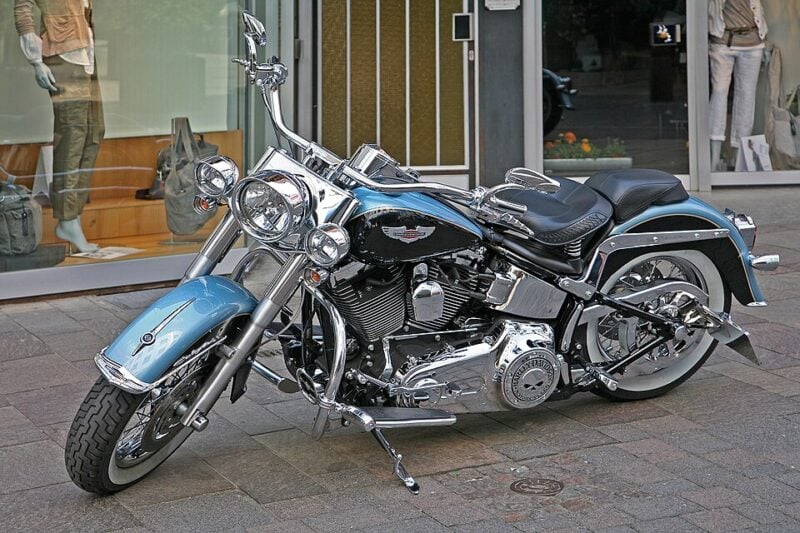
The debate between Harley-Davidson and Indian Motorcycles has intensified as both American brands compete for dominance in the cruiser market.
You’re facing a choice between two manufacturers with deep roots in motorcycle history, each offering distinct approaches to design, performance, and the riding experience. Understanding the differences helps you determine which brand aligns with your priorities as a rider.
Neither brand is objectively better than the other, as both produce quality motorcycles with loyal followings, but they excel in different areas that matter depending on your riding style and preferences.
Harley-Davidson offers more extensive customization options, while Indian’s PowerPlus 112 engine delivers stronger horsepower compared to Harley’s Milwaukee-Eight 117, though Harley provides comparable torque at lower RPMs.
This comparison examines the heritage behind each brand, their engineering philosophies, and what you can expect from ownership. You’ll discover how these manufacturers differ in their model lineups, performance characteristics, and the communities they’ve built around their motorcycles.
There’s wrong choice here but which one makes sense to you? Let’s find out!
Brand Heritage and History
Both manufacturers trace their roots to the early 1900s, shaping American motorcycle culture through decades of innovation, competition, and dramatic shifts in ownership. Their stories reveal contrasting paths of continuous operation versus resurrection.
Origins and Founding Stories
Indian Motorcycle Company began production in 1901 in Springfield, Massachusetts, making it America’s first motorcycle manufacturer. George Hendee and Oscar Hedstrom founded the company, initially producing motorized bicycles before transitioning to full motorcycles.
Harley-Davidson followed in 1903 when William S. Harley and Arthur Davidson built their first motorcycle in a small Milwaukee shed. The company incorporated in 1907 and quickly expanded production capabilities. By 1920, Harley-Davidson had become the largest motorcycle manufacturer in the world.
The early rivalry between these two brands defined American motorcycling during the first half of the 20th century. Both companies competed fiercely for market dominance through racing victories and technological advancements.
Milestone Achievements
Indian Motorcycle dominated early racing circuits, winning the Isle of Man TT in 1911 and setting numerous speed records throughout the 1920s. The company supplied over 20,000 motorcycles to the U.S. military during World War I.
Harley-Davidson secured military contracts during both World Wars, producing approximately 90,000 motorcycles for Allied forces in World War II. The iconic Electra Glide launched in 1965, introducing electric starting to touring motorcycles.
Indian ceased production in 1953 after financial struggles and multiple ownership changes. Polaris Industries resurrected the brand in 2013, restoring the original aesthetic while implementing modern engineering and quality standards.
Evolution of Brand Identity
Harley-Davidson cultivated a rebellious, freedom-focused image through continuous production spanning over 120 years. The company weathered financial crises, foreign competition, and shifting consumer preferences while maintaining its Milwaukee headquarters.
Your perception of Indian changed dramatically after the Polaris acquisition. The modern Indian combines vintage styling cues with contemporary performance technology and reliability standards. The brand emphasizes premium quality and innovation alongside its historical legacy.
Both manufacturers now extend beyond traditional cruisers into new categories, including adventure bikes and electric motorcycles. Each brand maintains distinct design languages while adapting to modern rider expectations.
Design and Engineering Philosophy
Indian Motorcycle emphasizes modern technology and performance-oriented engineering, while Harley-Davidson maintains traditional American cruiser aesthetics with gradual technological updates. Both brands deliver distinct visual identities that reflect their different approaches to motorcycle design and manufacturing.
Distinctive Styling Elements
Harley-Davidson motorcycles feature a classic American cruiser profile with their signature V-twin engine prominently displayed, chrome accents, and low-slung seating positions. The brand’s design language emphasizes heritage styling cues that have remained relatively consistent for decades, creating instant visual recognition.
Indian Motorcycles showcase a different aesthetic with their war bonnet fender badge, deeply valanced fenders, and flowing lines that reference the brand’s pre-1953 heritage. Indian offers more modern styling integrated with contemporary performance features. The Scout models present a leaner, more minimalist look, while the Chief and Challenger lines embrace fuller bodywork and integrated lighting systems.
Key styling differences:
- Harley-Davidson: Exposed engine components, traditional teardrop tanks, minimal bodywork
- Indian Motorcycle: Integrated bodywork, LED lighting systems, streamlined fairings
Technological Innovations
Indian Motorcycle typically includes more advanced technology as standard equipment across their model range. You’ll find features like ride modes, traction control, ABS, and touchscreen infotainment systems on most models without paying extra for premium packages.
Harley-Davidson has expanded their technological offerings but often reserves advanced features for higher trim levels. Their newer models include the RDRS system (Reflex Defensive Rider Systems) and touchscreen displays, but Harley counters with unmatched brand legacy rather than competing purely on tech specifications.
Both manufacturers now offer liquid-cooled engines in certain models, though Harley-Davidson maintains air-cooled engines across more of their lineup to preserve traditional aesthetics.
Build Quality and Materials
Both brands utilize quality materials including steel frames, aluminum components, and premium paint finishes. Indian Motorcycle was resurrected by Polaris in 2013 with updated manufacturing processes that incorporate modern quality control standards.
Harley-Davidson manufactures in multiple facilities using established production methods refined over decades. You’ll notice differences in finish quality and component integration between model years and specific production runs from both manufacturers.
Indian motorcycles generally include higher-specification components as standard equipment, including upgraded suspension systems and braking components. Harley-Davidson offers extensive customization options and aftermarket support, allowing you to upgrade components based on your preferences and budget.
Performance Characteristics
Both brands deliver distinct performance profiles that cater to different riding preferences, with Indian emphasizing smooth power delivery and Harley-Davidson focusing on traditional V-twin torque characteristics.
Engine Options and Specifications
Indian Motorcycles primarily use their PowerPlus and Thunderstroke engine platforms. The PowerPlus 108 delivers approximately 122 horsepower and 128 ft-lbs of torque, while the larger Thunderstroke 116 produces around 126 ft-lbs of torque focused on low-end grunt.
Harley-Davidson’s Milwaukee-Eight engines come in several displacements. The Milwaukee-Eight 117 produces 105 horsepower at 4,600 RPM and 130 ft-lbs of torque at 3,250 RPM, emphasizing traditional low-end torque delivery.
Key Engine Differences:
- Indian: Higher-revving, performance-oriented power delivery
- Harley-Davidson: Lower-RPM torque emphasis for classic V-twin feel
- Indian: Liquid-cooled options available on some models
- Harley-Davidson: Predominantly air-cooled with oil-cooling assist
Indian’s engines tend to rev more freely and deliver power higher in the RPM range, while Harley’s approach prioritizes the traditional rumble and pull at lower speeds.
Handling and Ride Quality
Indian Motorcycles are known for their smooth and comfortable rides, making them particularly suitable for long-distance touring. Their chassis typically feature lower centers of gravity and more modern suspension components.
Indian models often include inverted front forks and advanced suspension tuning that absorbs road imperfections effectively. The Chieftain and Challenger series demonstrate nimble handling despite their substantial weight.
Harley-Davidson motorcycles deliver a more traditional riding experience with noticeable feedback from the road. The Street Glide and Road Glide models offer stable highway cruising but with a different character than Indian’s approach.
You’ll find Indian motorcycles generally corner more confidently with less effort required to initiate turns. Harley models provide a planted, stable feel that many riders associate with classic American cruiser DNA.
Reliability and Durability
Both manufacturers have improved their reliability standards significantly in recent years. Modern Indian motorcycles benefit from advanced engineering and quality control processes implemented after their revival under Polaris ownership.
Harley-Davidson’s Milwaukee-Eight platform has demonstrated solid reliability since its 2017 introduction. You’ll find fewer reported issues with oil leaks and mechanical problems compared to earlier Twin Cam engines.
Indian’s liquid-cooled engines require regular coolant maintenance, while Harley’s air-cooled designs need careful attention to heat management in stop-and-go traffic. Both brands recommend similar service intervals, typically every 5,000 miles for oil changes.
Maintenance Considerations:
- Indian parts availability has expanded but may be limited in some regions
- Harley-Davidson has extensive dealer networks and parts availability
- Both brands offer comprehensive warranty coverage on new models
- Indian typically includes longer standard warranties on select models
Model Range and Customization
Both manufacturers offer distinct lineups spanning cruisers to full-dress touring bikes, with Harley-Davidson providing a broader aftermarket ecosystem while Indian focuses on feature-rich stock configurations.
Popular Current Models
Harley-Davidson’s 2026 lineup includes the iconic Softail series, the Street Bob for urban riders, and the Road Glide and Street Glide for touring enthusiasts. The Pan America adventure bike and LiveWire electric motorcycle expand beyond traditional cruiser territory. The Sportster S appeals to performance-oriented riders seeking a modern muscle cruiser.
Indian’s current range centers on the Scout platform for entry and mid-level riders, while the Chief lineup delivers classic cruiser styling with modern performance. The PowerPlus models like the Chieftain, Challenger, Roadmaster, and Pursuit dominate the touring segment with the PowerPlus 112 engine. The FTR series offers a flat-track-inspired sport bike alternative.
Key Model Categories:
- Cruisers: Harley Softail series vs Indian Chief and Scout
- Touring: Harley Road Glide/Ultra Limited vs Indian Roadmaster/Chieftain
- Performance: Harley Sportster S vs Indian FTR
- Baggers: Harley Street Glide vs Indian Challenger
Customization Options
Harley-Davidson has an extensive aftermarket with countless parts suppliers and customization shops dedicated exclusively to the brand. You’ll find exhaust systems, handlebars, seats, paint schemes, and performance upgrades from hundreds of third-party manufacturers. The Harley Parts and Accessories catalog alone contains thousands of official components.
Indian motorcycles have a growing aftermarket for customization, though not as extensive as Harley’s decades-established network. Indian offers saddlebags, handlebars, exhaust systems, and accessories that maintain brand aesthetics. The company emphasizes delivering well-equipped bikes from the factory, reducing the immediate need for aftermarket additions.
Harley’s customization culture runs deeper in American motorcycle heritage, giving you more options for building a truly unique machine.
Limited Editions and Special Releases
Harley-Davidson regularly releases anniversary editions, commemorative paint schemes, and collaboration models with cultural icons. The company’s 120th anniversary models and special CVO (Custom Vehicle Operations) lineup showcase premium factory customization. These limited releases often appreciate in value and attract collectors.
Indian produces heritage-inspired special editions celebrating the brand’s pre-1953 history and racing legacy. The company releases Scout and Chief variants with unique paint, upgraded components, and retro styling cues. Indian’s limited editions typically emphasize historical authenticity rather than modern custom aesthetics.
Both brands use special releases to maintain excitement and exclusivity within their respective communities.
Ownership Experience
Harley-Davidson offers broader dealer access across the United States, while Indian provides competitive warranty coverage and a growing network that has expanded significantly since its revival under Polaris ownership.
Dealer Network and Accessibility
Harley-Davidson maintains a substantial advantage in dealer presence with over 600 authorized dealers across North America. You’ll find Harley dealerships in most major cities and many smaller towns, making it easier to access parts, service, and test rides regardless of your location.
Indian Motorcycle operates approximately 300 dealers in North America, which represents significant growth but still trails Harley’s footprint. If you live in rural areas or smaller markets, you may need to travel farther to reach an Indian dealership. However, Indian’s dealer network has been expanding steadily, and their dealerships often carry multiple Polaris brands under one roof.
Both brands offer authorized service centers that can handle warranty work and routine maintenance. Harley’s larger network means you have more options when traveling cross-country, though Indian dealers are typically well-distributed along major touring routes.
Community and Brand Culture
Harley-Davidson’s community presence remains unmatched with the Harley Owners Group (H.O.G.), which has over one million members worldwide. You gain access to organized rides, rallies, and exclusive events when you purchase a Harley. The legendary brand name comes with strong resale value and instant recognition among riders.
Indian Motorcycle has built a dedicated following through the Indian Motorcycle Riders Group and regional events. The community feels more intimate and less commercialized than Harley’s massive network. You’ll find Indian riders share a sense of heritage appreciation combined with modern performance values.
Both communities welcome new riders, though Harley’s larger size means more local chapters and weekly meetups in your area.
Maintenance and After-Sales Support
Indian Motorcycle typically includes a two-year unlimited mileage warranty on new bikes, which exceeds Harley-Davidson’s two-year limited warranty with mileage restrictions on some models. Indian also frequently bundles additional roadside assistance programs with new purchases.
Harley-Davidson parts are widely available through both official and aftermarket channels. You can find replacement components at most motorcycle shops, which helps reduce downtime during repairs. Service intervals for most Harley models occur every 5,000 miles.
Indian motorcycles generally require service every 5,000 miles as well, but parts availability through third-party suppliers remains more limited. You’ll likely need to order components through Indian dealers, which can extend repair times. However, Indian often delivers better performance without modifications, potentially reducing your need for aftermarket upgrades.
Both brands offer extended warranty options that you can purchase at the time of sale or within the initial coverage period.
Cost of Ownership
Both brands require significant financial commitment beyond the initial purchase, with differences in depreciation rates and maintenance expenses that affect long-term value. Your total investment includes insurance premiums, registration fees, and potential resale returns that vary between manufacturers.
Purchase Price Ranges
Harley-Davidson motorcycles typically command higher initial prices than Indian models across comparable categories. A pre-owned 2016 FLS Softail Slim from Harley-Davidson costs around $12,580, while a 2016 Indian Chief Classic runs approximately $13,285 for similar vintage models.
New Harley-Davidson bikes range from $7,000 for entry-level models to over $45,000 for premium touring motorcycles. Indian’s lineup generally starts lower, with some models priced around $4,000 to $5,000 for certain configurations, though their premium offerings also reach into the $40,000 range.
The average cost of a Harley-Davidson motorcycle sits around $9,000, while Indian motorcycles average about $4,000. This price difference reflects market positioning and model availability rather than quality disparities.
Insurance and Registration
Insurance costs for both brands depend on your model choice, riding history, and location. Harley-Davidson’s higher theft rates in some areas can increase insurance premiums compared to Indian motorcycles. Your coverage costs will also reflect the replacement value of your specific model.
Registration fees vary by state but generally align with the motorcycle’s value and engine displacement. Both brands fall into similar registration categories for most jurisdictions. You should budget $200 to $800 annually for registration depending on your state’s fee structure.
Resale Value
Harley-Davidson maintains competitive resale values due to its vast network of enthusiasts, which facilitates quicker sales at favorable prices. The brand’s widespread recognition helps preserve value over time, though depreciation still occurs in the first few years of ownership.
Indian motorcycles hold their value well, particularly limited editions and popular models like the Scout and Chief series. The brand’s growing popularity has strengthened resale performance in recent years. Both manufacturers show similar depreciation curves, with well-maintained bikes retaining 60-70% of their value after five years.
Rider Demographics and Appeal
Both brands attract distinct rider profiles based on age, lifestyle preferences, and riding priorities. Harley-Davidson maintains broader name recognition globally, while Indian Motorcycle appeals to riders seeking modern technology wrapped in classic styling.
Target Audiences
Harley-Davidson has traditionally attracted riders aged 45 and older who value the brand’s outlaw heritage and air-cooled V-twin tradition. The average Harley owner tends to be an experienced rider with strong brand loyalty built over decades.
Indian Motorcycle targets a slightly younger demographic, with models like the Scout and Challenger appealing to riders wanting agility and modern features without losing cruiser aesthetics. You’ll find Indian’s customer base includes first-time cruiser buyers and younger enthusiasts who prioritize performance technology.
The Scout platform specifically draws riders in their 30s and 40s who want a more accessible entry point into American V-twin motorcycles. Indian’s liquid-cooled engines and ride-by-wire throttle systems attract riders transitioning from sport bikes or metric cruisers.
Global Popularity
Harley-Davidson maintains stronger international market presence with established dealership networks across Europe, Asia, and Latin America. The brand’s iconic status translates into higher global recognition and resale values in most markets.
Indian Motorcycle has focused on strategic growth in North America while expanding selectively into European markets. Your options for service and parts may be more limited with Indian in certain regions compared to Harley’s extensive dealer network.
The market share battle between these American cruiser brands continues to evolve as Indian gains ground among riders who previously dismissed the brand. Harley still commands larger overall sales volumes, but Indian’s growth rate shows momentum with younger buyers.
Notable Endorsements
Harley-Davidson has cultivated celebrity associations for decades, with high-profile riders including musicians, actors, and athletes who reinforce the brand’s rebellious image. These endorsements have helped maintain Harley’s cultural relevance beyond the motorcycle community.
Indian Motorcycle has taken a different approach, focusing more on racing heritage and performance credibility through flat track racing sponsorships. You’ll see Indian promote its competition success rather than celebrity lifestyle marketing.
Both brands sponsor motorcycle rallies and events, though Harley’s presence at Sturgis and Daytona remains more prominent due to its longer continuous market presence.
Environmental Considerations
Both manufacturers face increasing pressure to reduce emissions and develop sustainable alternatives, with electric motorcycles representing the future of the industry. Their approaches to environmental responsibility differ in timeline and commitment level.
Emissions and Eco-Friendly Initiatives
Harley-Davidson and Indian currently produce traditional air-cooled and liquid-cooled V-twin engines that meet EPA emission standards. Both brands have implemented fuel injection systems and catalytic converters to reduce harmful emissions from their gasoline-powered motorcycles.
Harley-Davidson has been more vocal about sustainability initiatives in their manufacturing processes. They’ve invested in renewable energy at some production facilities and implemented waste reduction programs. The company tracks and reports environmental metrics as part of their corporate responsibility efforts.
Indian Motorcycle, owned by Polaris Industries, benefits from parent company environmental programs. Polaris has established emission reduction targets across their vehicle lineup. However, Indian has maintained a stronger focus on traditional motorcycle design rather than publicizing green initiatives.
Neither brand currently offers significant eco-friendly alternatives beyond meeting regulatory requirements. Their core product lines remain large-displacement cruisers that prioritize performance over fuel efficiency.
Future Electric Models
Harley-Davidson launched the LiveWire electric motorcycle in 2019 and later spun it off as a separate brand. The LiveWire One offers 105 horsepower and approximately 146 miles of city range. Harley plans additional electric models under the LiveWire brand, demonstrating a clear commitment to electrification.
Indian Motorcycle has not released a production electric motorcycle as of 2026. The company has shown no electric prototypes or announced concrete plans for battery-powered models. This represents a significant gap compared to Harley-Davidson’s electric strategy.
You’ll find more electric options if you choose Harley-Davidson. Indian appears to be waiting for electric technology to mature and customer demand to increase before making substantial investments in this segment.
Summary and Final Thoughts
Both Harley-Davidson and Indian Motorcycles represent the best of American motorcycle manufacturing. Your choice between these two iconic brands depends on what matters most to you as a rider.
Choose Harley-Davidson if you prioritize:
- Legendary brand recognition and heritage
- Extensive dealer network and parts availability
- Large riding community and events
- Strong resale value
- Classic American cruiser aesthetic with abundant chrome
Choose Indian Motorcycle if you value:
- Modern technology and features straight from the factory
- Better stock performance and handling
- Comfortable ergonomics for long-distance touring
- Refined ride quality with less vibration
- Competitive pricing on similarly equipped models
Neither brand is objectively better than the other. Harley-Davidson offers classic styling and an unmatched community presence, while Indian provides advanced features and performance-oriented engineering.
Your riding style, budget, and personal preferences should guide your decision. Test ride both brands before making a commitment. Pay attention to how each bike feels, handles, and fits your body type.
Both manufacturers build quality motorcycles that will serve you well for years. The debate between these legendary brands continues because each excels in different areas. Visit local dealerships, talk to owners, and make the choice that feels right for your riding needs.


