
Is the Subaru Outback a Good Family Car for Long Road Trips? Analysis of Comfort, Safety, and Practicality
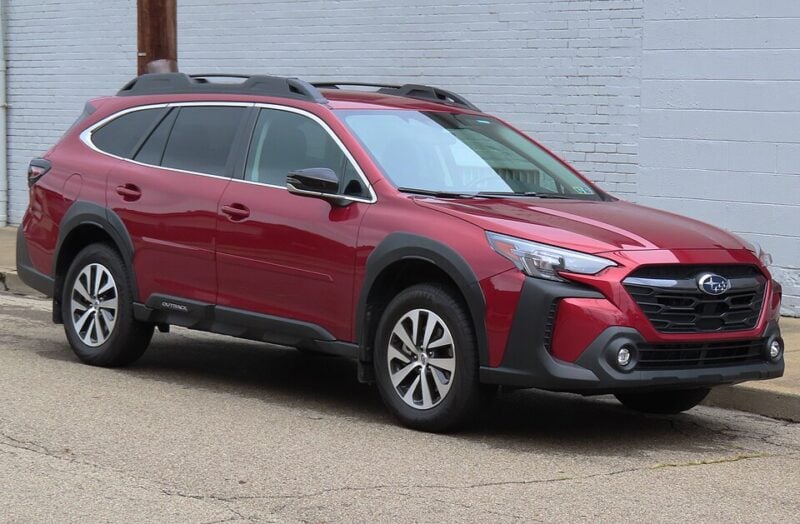
Planning a cross-country adventure with your family requires a vehicle that can handle hundreds of miles while keeping everyone comfortable and safe.
The Subaru Outback has built a reputation as a versatile wagon that bridges the gap between rugged capability and everyday practicality, but does it truly deliver for families on extended journeys?
The Subaru Outback is an excellent choice for family road trips, combining spacious seating, advanced safety features, and reliable long-distance performance that make it a strong contender in its class.
Its standard all-wheel drive provides confidence in various weather conditions, while the wagon design offers more cargo room than typical sedans without the bulk of a traditional SUV.
You’ll want to understand how specific features like cabin space, fuel economy, and available technology impact your family’s comfort over long distances.
This guide examines the practical aspects of choosing the Outback for your next family road trip, including real-world feedback from owners who have tested this vehicle on multi-day journeys.
Interior Comfort and Cabin Space
The 2026 Subaru Outback provides generous dimensions and thoughtful design choices that directly impact comfort during extended drives. With specific measurements and features tailored for family use, the cabin addresses both space requirements and amenities that matter on long journeys.
Seating Configuration and Legroom
The Outback seats five passengers across two rows. The cabin offers up to 112.3 cubic feet of passenger volume, giving occupants room to stretch without feeling cramped.
Front seats provide ample shoulder and hip room for adults. The driver’s seat typically includes power adjustments and lumbar support on most trims, allowing you to fine-tune your position for hours behind the wheel.
Second-row passengers benefit from competitive legroom that accommodates adults comfortably. The rear seats recline slightly, adding flexibility for passengers who want to rest during long stretches. Your taller family members won’t feel squeezed, and kids have enough space to remain comfortable without invading each other’s territory.
The flat rear floor means a middle passenger doesn’t have to straddle a large hump, making three-across seating more practical when needed.
Climate Control and Amenities
Dual-zone automatic climate control comes standard on most Outback trims, letting you and your front passenger set different temperature preferences. Rear air vents direct airflow to second-row passengers, preventing the common complaint of backseat occupants getting too warm or cold.
Heated front seats are available across the lineup, with heated rear seats offered on higher trims. These features prove valuable during winter road trips or early morning departures. Available ventilated front seats help during summer travel, reducing the discomfort of long sits in warm conditions.
The cabin includes multiple USB ports and charging options throughout, keeping devices powered for navigation, entertainment, and communication. Cup holders and storage bins are positioned within easy reach for both rows.
Quietness and Ride Quality
The Outback’s interior emphasizes comfort through sound insulation and suspension tuning designed for highway cruising. Wind noise remains minimal at highway speeds, allowing normal conversation volumes without raising your voice.
Road noise filtering has improved in recent years, though you’ll still notice some tire rumble on coarse pavement. The suspension absorbs most road imperfections smoothly, reducing the fatigue that comes from constant jolting.
The ride quality leans toward comfort rather than sportiness, which suits long-distance family travel. You’ll find the Outback handles bumps and uneven surfaces without excessive bouncing or harshness that could disturb sleeping passengers or make extended drives tiresome.
Cargo Capacity and Storage Flexibility
The Outback delivers 32.5 cubic feet of cargo space behind the rear seats and 75.7 cubic feet with seats folded, accommodating everything from weekly groceries to camping equipment for extended family trips.
Luggage and Gear Accommodation
The 33-cubic-foot cargo area easily holds luggage for a family of four on extended road trips. The wide rear opening makes loading bulky items like strollers, coolers, and sports equipment straightforward without awkward maneuvering.
You’ll find the low load floor particularly useful when lifting heavy suitcases or boxes. The flat cargo surface extends all the way to the back of the front seats when you fold down the rear row, creating a stable platform for larger items.
Road-trippers and DIY haulers benefit from the long load floor design, which prioritizes maximum usable space over aesthetic touches. The square shape of the cargo bay maximizes volume compared to sloped-roof crossovers.
Rear Seat Folding Mechanisms
The 60/40 split-folding rear seats drop down with a simple pull of levers located in the cargo area. You don’t need to remove headrests or struggle with complicated mechanisms to expand your cargo capacity.
This split configuration lets you carry longer items like skis or lumber while maintaining seating for two passengers. The seats fold nearly flat, creating an uninterrupted surface for sleeping bags, camping gear, or home improvement purchases.
When you need to transition from passenger mode to cargo mode, the process takes less than 30 seconds. The seat backs lock securely in place when raised, ensuring passenger safety during travel.
Interior Storage Solutions
The center console provides deep storage for wallets, phones, and sunglasses within easy reach of the driver. Front door pockets accommodate large water bottles, while the glove box offers enough space for vehicle documents and small electronics.
Rear passengers get their own bottle holders in the door panels and seat-back pockets for tablets or magazines. The front seatbacks include map pockets that work well for kids’ activity books during long drives.
You’ll also find smaller organizational touches like a sunglasses holder overhead and coin slots near the cupholders. These compartments keep essential items accessible without cluttering the cabin during multi-hour drives.
Safety Technologies for Family Travel
The Subaru Outback comes equipped with multiple layers of active and passive safety systems designed to protect families during highway driving and long-distance travel. The 2026 Subaru Outback earned the IIHS Top Safety Pick+ award, placing it among the highest-rated vehicles for collision protection.
Driver Assistance Features
Your Outback includes Subaru’s EyeSight system as standard equipment across all trim levels. This suite provides adaptive cruise control that maintains safe following distances on highways, lane departure warning with steering assist to help prevent unintended lane changes, and pre-collision braking that can reduce impact severity or avoid crashes entirely.
The system uses dual cameras mounted behind the windshield to monitor traffic conditions and detect potential hazards. Automatic high beams adjust lighting based on oncoming traffic, reducing eye strain during night driving.
Higher trim levels add Blind Spot Detection with Rear Cross-Traffic Alert, which proves valuable when changing lanes in heavy traffic or backing out of parking spaces at rest stops. The DriverFocus system monitors driver attention and can alert you to take breaks during extended highway stretches.
Child Safety Seat Compatibility
The Outback provides LATCH (Lower Anchors and Tethers for Children) connections in both outboard rear seating positions. These anchors allow you to secure compatible car seats without using the vehicle’s seat belts.
The rear doors open wide to approximately 80 degrees, giving you easier access when installing car seats or buckling children into boosters. The flat rear floor means no center hump to work around when positioning seats side by side.
Rear seat width measures 57 inches, providing adequate space for two car seats with room for an adult or older child in the middle position. The front passenger seat can also accommodate a rear-facing infant seat if needed, though this requires disabling the airbag.
Crash Test Scores
The IIHS rates the Outback’s crashworthiness with “Good” scores in all six crash tests, including the challenging small overlap front test that simulates hitting a tree or pole. The vehicle’s ring-shaped reinforcement frame distributes impact forces away from the passenger cabin.
The NHTSA typically awards the Outback five stars overall in federal crash testing. Front and side impact tests consistently achieve five-star ratings, while rollover resistance earns four stars due to the vehicle’s higher center of gravity compared to sedans.
Standard features include front, side-curtain, and knee airbags for both front occupants, plus side-curtain airbags that extend to rear passengers.
Infotainment and Connectivity Options
The 2026 Outback features a completely redesigned infotainment system with a larger screen and improved functionality, while families can keep devices charged through multiple USB ports throughout the cabin.
Touchscreen and Navigation
The 2026 Subaru Outback debuts an all-new 12.1-inch touchscreen infotainment system exclusive to Subaru. This represents a significant upgrade from previous generations with higher resolution and improved brightness.
The new system includes anti-glare enhancements that reduce external light reflection by approximately 80% compared to earlier models. This means you can see the screen clearly even in bright sunlight during daytime drives.
The interface supports wireless Apple CarPlay and Android Auto, allowing you to access navigation, music, and messaging apps without cables. The infotainment system is user-friendly and responsive, eliminating the frustrating screen reboots that plagued older Subaru models.
Built-in navigation comes standard on higher trim levels, though most families will likely prefer using their phone’s navigation through the wireless connectivity features.
Rear Seat Entertainment Availability
The Subaru Outback does not offer a factory-installed rear seat entertainment system in any trim level. This puts it behind some competitors that provide built-in screens for rear passengers.
You can still keep passengers entertained by connecting tablets or phones to the vehicle’s Wi-Fi hotspot capability through STARLINK Connected Services. The system allows multiple devices to connect simultaneously for streaming content.
Rear passengers have access to dedicated USB charging ports, making it easy to power tablets or portable DVD players for entertainment during long trips. You’ll need to bring your own devices and mounting solutions if you want rear seat screens.
Device Charging and Connectivity
The Outback provides multiple USB ports throughout the cabin for charging devices. Front passengers get USB-A and USB-C ports, while rear passengers have access to their own charging ports in the back of the center console.
The available wireless charging pad in the center console keeps compatible smartphones powered without cables cluttering the front area. This feature comes standard on upper trim levels.
STARLINK connectivity offers Wi-Fi hotspot capability for up to eight devices, allowing everyone to stay connected during road trips. The system requires a subscription after the initial trial period ends.
You can also use Bluetooth connectivity to pair multiple phones simultaneously, making it easy to switch between drivers or allow passengers to control music playback.
Ride Comfort on Long Journeys
The Subaru Outback delivers a car-like ride quality that minimizes fatigue during extended drives, while sound-deadening materials keep cabin noise at manageable levels for passenger comfort.
Suspension Performance
The Outback uses a refined suspension system designed specifically for highway cruising and long-distance travel. The setup absorbs road imperfections effectively, smoothing out bumps and cracks that would otherwise jostle passengers.
You’ll notice the car-like ride quality remains consistent whether you’re traveling on smooth interstates or rougher secondary roads. The suspension strikes a balance between comfort and control, preventing excessive body roll while maintaining a soft enough ride for passenger satisfaction.
Real-world testing shows the suspension handles varied terrain well. One driver reported comfortable performance across 3,000 miles through mountain roads and highways, demonstrating the system’s versatility for different driving conditions.
The Outback provides ample legroom and headroom in both rows, which complements the smooth suspension by giving passengers room to stretch during long hours on the road.
Noise and Vibration Reduction
Subaru equipped the Outback with sound-deadening materials and insulation to minimize road, tire, and wind noise entering the cabin. These measures create a quieter environment that reduces the fatigue associated with constant highway noise exposure.
The cabin remains relatively peaceful at highway speeds, though some wind noise may be noticeable around the mirrors and windows at higher velocities. Engine noise stays well-controlled during normal cruising.
Vibrations from the road surface are effectively dampened through the chassis and suspension mounting points. You won’t experience the harsh vibrations that can make passengers uncomfortable after several hours of driving.
Fuel Efficiency and Range
The Subaru Outback equipped with the 2.5-liter engine delivers 26 mpg city and 32 mpg highway, while its 18-gallon fuel tank provides substantial range between fill-ups for extended travel.
MPG Ratings on Highways
The Subaru Outback achieves EPA estimates of 26 mpg in the city and 32 mpg on the highway with its 2.5-liter BOXER four-cylinder engine. These highway numbers make the Outback competitive for a vehicle in its class, especially considering its standard all-wheel-drive system.
Your actual highway fuel economy may vary based on driving conditions and habits. Factors like speed, weather, terrain, and cargo load all impact your real-world efficiency. Maintaining steady speeds and using cruise control on flat stretches can help you maximize your highway mileage.
The all-wheel-drive system adds some weight and mechanical resistance compared to front-wheel-drive alternatives, but Subaru has refined its AWD components over the years to minimize efficiency losses. You’ll find the highway ratings particularly useful during interstate travel where you can maintain consistent speeds.
Tank Size and Distance Between Stops
The 2026 Subaru Outback has a gas tank capacity of 18 gallons across all trim levels. This fuel capacity translates to approximately 468 miles of city driving or 576 miles of highway driving based on EPA estimates before refueling becomes necessary.
For highway road trips, you can expect to travel roughly 500-550 miles between stops under typical driving conditions. This range means fewer interruptions during long-distance travel, allowing you to plan fuel stops around meal breaks or rest areas rather than being forced to stop frequently.
Your actual range will depend on how you drive and what conditions you encounter. Headwinds, mountain passes, or running the air conditioning continuously will reduce your between-fill distance somewhat.
Drivability and Handling on Extended Trips
The Outback delivers composed handling through its standard all-wheel drive system and driver-assistance features that reduce fatigue during multi-hour drives. Its balanced ride quality maintains stability across varied terrain while keeping passengers comfortable.
All-Wheel Drive Capabilities
Your Outback comes equipped with Symmetrical All-Wheel Drive as standard equipment across all trim levels. This system continuously distributes power to all four wheels, providing consistent traction on wet pavement, gravel roads, and light snow conditions you might encounter during cross-country travel.
The base trims offer 8.7 inches of ground clearance, while the Wilderness version provides up to 9.5 inches, allowing you to confidently handle unpaved scenic routes or detours. This capability means you won’t need to avoid interesting backroads that lead to national parks or camping areas.
The all-wheel drive system operates transparently without requiring driver input, making it particularly useful when weather conditions change unexpectedly during long journeys. You maintain control during sudden rain showers or when transitioning from dry highway pavement to wet mountain passes.
Stability and Maneuverability
The Outback exhibits what some drivers describe as a slightly floaty ride quality on straight Midwestern highways, though this contributes to its comfortable highway cruising character. The suspension absorbs road imperfections effectively, preventing harsh jolts from reaching passengers during extended driving sessions.
Body roll remains controlled during lane changes and highway merges, even when the vehicle carries a full load of passengers and cargo. The steering provides adequate feedback for confident maneuvering in various conditions from parking lots to mountain switchbacks.
For families who prioritize comfort over sporty handling, the Outback’s tuning favors stability and passenger comfort rather than aggressive cornering capabilities. This setup reduces driver fatigue by maintaining a predictable, composed feel throughout your journey.
Adaptive Cruise Control Performance
The adaptive cruise control system functions down to a complete stop, making it valuable for varying traffic conditions you’ll encounter on long trips. This feature maintains a set following distance from vehicles ahead, automatically adjusting your speed without constant pedal inputs.
Drivers report the system works effectively from six-lane highways with light traffic to two-lane back roads, adapting to different driving environments throughout your route. The technology handles stop-and-go traffic situations smoothly, reducing the physical strain of repeatedly braking and accelerating during congested stretches.
You can engage this system during long highway portions of your trip, allowing you to focus more attention on navigation and family interactions while the vehicle manages speed variations. The system responds predictably to traffic changes, though you should remain attentive and ready to take control when needed.
Reliability and Maintenance Considerations
The Subaru Outback has earned a solid reputation for dependability. J.D. Power rates the 2025 model at 80 out of 100 for quality and reliability, which is considered a good score in the industry.
With proper maintenance, you can expect your Outback to provide 200,000+ miles of service. The key is addressing small issues promptly and following a conservative maintenance schedule.
Common issues to be aware of:
- Head gasket problems in older models
- CVT transmission concerns in certain model years
- Head unit malfunctions (typically covered by Subaru)
- Driver seat leather cracking prematurely
Different model years have varying reliability records, so researching the specific year you’re considering is important. Some years performed better than others regarding head gaskets and CVT durability.
Maintenance costs are reasonable compared to other vehicles in its class. You’ll need to budget for regular oil changes, tire rotations, and brake services like any vehicle. Transmission fluid changes deserve special attention, particularly if you’re planning extensive road trips.
Real-world testing confirms the Outback’s road trip reliability, with many owners reporting trouble-free long-distance travel. The vehicle performs well under diverse driving conditions, from highway cruising to light off-road adventures.
Your best strategy involves purchasing a well-maintained example from a reliable model year and staying ahead of scheduled services. This approach maximizes your chances of enjoying many years of dependable family road trips.
Cost of Ownership for Families
The Outback’s financial impact extends beyond the initial purchase price, with depreciation rates and ongoing expenses playing crucial roles in your family’s budget. Understanding these costs helps you plan for the years ahead.
Long-Term Value Retention
The 2025 Subaru Outback will depreciate $14,363 after 5 years and maintain a residual value of $17,052. This represents a depreciation rate that keeps the vehicle competitive in the midsize SUV segment.
Your estimated five-year cost of ownership ranges from $44,000 to $47,000, which includes depreciation, fuel, taxes, registration fees, financing, and insurance. This figure gives you a realistic picture of what you’ll spend over the ownership period.
The Outback holds its value reasonably well compared to other family vehicles in its class. When you’re ready to sell or trade in your vehicle, you can expect a fair return on your investment, which matters when upgrading to accommodate growing family needs.
Insurance and Maintenance Costs
You’ll pay an average of $1,972 annually for auto insurance, totaling $9,860 over five years. These estimates assume a 40-year-old driver with full coverage, a good driving record, and good credit.
Your insurance costs may vary based on your location, driving history, and coverage choices. Shopping around for competitive rates can reduce your annual expenses significantly.
Maintenance costs remain moderate for the Outback, though you should budget for routine servicing every 6,000 miles. The vehicle’s reliability reputation helps minimize unexpected repair expenses, but you’ll still need to account for standard wear items like tires, brakes, and batteries as your family racks up road trip miles.
Comparisons With Alternative Family Vehicles
The Outback competes against traditional three-row SUVs, minivans, and fellow wagons, each offering distinct advantages for family road trips. Understanding how it stacks up in cargo space, comfort features, and fuel efficiency helps you determine whether its two-row configuration meets your needs.
SUVs and Crossovers
Three-row SUVs like the Toyota Highlander provide extra seating capacity that the Outback cannot match. You get space for seven or eight passengers, making them ideal if you regularly transport more than five people. However, the Outback delivers better fuel economy than most three-row competitors and maintains similar cargo volume when those third rows are folded down.
The Hyundai Santa Fe presents a compelling alternative with available third-row seating and competitive pricing. The Mazda CX-50 offers sportier handling characteristics while maintaining all-wheel drive capability. The Honda Pilot provides significantly more interior space but sacrifices the Outback’s fuel efficiency and lower starting price.
Standard all-wheel drive gives the Outback an edge over competitors that charge extra for this feature. Your total ownership costs may decrease compared to larger SUVs that consume more fuel during long highway drives.
Minivans
Minivans like the Honda Odyssey and Toyota Sienna dominate in pure interior volume and passenger comfort. You gain sliding rear doors for easier access in tight parking spots, along with clever storage solutions throughout the cabin. Most minivans also offer superior third-row legroom compared to any SUV.
The Outback cannot compete with minivan versatility for families needing maximum seating and cargo space simultaneously. However, you trade some of that practicality for better off-road capability and a less utilitarian appearance. Minivans typically deliver comparable fuel economy on highways but lack the ground clearance for unpaved roads or snowy mountain passes.
Station Wagons
Direct wagon competitors have nearly disappeared from the market, leaving the Outback in a relatively unique position. The Volkswagen Golf Alltrack and Volvo V60 Cross Country offer similar profiles but at different price points and with different reliability track records.
European wagons often provide more refined interiors and sportier handling dynamics. You sacrifice the Outback’s proven dependability and lower maintenance costs. The Outback’s cargo capacity typically matches or exceeds premium wagon alternatives while maintaining a more accessible price point for most families.
User Reviews and Real-World Experiences
Owners consistently praise the Outback’s performance on extended journeys. The 2025 Subaru Outback Touring XT delivers smoothness and comfort that exceeds many drivers’ initial expectations.
You’ll find that families appreciate several key attributes when traveling long distances:
Comfort Features
- Spacious seating across all rows
- Smooth ride quality on highways
- Quiet cabin during extended drives
Practical Benefits
- Ample cargo space for luggage and gear
- Easy-to-use technology systems
- Reliable performance in various weather conditions
Real-world testing confirms the Outback’s reliability on road trips holds up well. Drivers report minimal issues even during multi-day journeys across different terrain types.
The vehicle earns recognition as one of the best do-it-all road-trip cars available at dealerships. Its standard all-wheel-drive system and 220mm ground clearance give you confidence on unpaved roads or in poor weather.
You can read through 52 consumer reviews on Edmunds to get a broader perspective. Many families note the Outback balances everyday practicality with adventure capability effectively.
The turbocharged XT models particularly impress reviewers with their power delivery. The Touring XT performs well as a family vehicle during both daily commutes and weekend getaways.
Model Variations and Available Upgrades
The 2026 Outback lineup offers multiple configurations to match different family needs and budgets, with specialized packages designed to enhance comfort and capability on extended journeys.
Trim Levels and Feature Packages
The 2026 Subaru Outback features multiple trim levels that range from well-equipped base models to premium variants with advanced technology. The lineup includes the base model, Premium, Onyx Edition XT, Limited, Limited XT, Touring XT, and the off-road-focused Wilderness trim.
For families prioritizing long-distance comfort, the higher trims offer ventilated front seats, leather upholstery, and upgraded audio systems. The XT variants include a turbocharged engine that provides more passing power on highways, which can make merging and overtaking safer with a full load of passengers and cargo.
The Wilderness model adds rugged styling and enhanced ground clearance, making it suitable for families who mix highway driving with off-road adventures. This trim includes all-terrain tires, unique suspension tuning, and copper-colored exterior accents. The 2026 model introduces more interior volume compared to previous generations, benefiting all trim levels.
Accessory Options for Road Trips
Subaru offers factory accessories that enhance road trip functionality. Roof-mounted cargo boxes expand storage capacity for luggage, camping gear, or sports equipment without compromising interior passenger space.
Available crossbars and bike racks allow you to transport recreational equipment externally. Rear seat entertainment systems can keep children occupied during long drives, though availability depends on trim selection. All-weather floor mats and cargo area liners protect the interior from spills and dirt accumulated during multi-day trips.


