
Is the Toyota Land Cruiser a Good Daily Driver for Long-Term Ownership?
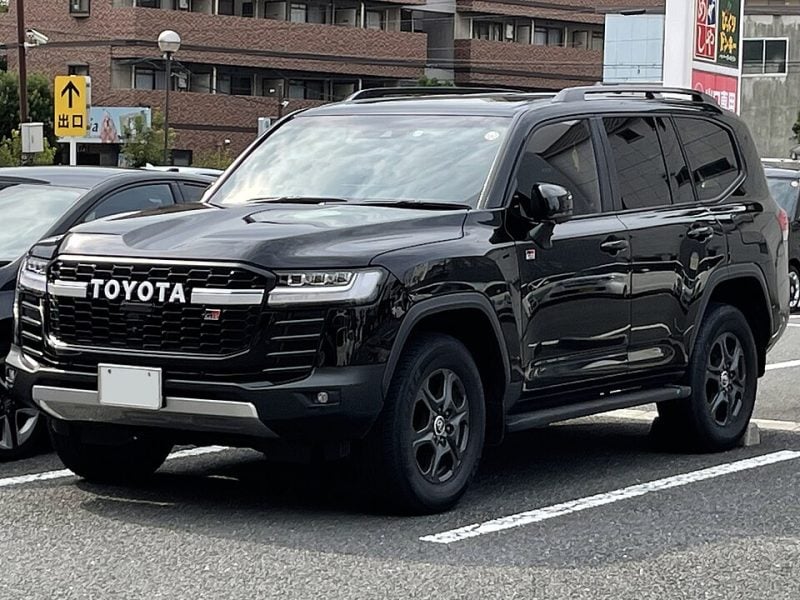
The Toyota Land Cruiser stands out as an excellent daily driver for long-term ownership, combining legendary reliability with practical everyday usability.
While it delivers exceptional durability and capability that can last hundreds of thousands of miles, you’ll need to accept higher fuel costs and a premium price point compared to typical daily drivers.
One Pennsylvania driver recently demonstrated this durability by putting 110,000 miles on a 2024 Land Cruiser hybrid in less than a year with no mechanical issues.
Your decision to use a Land Cruiser as a daily driver depends on balancing its unmatched build quality against practical concerns like fuel economy and maintenance costs. Many owners find the trade-off worthwhile for the peace of mind that comes with Toyota’s proven engineering.
The vehicle serves dual purposes effectively, handling both routine commutes and demanding off-road adventures without compromise.
Understanding how the Land Cruiser performs across different daily driving scenarios, from highway fuel efficiency to urban maneuverability, helps you determine if it matches your specific needs.
The newer models bridge traditional Land Cruiser capability with modern comfort features and technology that make extended ownership more appealing for families and professionals alike.
So, is the Land Cruiser a great daily driver? Let’s find out!
Core Qualities of the Toyota Land Cruiser as a Daily Driver
The Land Cruiser delivers a refined driving experience that balances its off-road heritage with everyday comfort needs. Its cabin design and suspension tuning prioritize occupant comfort during commutes and errands.
Ride Comfort and Seating Ergonomics
The Land Cruiser’s suspension system absorbs road imperfections effectively, providing a smooth ride quality that suits daily driving conditions. You’ll find the seats offer adequate support for extended periods behind the wheel, whether you’re commuting to work or running weekend errands.
The vehicle’s seating position gives you a commanding view of traffic, which helps with visibility in parking lots and highway merging situations. The spacious interior accommodates multiple passengers comfortably, with enough legroom and headroom across all rows.
The 2025 model combines rugged capability with a comfortable interior, making it practical for both adventure activities and daily transportation needs. Your passengers will appreciate the thoughtful ergonomics during longer trips.
Urban and Suburban Maneuverability
The Land Cruiser’s size presents challenges in tight parking situations and narrow city streets. You’ll need to account for its substantial dimensions when navigating parking garages or crowded shopping center lots.
Despite its bulk, the turning radius remains manageable for a vehicle of this class. Modern driver assistance features help you park and navigate confined spaces more confidently. The off-road SUV’s features influence its daily driving performance, requiring adjustment if you’re transitioning from a smaller vehicle.
Your visibility is generally good thanks to the elevated seating position, though blind spots exist due to the thick pillars. Backup cameras and sensors become essential tools for daily maneuvering.
Cabin Quietness and Climate Control
The Land Cruiser provides a quiet and comfortable experience on the road, with effective sound insulation that reduces wind and road noise. You’ll notice minimal intrusion from outside sounds during highway cruising.
The climate control system maintains consistent cabin temperatures across multiple zones. Your front and rear passengers can set individual temperature preferences, which proves valuable during varying weather conditions.
Engine noise from the hybrid powertrain remains subdued during normal driving, only becoming noticeable under heavy acceleration. The overall acoustic refinement meets expectations for daily commuting comfort.
Long-Term Ownership Experience
The Land Cruiser stands out as a vehicle designed for extended ownership, with proven durability spanning decades and maintaining strong resale values that offset higher initial costs.
Reliability and Maintenance Requirements
The Toyota Land Cruiser’s legendary reliability stems from its overbuilt design and rigorous testing in harsh environments worldwide. You can expect the powertrain and drivetrain components to easily surpass 200,000 miles with proper maintenance.
Your maintenance schedule follows Toyota’s standard intervals, with oil changes every 10,000 miles and major services at 30,000-mile increments. The straightforward mechanical design makes repairs more accessible compared to luxury SUVs with complex systems.
Common long-term maintenance includes brake system replacements around 60,000-80,000 miles and suspension component refreshes between 100,000-150,000 miles. Some model years have experienced issues with rust-prone chassis and brake system faults that you should research before purchasing a specific generation.
Resale Value and Depreciation
Land Cruisers retain their value exceptionally well, often depreciating slower than most vehicles in the SUV segment. Your 5-year-old Land Cruiser typically maintains 60-70% of its original purchase price, significantly outperforming competitors.
The limited production numbers and strong global demand create a seller’s market for used models. You’ll find that well-maintained examples from reliable years command premium prices even with high mileage.
Special editions and heritage models appreciate in certain markets, making them potential investments rather than depreciating assets.
Ownership Costs Over Time
Real ownership costs position the Land Cruiser as a long-term investment rather than a budget-friendly option. Your fuel costs will be higher due to the vehicle’s weight and capability-focused design, with most models averaging 14-17 MPG combined.
Insurance premiums run above average for SUVs due to the vehicle’s high replacement value and theft desirability. You should budget $1,500-$2,500 annually for comprehensive coverage depending on your location and driving record.
Parts costs remain reasonable for a vehicle in this class, though certain components unique to the Land Cruiser command premium pricing. Your annual maintenance averages $800-$1,200 for routine service, with major services potentially reaching $2,000-$3,000.
Performance in Daily Driving Scenarios
The 2025 Land Cruiser delivers 326 horsepower and 465 lb-ft of torque through its turbocharged 2.4-liter four-cylinder hybrid system, providing adequate power for everyday use while maintaining reasonable fuel economy for its class.
Fuel Efficiency and Engine Performance
The hybrid powertrain in the Land Cruiser uses Toyota’s i-FORCE MAX system, combining a turbocharged engine with electric assist. You’ll find the low-end torque particularly satisfying for merging onto highways and navigating city traffic.
The fuel economy stands out as great for its class, though you shouldn’t expect sports car acceleration. The hybrid system provides smooth power delivery that makes the vehicle feel more refined than traditional body-on-frame SUVs.
Real-world testing shows the engine performs well across different driving conditions. The electric motor fills in gaps in the power band, creating a responsive driving experience without requiring you to push the accelerator aggressively.
Handling in Traffic and City Streets
You’ll experience some body roll during cornering, which is typical for off-road-oriented SUVs with higher ground clearance. The ride quality remains comfortable on regular roads, making it suitable for commuting.
The suspension tuning prioritizes off-road capability, but Toyota balanced this with daily drivability. You won’t feel every bump in the road, and the cabin remains relatively quiet at highway speeds.
Visibility from the driver’s seat is good, with a commanding view of traffic around you. The boxy design helps you judge the vehicle’s corners when changing lanes or navigating tight spaces.
Parking and Turning Radius
The Land Cruiser’s dimensions create challenges in compact parking spaces. At over 16 feet long and weighing more than 2,000 kg, you’ll need to plan your parking strategy in crowded urban environments.
The turning radius is larger than compact SUVs, requiring more space for U-turns and parking lot maneuvers. You should expect to make three-point turns where smaller vehicles complete the turn in one motion.
Modern parking aids like cameras and sensors help compensate for the size. The vehicle’s straight edges make it easier to position compared to SUVs with rounded designs, allowing you to gauge distances more accurately when parallel parking.
Comfort and Features for Daily Use
The 2025 Land Cruiser balances rugged capability with practical amenities designed for everyday commuting. Modern tech integration and thoughtful interior design make it suitable for both school runs and weekend adventures.
Infotainment and Connectivity
The Land Cruiser comes equipped with Toyota’s latest infotainment system featuring a 12.3-inch touchscreen display. The interface supports wireless Apple CarPlay and Android Auto, eliminating the need for cables during your commute.
You get multiple USB ports throughout the cabin, including USB-C connections for faster device charging. The integration of charging solutions with the hybrid powertrain provides extended power availability for your devices during long trips.
The audio system delivers clear sound quality, though it’s not the premium setup you’d find in luxury SUVs. Bluetooth connectivity handles phone calls reliably, and voice commands work well for basic functions like navigation and music control.
Storage and Cargo Space
Behind the third row, you’ll find 16.8 cubic feet of cargo space. Fold the third row flat and that expands to 44.9 cubic feet, which handles weekly grocery runs comfortably.
Cargo Capacity:
- Third row up: 16.8 cu ft
- Third row folded: 44.9 cu ft
- Second and third rows folded: 71.3 cu ft
Interior storage includes a center console bin large enough for a small bag, door pockets that fit water bottles, and a small tray ahead of the shifter for phones. The second-row seats slide and recline, giving passengers flexibility for comfort or creating more cargo room when needed.
Driver Assistance Technologies
Standard safety features include pre-collision warning with pedestrian detection, adaptive cruise control, and lane departure alert. These systems work reliably during normal commutes and errands, though the lane-keeping assist can feel slightly intrusive on curvy roads.
Blind-spot monitoring and rear cross-traffic alert come standard across all trims. The 360-degree camera system proves helpful when parking in tight spaces, given the Land Cruiser’s boxy dimensions.
You also get automatic high beams and road sign assist. The parking sensors provide audible warnings when you’re close to obstacles, making it easier to navigate crowded parking lots despite the vehicle’s size.
Durability and Build Quality
The Land Cruiser uses military-grade engineering principles in its construction, with heavy-duty steel frames and components designed to withstand extreme conditions. Toyota applies multiple layers of rust protection and builds the vehicle with components engineered for decades of use rather than planned obsolescence.
Material Quality and Finish
The Land Cruiser features a body-on-frame construction with a fully boxed steel ladder frame that provides exceptional structural rigidity. Toyota uses thicker gauge steel than many competitors, particularly in high-stress areas like the frame rails and mounting points.
Interior materials combine durability with functionality. You’ll find hard-wearing plastics on high-touch surfaces, designed to resist scratches and wear rather than provide luxury feel. The seats use dense foam and durable fabric or leather that maintains its shape over hundreds of thousands of miles.
The underbody receives extensive protective coatings including rubberized undercoating and wax-based cavity protection. Toyota applies these treatments at the factory to critical areas like the frame, suspension components, and body seams. The exhaust system uses stainless steel in many sections to resist corrosion from heat and moisture.
Corrosion Resistance
Toyota implements a multi-stage rust prevention process that includes galvanized steel panels, e-coat primer, and chip-resistant basecoats. Certain model years have faced rust-prone chassis issues that you should research before purchasing used examples.
The frame receives particular attention with sealed box sections that prevent moisture accumulation. Drain holes are strategically placed throughout the frame to allow water to escape rather than pool in vulnerable areas.
You should still inspect older models carefully for rust, especially if they’ve been exposed to road salt or coastal environments. Common rust spots include the rear body mounts, lower door edges, and the area behind the rear wheels where mud can accumulate.
Longevity of Key Components
The Land Cruiser’s legendary reliability stems from over-engineered components designed with substantial safety margins. The drivetrain components are rated well above the power output they handle, which reduces stress and extends service life.
The engine and transmission are designed for 300,000+ miles with proper maintenance. You’ll find owners reporting original engines and transmissions lasting 400,000 to 500,000 miles without major rebuilds. A 2024 model recently exceeded 110,000 miles in less than a year without mechanical failures.
Suspension components like ball joints, bushings, and shock absorbers typically require replacement between 100,000 and 150,000 miles depending on usage. The brake systems are robust, with larger rotors and calipers that resist fade and wear longer than lighter-duty SUVs.
Safety over Extended Ownership
The Land Cruiser maintains strong protective capabilities through years of ownership, with modern crash test performance and comprehensive safety systems that age well compared to typical SUVs. Child safety provisions and long-term durability of safety features contribute to its reputation as a family-friendly vehicle.
Crash Test Ratings and Real-World Safety
The 2025 Toyota Land Cruiser receives detailed safety ratings across frontal, side, and rollover crash performance categories. These ratings reflect the vehicle’s body-on-frame construction, which provides substantial protection in serious collisions.
Your Land Cruiser’s weight and high seating position offer advantages in multi-vehicle accidents. The rigid frame structure absorbs impact forces differently than unibody crossovers, though this can affect occupant comfort during minor collisions.
Real-world safety depends on maintaining critical systems over time. You need to inspect seat belts, airbag sensors, and structural components regularly, especially if you use your Land Cruiser for off-road driving where chassis stress accumulates.
Active and Passive Safety Features
Modern Land Cruisers include forward collision warning, lane departure warning, and blind spot detection as standard equipment. These systems rely on cameras and sensors that require calibration after windshield replacement or front-end repairs.
Your vehicle’s passive safety features include multiple airbags, stability control, and traction management systems. The electronic stability control works continuously to prevent rollover situations, which matters given the Land Cruiser’s high center of gravity.
Key safety technologies:
- Pre-collision braking with pedestrian detection
- Adaptive cruise control for highway driving
- Rear cross-traffic alert for parking situations
- Hill descent control for off-road use
You should verify that these systems function properly during routine maintenance, as sensor malfunctions can reduce their effectiveness over time.
Child-Friendly Features
The Land Cruiser accommodates LATCH child seat anchors across the second row, with additional tether anchors for secure installation. Your rear seats provide ample space for multiple car seats without compromising adult passenger comfort.
Rear door child safety locks engage manually to prevent accidental opening. The high step-in height requires younger children to use running boards or assistance when entering, which you should consider for daily school runs.
Climate control reaches rear passengers effectively, keeping children comfortable during long drives. You’ll find sufficient storage for diaper bags, strollers, and other child-related equipment in the cargo area and door pockets.
Seasonal and Weather Adaptability
The Land Cruiser handles diverse weather conditions effectively, with capable systems for winter driving and climate control features that maintain comfort in extreme temperatures.
Cold Weather Performance
The Land Cruiser performs well in snowy and icy conditions. The vehicle’s weight distribution and ground clearance help it navigate through deep snow without difficulty. Standard four-wheel drive provides consistent traction on slippery surfaces.
The heated steering wheel and front seats warm up quickly in cold weather. You’ll find the climate control system maintains cabin temperature effectively even in subzero conditions. The defrosting system clears windows rapidly for improved visibility.
Winter driving capability depends on your specific needs, but the Land Cruiser handles frequent and heavy snowfall reliably. The vehicle’s high seating position gives you better visibility in winter conditions. Battery performance remains stable in cold temperatures due to Toyota’s cold-weather engineering.
Hot Climate Comfort
The air conditioning system delivers strong cooling output in high temperatures. Ventilated seats in higher trims provide additional comfort during summer months. The dual-zone climate control allows you and your passenger to set different temperature preferences.
Tinted windows help reduce heat buildup when the vehicle sits in direct sunlight. The cabin materials resist heat damage and maintain their appearance in hot climates. You won’t experience significant heat soak issues with the turbocharged engine.
The cooling system maintains optimal engine temperature even during extended highway driving in extreme heat. Air circulation through the cabin remains effective with multiple vents positioned throughout the interior.
All-Wheel Drive and Traction Systems
The full-time four-wheel drive system operates automatically without driver input. Power distributes between the front and rear axles based on traction needs. You get mechanical engagement rather than electronic-only systems, which provides more reliable performance.
The available crawl control and multi-terrain select features adjust throttle and braking for different surfaces. These systems work in mud, sand, rocks, and other challenging conditions. The locking rear differential improves traction when one wheel loses grip.
Ground clearance of 8.9 inches allows you to clear obstacles and deep snow. The approach and departure angles prevent scraping on steep inclines.
Practical Considerations for Daily Commuting
The Land Cruiser’s daily commuting viability hinges on fuel economy and ownership costs that differ significantly from conventional sedans or crossovers. These financial factors accumulate over years of ownership and deserve careful evaluation before purchase.
Fuel Costs and Range
The 2025 Land Cruiser uses a hybrid I-FORCE MAX powertrain that combines a turbocharged 2.4-liter four-cylinder engine with an electric motor. This system produces 326 horsepower while delivering approximately 22-23 mpg in combined driving conditions.
Your fuel costs will run higher than compact SUVs or sedans. With a 17.9-gallon fuel tank, you can expect a practical range of around 390-410 miles between fill-ups during mixed commuting.
For a typical 30-mile daily commute, you’ll consume roughly 1.3 gallons per day or about 6.5 gallons weekly. At current fuel prices, this translates to approximately $25-30 per week depending on your local gas rates. The hybrid system does provide better efficiency than previous V8 Land Cruiser models, which averaged 13-15 mpg.
Stop-and-go traffic benefits from the electric motor assistance, improving fuel economy compared to highway-only driving. You’ll notice the hybrid system recovers energy during braking, which helps offset the vehicle’s substantial curb weight of around 5,500 pounds.
Insurance and Tax Implications
Insurance premiums for the Land Cruiser typically run 15-25% higher than mid-size SUVs due to the vehicle’s $56,000+ starting price and replacement cost considerations. Your exact rate depends on your location, driving history, and coverage levels.
The Land Cruiser’s classification as a heavy SUV may qualify you for certain tax deductions if you use it for business purposes. Vehicles over 6,000 pounds gross vehicle weight can potentially qualify for Section 179 deductions, though you should consult a tax professional for your specific situation.
Registration fees vary by state but generally correlate with vehicle value and weight. Expect annual registration costs between $300-800 depending on your state’s fee structure. Some states calculate fees based on MSRP, which places the Land Cruiser in higher brackets.
Property taxes on vehicles apply in certain states and can add $400-1,000 annually to your ownership costs. The Land Cruiser’s premium positioning means these assessments will exceed those for economy vehicles.
Comparison with Alternative Daily Drivers
The Land Cruiser competes against various vehicle types for daily driving duties, each offering distinct benefits depending on your priorities. Comparing it to both SUV competitors and traditional sedans reveals where it excels and where compromises exist.
Versatility Against Other SUVs
The 2025 Land Cruiser works effectively as a daily driver while offering more capability than most owners need. When evaluating it against the Lexus GX550, many buyers prefer the Land Cruiser’s interior design but favor the GX’s drivetrain, according to owner discussions comparing the two models.
The Land Cruiser features AWD with a lockable center differential and high and low ranges. This differs from the 4Runner, which offers 2WD, 4WD, and AWD configurations depending on trim level.
Key differences from Toyota’s lineup:
- More refined interior than 4Runner
- Better on-road manners than Tacoma or Tundra TRD Pro variants
- Higher initial price reflecting luxury features and advanced technology
- Superior build quality as Toyota’s premium off-road SUV
Advantages and Trade-Offs Compared to Sedans
Choosing the Land Cruiser over a sedan means accepting different driving dynamics. You gain higher seating position, cargo capacity, and all-terrain capability. However, sedans deliver better fuel economy, sharper handling, and lower operating costs for daily commuting.
The Land Cruiser won’t match the on-road refinement of passenger cars. It doesn’t drive as smoothly as competitors like the Land Rover Defender, which offers sedan-like comfort despite similar off-road prowess. Your daily commute will consume more fuel and experience different road feedback than a traditional car.
If your routine involves only paved roads and occasional highway trips, a sedan provides more appropriate performance. The Land Cruiser makes sense when you need the flexibility to handle varied terrain, weather conditions, or towing requirements that sedans cannot address.
Conclusion
The Toyota Land Cruiser proves itself as a capable daily driver for long-term ownership. The 2025 model starts at $56,700, making it accessible while maintaining premium features.
You’ll find the Land Cruiser delivers refined driving dynamics with a quiet and comfortable experience on daily commutes. The vehicle handles highway driving well, and its comfort extends to longer journeys beyond basic errands.
Reliability remains a standout feature. One driver managed to put 110,000 miles on a 2024 model in under a year with no breakdowns. This demonstrates Toyota’s commitment to durability that owners can depend on.
The hybrid powertrain offers practical efficiency for a vehicle of this size. You can expect reasonable fuel consumption given the Land Cruiser’s weight and capabilities.
Key benefits include:
- Modern amenities combined with proven off-road capability
- Strong resale value and long-term reliability
- Comfortable interior suitable for daily use
- Versatility for both urban driving and weekend adventures
If you need a vehicle that handles daily responsibilities while maintaining serious off-road credentials, the Land Cruiser merits consideration. Your choice ultimately depends on whether you value this balance of capability and comfort for your specific needs.


_front.jpg)