The Best Cruiser Motorcycles for Comfortable Long-Distance Riding: Expert Picks
Long-distance motorcycle riding demands more than just a powerful engine. You need a bike that keeps you comfortable through hundreds of miles while providing the reliability and features that make extended trips enjoyable rather than exhausting.
Cruiser motorcycles designed for long-distance riding combine relaxed ergonomics, substantial fuel capacity, ample storage options, and proven powertrains that excel on highways and open roads.
These machines range from lightweight entry-level models to premium touring cruisers that rival dedicated touring bikes in comfort and capability.
Selecting the right cruiser for your long-distance needs involves understanding which features matter most for your riding style, what accessories enhance comfort on extended trips, and how different models balance performance with rider comfort.
Whether you’re planning weekend getaways or cross-country adventures, the right cruiser transforms long rides from endurance tests into experiences you’ll look forward to repeating.
Let’s find out which motorcycle is right for you!
Key Features of Cruiser Motorcycles for Long-Distance Comfort
Long-distance cruisers require specific design elements that reduce fatigue and maintain rider comfort over extended highway miles. The most critical factors include ergonomic seating positions, advanced suspension systems, and effective wind management.
Ergonomics and Riding Position
Your riding position directly impacts how long you can stay in the saddle without discomfort. True long-distance cruisers feature wide floorboards that allow multiple foot positions, preventing numbness during multi-hour rides.
The seat design matters more than most riders initially realize. High-density foam or gel inserts distribute your weight evenly and prevent pressure points that develop after 200-300 miles. Look for seats measuring at least 12 inches wide with contoured support for your lower back.
Mid-forward foot controls offer a relaxed posture that reduces strain on your knees and hips. This configuration places your feet slightly ahead of your body’s center, creating a natural, sustainable position. Your handlebars should allow a slight bend in your elbows without requiring you to reach forward or hunch your shoulders.
Key ergonomic features to evaluate:
- Seat width and padding density
- Adjustable backrest availability
- Handlebar reach and sweep angle
- Footpeg or floorboard positioning
- Tank shape and leg clearance
Suspension and Comfort Enhancements
Your suspension system absorbs road imperfections that would otherwise transfer directly to your body. Premium long-distance cruisers use adjustable rear shocks with multiple damping settings, allowing you to fine-tune the ride based on load and road conditions.
Front fork diameter typically ranges from 43mm to 49mm on touring-focused cruisers. Larger diameter forks provide better stability at highway speeds and improved bump absorption. Some models incorporate cartridge-style fork internals that offer superior damping control compared to traditional damper-rod systems.
Rubber-mounted engines isolate vibration from the frame and handlebars. This engineering detail becomes critical during sustained 70-80 mph cruising, where engine vibration can cause hand numbness and arm fatigue within an hour. You’ll notice the difference immediately when comparing bikes with and without engine isolation.
Wind Protection and Fairings
Wind protection transforms your riding experience above 60 mph. High-coverage windshields or fairings direct airflow over your helmet, reducing buffeting and neck strain that accumulates over hundreds of miles.
Batwing fairings provide excellent protection while maintaining your ability to feel connected to the road. These frame-mounted fairings typically include adjustable windshields ranging from 10 to 15 inches in height. You can position them to create a calm air pocket around your chest and helmet.
Lower deflectors or lowers protect your legs from cold air and rain during adverse weather. These bolt-on accessories create a significant comfort improvement during spring and fall riding when temperatures fluctuate throughout the day. Quick-detach mounting systems let you remove fairings during summer months when maximum airflow becomes desirable.
Top Cruiser Motorcycles for Long-Distance Touring
Three manufacturers dominate the touring cruiser segment with bikes engineered specifically for marathon rides: Indian’s flagship bagger, Harley-Davidson’s iconic tourer, and Honda’s luxury heavyweight all deliver exceptional comfort and features for covering serious miles.
Indian Roadmaster
The Indian Roadmaster stands as one of the most comfortable cruisers for long-distance touring available today. Its 116-cubic-inch Thunder Stroke engine produces 126 ft-lbs of torque, giving you effortless passing power on highways.
You get a fully adjustable suspension system that adapts to different road conditions and load weights. The bike includes heated seats for both rider and passenger, heated grips, and a premium audio system with 100 watts of power. The fairing provides excellent wind protection at highway speeds.
Key Features:
- 6.5-gallon fuel tank for extended range
- Touchscreen infotainment with navigation
- Power adjustable windscreen
- Hard saddlebags and trunk with remote locking
The riding position places your feet forward with a relaxed seating posture that reduces fatigue over hundreds of miles. Weight distribution is balanced despite the 900-pound curb weight.
Harley-Davidson Electra Glide
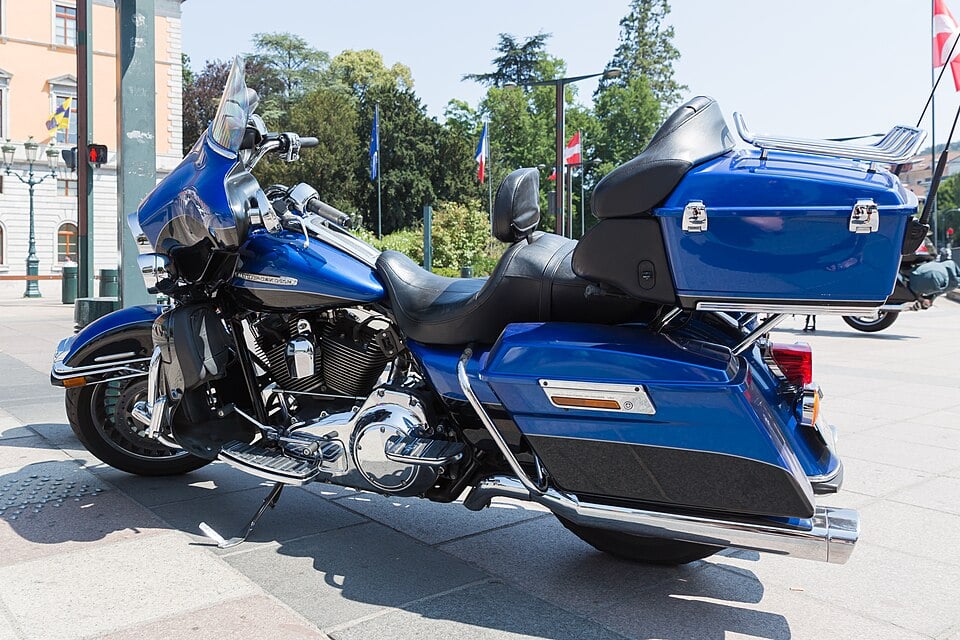
The Electra Glide has been Harley-Davidson’s touring workhorse for decades. The current model features the Milwaukee-Eight 114 engine, delivering smooth power delivery ideal for all-day riding. You sit behind a large batwing fairing that shields you from wind and weather.
The bike offers integrated hard luggage with generous storage capacity for multi-day trips. Electronic cruise control maintains your speed on long highway stretches without hand fatigue. Premium suspension components include dual-bending valve front forks and an easily adjustable rear mono-shock.
Your entertainment comes through the BOOM! Box GTS infotainment system with a 6.5-inch touchscreen. The system integrates navigation, Bluetooth connectivity, and a powerful audio setup. Linked braking with ABS provides confident stopping power when loaded with gear and a passenger.
Honda Gold Wing
The Honda Gold Wing represents peak touring capability with its 1,833cc flat-six engine and advanced technology suite. Its low center of gravity from the horizontally-opposed engine makes handling surprisingly nimble for a bike weighing over 800 pounds.
You benefit from a seven-speed dual-clutch transmission that eliminates clutch operation entirely or allows manual shifting when desired. The suspension system features electronically adjustable preload with four riding modes that change damping characteristics. Apple CarPlay integration brings your smartphone directly to the 7-inch TFT display.
Comfort Amenities:
- Heated seat and grips with multiple settings
- Electrically adjustable windscreen
- Airbag system (Tour model)
- Walk mode for low-speed maneuvering
The Gold Wing’s aerodynamic design cuts through wind efficiently, while the seat provides all-day comfort with memory foam padding. Storage compartments hold two full-face helmets plus additional gear.
Best Mid-Range Cruiser Motorcycles for Distance Riding
Mid-range cruisers deliver exceptional touring capabilities without the premium price tag of flagship models. The Yamaha Star Venture and Kawasaki Vulcan 1700 Voyager both offer full-size comfort, ample storage, and advanced features that make multi-day trips more enjoyable.
Yamaha Star Venture
The Star Venture positions itself as Yamaha’s premium touring cruiser with a 1,854cc V-twin engine that produces smooth, reliable power for highway cruising. You get 113 ft-lbs of torque delivered through a six-speed transmission, providing effortless passing ability on interstate rides.
Your comfort on extended rides comes from the plush two-up seating, adjustable driver backrest, and heated grips that work in varying weather conditions. The bike features a sophisticated suspension system with adjustable air shocks that you can modify based on load and road conditions.
Storage capacity stands at 46 gallons across saddlebags and trunk, giving you enough space for week-long trips. The integrated infotainment system includes a 7-inch display with navigation, Bluetooth connectivity, and premium audio with four speakers plus a subwoofer.
Kawasaki Vulcan 1700 Voyager
The Vulcan 1700 Voyager brings midsize cruiser performance with its 1,700cc engine that balances power and fuel efficiency during long-distance travel. You receive 108 ft-lbs of torque that handles loaded touring without strain.
Your riding position benefits from floorboards, a wide seat, and an adjustable windscreen that reduces fatigue on all-day rides. The bike weighs approximately 900 pounds fully fueled, which provides stability in crosswinds while remaining manageable at low speeds.
You have access to 37 gallons of combined storage in hard saddlebags and trunk, all lockable for security during stops. The Voyager includes a digital display, cruise control, and an optional audio system that enhances your touring experience without overwhelming the bike’s classic cruiser aesthetic.
Top Lightweight and Entry-Level Cruisers
Entry-level cruisers combine manageable power delivery with accessible seat heights and approachable price points, making them ideal starting points for long-distance touring. These motorcycles offer the comfort and stability needed for extended rides without overwhelming newer riders.
Honda Rebel 1100
The Honda Rebel 1100 stands out as a surprisingly capable long-distance cruiser despite its entry-level classification. It features a 1,084cc parallel-twin engine that produces smooth, linear power delivery ideal for highway cruising and overtaking maneuvers.
The motorcycle comes standard with a low 27.5-inch seat height, making it accessible for riders of various sizes. You can opt for the DCT (Dual Clutch Transmission) model, which eliminates the need for manual clutch operation during long rides and reduces fatigue on extended journeys.
Key specifications:
- Engine: 1,084cc parallel-twin
- Weight: 487 pounds (wet)
- Fuel capacity: 3.6 gallons
- Available features: Cruise control, riding modes, DCT option
The upright riding position and mid-mounted footpegs create a neutral ergonomic setup that reduces strain during multi-hour sessions. The Rebel 1100’s fuel injection system delivers consistent performance across varying altitudes and temperatures you’ll encounter on cross-country trips.
Suzuki Boulevard C50
The Suzuki Boulevard C50 delivers traditional cruiser styling with a 805cc V-twin engine that provides reliable performance for touring applications. This entry-level cruiser offers a relaxed power band that suits steady highway speeds without aggressive acceleration characteristics.
You’ll find the C50’s 27.8-inch seat height and 489-pound curb weight make it manageable during low-speed maneuvering at rest stops and fuel stations. The classic pulled-back handlebars and forward-mounted controls establish a laid-back riding position that works well for covering miles comfortably.
The Boulevard C50 includes a 4.1-gallon fuel tank that provides reasonable range between fill-ups. Its shaft drive system eliminates chain maintenance concerns during long trips, requiring only periodic fluid changes instead of regular adjustments and lubrication.
The bike’s steel double-cradle frame and traditional suspension setup prioritize stability over sportiness, which translates to predictable handling on interstate highways and winding country roads alike.
Essential Cruiser Motorcycle Accessories for Comfort
Upgrading your cruiser with the right accessories transforms multi-hour rides into enjoyable journeys rather than endurance tests. Proper seating, smart storage, and modern navigation systems address the three main comfort challenges riders face on extended trips.
Seats and Backrests
Your stock seat wasn’t designed for eight-hour riding days. Touring seats feature extra padding and ergonomic contours that distribute your weight more evenly across a larger surface area.
The Saddlemen Roadsofa stands out with pillowtop material that significantly reduces pressure points on Harley models from 2008-2022. Gel inserts provide another option, conforming to your body shape while absorbing road vibration.
Backrests add crucial lumbar support on rides exceeding two hours. Adjustable models let you dial in the perfect angle for your riding position. Many riders report reduced lower back fatigue within the first 50 miles of installation.
Seat upgrade considerations:
- Gel vs. foam: Gel conforms better but foam lasts longer
- Width: Wider seats distribute weight but may affect ground reach
- Height: Lower seats improve stability at stops
Luggage and Storage Solutions
Hard saddlebags offer weatherproof protection and typically hold 20-30 liters per side. Leather options provide classic aesthetics but require regular maintenance and waterproof liners for rain protection.
Throw-over saddlebags install without mounting hardware, making them ideal for occasional touring. Tank bags with magnetic or strap mounts keep essentials within arm’s reach.
Tour packs mount behind the rider and add 30-40 liters of storage. They often include passenger backrests as a dual-function design. Comprehensive luggage systems integrate bags, mounts, and guards for complete solutions.
Advanced Audio and Navigation
Bluetooth-enabled helmet communication systems let you hear GPS directions, take calls, and stream music without removing your hands from the bars. Look for models with 10+ hour battery life and noise cancellation at highway speeds.
Handlebar-mounted GPS units designed for motorcycles withstand vibration and weather better than automotive versions. Garmin and TomTom offer motorcycle-specific models with glove-friendly touchscreens and rider-focused routing that prioritizes scenic roads.
Handlebar audio systems with weather-resistant speakers deliver sound without requiring headphones. Many cruiser audio upgrades integrate with existing fairings and electrical systems.
How to Choose the Right Cruiser Motorcycle for Long Rides
Selecting the right cruiser involves matching the bike’s physical dimensions and ergonomics to your body type, while also considering engine reliability and maintenance requirements for extended travel.
Assessing Rider Needs and Preferences
Your physical dimensions directly impact which cruiser will work best for long rides. Seat height matters significantly, if you can’t plant both feet firmly on the ground at stops, you’ll experience fatigue and reduced confidence during extended trips.
Measure your inseam and compare it against manufacturer specifications. Most cruisers feature low-slung seats between 25 and 30 inches, but this varies considerably by model.
Handlebar position affects shoulder and arm comfort over hundreds of miles. Pulled-back bars suit shorter torsos, while forward controls work better for taller riders. Test ride any potential bike for at least 30 minutes to identify pressure points.
Consider your typical riding scenarios. Solo riders can prioritize personal comfort, but if you regularly carry a passenger, you need adequate seating space and footpeg placement. Storage capacity becomes critical for multi-day trips, factory luggage mounts and weight capacity determine how much gear you can bring without compromising handling.
Wind protection requirements depend on your usual speeds and climate. Full fairings reduce fatigue on highway rides, while minimalist bikes offer more connection to the environment on back roads.
Evaluating Performance and Reliability
Engine displacement should match your intended use rather than simply pursuing maximum power. Bikes with 1000-1500cc engines provide enough torque for highway passing and two-up riding without excessive fuel consumption or maintenance complexity.
Key Performance Factors:
- Fuel tank capacity: 4-6 gallons minimizes fuel stops
- Wet weight: Lighter bikes (under 700 lbs) offer easier handling
- Torque curve: Low-end torque suits cruising better than high-rpm power
- Final drive: Belt drives require less maintenance than chains
Research manufacturer service intervals and parts availability for models you’re considering. Some brands require valve adjustments every 8,000 miles, while others go 24,000 miles between major services. Factor these costs and downtime into your decision.
Check owner forums for common mechanical issues specific to each model year. Reliability and timeless design define quality cruisers, but even respected models can have problematic years or specific components that fail prematurely.
Long-Distance Riding Tips for Cruiser Owners
Successful long-distance cruiser riding depends on careful route planning with adequate rest intervals and maintaining your physical condition throughout extended periods in the saddle. These fundamental practices directly impact your safety and enjoyment on multi-hour or multi-day trips.
Planning Routes and Rest Stops
Map your route before departure and identify rest stops every 90 to 120 minutes of riding time. Your body needs regular breaks to prevent fatigue, stiffness, and loss of concentration regardless of how comfortable your cruiser feels initially.
Use motorcycle-specific navigation apps or GPS units that account for fuel range and highlight gas stations along your path. Calculate your cruiser’s realistic fuel consumption at highway speeds and plan fuel stops with a safety margin of at least 20 miles before your tank reaches reserve.
Essential rest stop activities:
- Walk for 5-10 minutes to restore circulation
- Perform basic stretches targeting your back, shoulders, and legs
- Hydrate with water rather than caffeinated beverages
- Check tire pressure and fluid levels
Weather conditions should influence your route selection and rest frequency. Plan alternative routes or extended breaks during extreme heat, cold, or predicted precipitation.
Maintaining Rider Health and Stamina
Wear proper riding gear that protects without restricting blood flow or causing pressure points. Your jacket, pants, and boots should fit correctly without being too tight at the waist, thighs, or calves.
Stay hydrated by drinking 8-16 ounces of water at each rest stop and use a hydration pack for sips between stops. Dehydration causes faster fatigue and reduces your reaction time significantly.
Eat light, balanced meals rather than heavy foods that cause drowsiness. Pack protein bars, nuts, or dried fruit for sustained energy without the crash from sugary snacks.
Core strengthening exercises performed regularly before your trip improve your ability to maintain proper posture for extended periods. Focus on exercises that target your lower back and abdominal muscles to reduce strain from hours of riding.
Care and Maintenance for Cruiser Motorcycles
Proper maintenance extends the life of your cruiser and prevents breakdowns during long trips. Regular inspections and carrying the right tools ensure you can handle minor issues on the road.
Routine Inspections Before Long Trips
You should check your tire pressure and tread depth before every long ride. Cruiser motorcycles typically require 36-42 PSI in the front and 40-42 PSI in the rear, though you need to verify your specific model’s requirements in your owner’s manual. Inspect tires for cracks, bulges, or embedded debris that could cause failure.
Your chain or belt drive needs attention before hitting the road. Check chain tension by pressing down on the middle of the lower chain run, it should move about half an inch to an inch. Clean and lubricate your chain every 300-600 miles. Belt drives require less maintenance but should be inspected for cracks or fraying.
Test your brakes by checking fluid levels and inspecting pad thickness. Brake pads should have at least 1/8 inch of material remaining. Verify all lights function properly, including turn signals, brake lights, and high beams.
Check your oil level when the engine is cold and the bike is upright. Top off if needed and look for leaks around the engine case. Inspect coolant levels if your cruiser is liquid-cooled.
Essential Tools and Emergency Gear
You need a compact tool kit that fits under your seat or in a saddlebag. Include metric and SAE Allen keys, combination wrenches in common sizes, a flathead and Phillips screwdriver, and needle-nose pliers. Add a spark plug socket that fits your bike’s plugs.
Pack a tire repair kit with plugs, a CO2 inflator or compact pump, and tire pressure gauge. Electrical tape, zip ties, and a small roll of wire serve multiple emergency purposes. Bring a flashlight or headlamp with fresh batteries.
Keep a spare clutch cable, throttle cable, and fuses that match your motorcycle’s specifications. These items take minimal space but prevent being stranded. Your phone with roadside assistance contact information provides backup when mechanical issues exceed roadside repairs.