
The Best Luxury Sedans That Hold Their Value Over Time: Top Models for Smart Investment
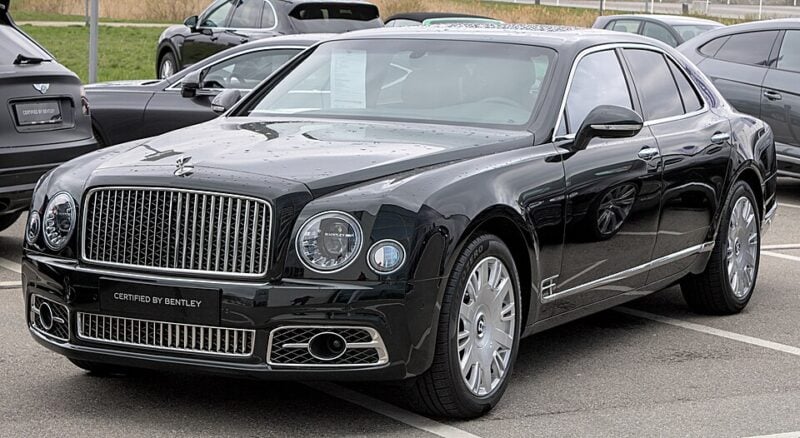
Luxury sedans typically depreciate faster than mainstream vehicles, but certain models buck this trend and retain substantial value over their ownership period.
Specific luxury sedans from brands like Porsche, Lexus, and BMW can retain 50-60% of their original value after five years, significantly outperforming the luxury segment average.
Understanding which models hold their value helps you make a smarter purchasing decision that protects your investment. Several factors determine why some luxury sedans maintain their worth while others lose value rapidly.
Brand reputation, reliability ratings, production volume, and desirability in the secondary market all play crucial roles in how luxury cars hold their value over time. The right combination of these elements creates vehicles that remain sought-after long after they leave the showroom floor.
This guide examines the luxury sedans with the strongest value retention, exploring what makes them resilient against depreciation. You’ll discover which brands dominate the resale market, specific models that outperform their competitors, and practical strategies to maximize your vehicle’s worth when it’s time to sell or trade.
So which luxury sedan is right for you? Let’s find out!
What Influences Residual Value in Luxury Sedans
Several key elements determine how well a luxury sedan maintains its worth, from the rate at which it loses value to the strength of its manufacturer’s reputation. Understanding these factors helps you make informed decisions about which models represent the best long-term investments.
Depreciation Factors
Mileage significantly impacts your luxury sedan’s resale value, with vehicles under 50,000 miles retaining worth better than high-mileage alternatives. The first year typically brings the steepest depreciation, with luxury sedans losing 20-30% of their original value.
Lease returns flood the market when lease periods end, increasing supply and driving down prices. This affects luxury sedans more severely than other vehicle types because they are frequently leased rather than purchased outright.
Key depreciation influences:
- Annual mileage driven
- Service history completeness
- Accident and damage records
- Number of previous owners
- Condition of interior and exterior
Your maintenance habits directly affect depreciation rates. Complete service records from authorized dealers demonstrate proper care and command higher resale prices.
Brand Reputation and Reliability
Lexus leads among luxury brands for value retention, followed by BMW, Audi, Acura, and Bentley. Strong brand heritage creates buyer confidence in the secondary market, which translates to better resale values.
Reliability ratings from organizations like J.D. Power influence how much buyers will pay for used luxury sedans. Models with documented reliability issues face steeper depreciation curves than dependable alternatives.
The manufacturer’s warranty coverage and reputation for standing behind their products affects long-term value. Extended warranty availability and reasonable maintenance costs make certain brands more attractive to used car buyers.
Design Longevity
Timeless exterior styling prevents your sedan from looking dated after several years. Models with classic proportions and restrained design elements age better than vehicles with trendy or polarizing aesthetics.
Interior quality matters significantly for resale value. High-quality materials, intuitive technology interfaces, and layouts that remain functional as newer models arrive help maintain buyer interest.
Design elements that preserve value:
- Classic body lines and proportions
- Premium leather and trim materials
- Technology that remains relevant
- Colors in neutral, widely appealing shades
Your sedan’s design should balance contemporary features with elements that won’t feel obsolete quickly.
Market Trends
Buyer preferences shift between sedan body styles, SUVs, and electric vehicles, affecting demand for traditional luxury sedans. Current market conditions show declining sedan popularity, which pressures resale values across the segment.
Limited production models and special editions maintain higher demand in the secondary market. Exclusivity creates sustained buyer interest that supports stronger pricing.
Economic conditions influence luxury vehicle demand more dramatically than mainstream segments. During economic downturns, used luxury sedan prices typically decline more sharply than non-luxury vehicles.
Fuel prices and environmental concerns now affect resale values, with efficient powertrains and hybrid options commanding premiums. Your sedan’s fuel economy rating directly impacts its appeal to cost-conscious luxury buyers.
Top Performing Luxury Sedan Brands for Retained Value
Certain luxury brands consistently outperform competitors when it comes to resale value, with Lexus leading the pack followed by performance-oriented Porsche, established Mercedes-Benz, and value-focused Acura. These manufacturers combine reliability, brand prestige, and strategic model positioning to minimize depreciation.
Lexus
Lexus dominates the luxury resale market through its reputation for exceptional reliability and lower maintenance costs compared to European competitors. The brand ranks at the top among luxury brands for value retention, with many models maintaining over 50% of their original value after five years.
Your Lexus sedan benefits from Toyota’s engineering excellence, which translates to fewer mechanical issues and lower ownership costs. The ES and GS models particularly excel in the used market due to their comfortable interiors and proven longevity.
Lexus sedans appeal to value-conscious luxury buyers who prioritize dependability over flashy features. The brand’s conservative styling ages well, preventing models from looking dated quickly. This timeless design philosophy keeps demand steady in the secondary market.
Porsche
Porsche sedans retain value through their performance credentials and exclusive brand image. The Panamera stands out as a four-door sports car that delivers genuine driving dynamics while offering luxury sedan practicality.
Your Porsche sedan maintains desirability because the brand carefully controls production volumes and offers extensive customization options. Limited availability creates scarcity in the used market, supporting higher resale prices.
The brand’s racing heritage and engineering reputation attract enthusiasts willing to pay premium prices for used models. Performance-oriented buyers specifically seek Porsche sedans for their handling characteristics and powerful engines. Strong community support and dedicated ownership base further stabilize resale values across the model range.
Mercedes-Benz
Mercedes-Benz combines brand prestige with technological innovation to maintain competitive resale values. Your E-Class and S-Class sedans benefit from the brand’s long-standing reputation as a luxury pioneer and symbol of success.
The brand’s extensive dealer network and parts availability make ownership less daunting for used car buyers. Mercedes sedans depreciate more than Lexus initially but stabilize after the first three years when the steepest decline ends.
Special editions and AMG performance variants hold value better than standard models due to their exclusivity and enhanced capabilities. You’ll find that well-maintained Mercedes sedans with complete service histories command stronger prices. The brand’s advanced safety features and cutting-edge technology remain relevant longer, extending the appeal of older models to tech-conscious buyers.
Acura
Acura delivers near-luxury quality at more accessible price points while maintaining strong resale values through Honda’s reliability foundation. The TLX and now-discontinued RLX offer Japanese dependability with upscale features at lower entry costs than European competitors.
Your Acura sedan benefits from Honda’s proven powertrains and simplified ownership experience. Lower initial purchase prices mean less dramatic depreciation in dollar terms, even if percentage drops appear similar to other luxury brands.
The brand attracts practical luxury buyers who want premium features without excessive maintenance expenses. Acura’s reputation for trouble-free ownership makes used models appealing to budget-conscious shoppers seeking luxury amenities. You’ll appreciate that parts and service costs remain reasonable compared to European alternatives, which helps maintain demand in the secondary market and supports resale values over time.
Model-Specific Standouts
Certain luxury sedans consistently outperform their competitors in resale value through strategic engineering choices, brand reputation, and market positioning. The models that lead depreciation rankings typically share common traits: proven reliability records, desirable powertrains, and strong consumer demand in the used market.
Long-Term Value Leaders
The Lexus ES stands as a benchmark for value retention among luxury sedans. Its combination of Toyota reliability and premium features creates sustained demand in the secondary market. You can expect this sedan to maintain 60-65% of its original value after five years.
The Genesis G80 has emerged as a strong performer despite being from a relatively new luxury brand. Its extensive warranty transfers to subsequent owners, which adds measurable value. The sedan’s competitive pricing when new also means smaller depreciation amounts in dollar terms.
Top Value Retention Factors:
- Lexus ES: Hybrid availability, proven drivetrain, low maintenance costs
- Genesis G80: Transferable warranty, strong standard equipment, competitive initial pricing
- BMW 5 Series: Global recognition, performance credentials, extensive dealer network
Mercedes-Benz E-Class sedans maintain value through their widespread appeal and available diesel engines in certain markets. The nameplate recognition alone drives consistent buyer interest across multiple model years.
Hybrid and Electrified Sedans
Lexus hybrids dominate this category because their technology has proven reliable over multiple generations. The ES 300h and LS 500h benefit from buyer confidence in the brand’s hybrid systems. You’ll find these models retain their worth better than many conventional luxury sedans.
BMW’s plug-in hybrid variants of the 5 Series and 7 Series show stronger residual values than their fully electric counterparts. The flexibility of dual powertrains appeals to used buyers concerned about charging infrastructure. These models typically depreciate 5-8% less than comparable all-electric luxury sedans.
The Porsche Panamera E-Hybrid maintains premium resale values due to its performance capabilities combined with efficiency credentials. Its status as a halo vehicle in the sedan segment protects it from typical luxury car depreciation patterns.
Performance-Oriented Luxury Sedans
The BMW M5 consistently ranks among the best value-holding performance sedans. Its limited production numbers relative to standard 5 Series models create scarcity in the used market. You’re looking at approximately 55% value retention after five years, which exceeds most luxury performance competitors.
Porsche Panamera Turbo models benefit from the brand’s overall strong resale values. The sedan carries the performance credibility of the 911, which translates into buyer willingness to pay premium prices for used examples. Special editions and limited variants hold even stronger positions.
The Mercedes-AMG E63 maintains value through its reputation as a daily-drivable supercar. Its practicality combined with extreme performance creates a unique market position. These sedans attract enthusiast buyers who maintain them properly, which supports resale values across the model range.
Comparing Depreciation Across Luxury Sedans
When you’re shopping for a luxury sedan, understanding depreciation patterns helps you make a smarter financial decision. Luxury vehicles typically depreciate faster than economy cars, but significant variations exist between models and brands.
Depreciation rates differ dramatically based on several key factors:
- Brand reputation and reliability ratings
- Maintenance and ownership costs
- Market demand for specific models
- Lease return inventory levels
The gap between best and worst performers is substantial. While top models lose less than 10% over five years, the worst depreciating luxury sedans can lose 60% or more during the same period.
You’ll notice that certain luxury sedans maintain strong resale values due to limited production runs, special editions, or exceptional brand heritage. These vehicles combine desirability with proven reliability to keep demand high in the secondary market.
Three-year versus five-year depreciation curves reveal important patterns. Some luxury sedans depreciate least after three years of ownership, showing their initial value retention strength. However, depreciation accelerates differently for each model as vehicles age.
Your purchase timing matters significantly. High-depreciation models like the Maserati Quattroporte lose 65.1% after five years, creating bargain opportunities for used buyers but representing substantial losses for original owners.
Design trends and technology advancement also impact how quickly your luxury sedan loses value in today’s rapidly evolving automotive market.
How Certified Pre-Owned Programs Impact Resale Value
Certified pre-owned programs add a premium of $1,000 to $3,000 above comparable non-certified vehicles in most segments. This markup reflects the additional value buyers place on extended warranties and thorough inspections that CPO programs provide.
When you purchase a luxury sedan through a certified pre-owned program, you’re essentially buying peace of mind. The vehicle has undergone a comprehensive multi-point inspection and comes backed by manufacturer warranties that extend beyond standard used car purchases.
Key CPO Benefits That Affect Resale:
- Extended warranty coverage that transfers to subsequent owners
- Detailed vehicle history reports and inspection documentation
- Roadside assistance programs
- Lower interest rates compared to standard used car loans
The best certified pre-owned programs from luxury manufacturers create a secondary market advantage. Your CPO luxury sedan maintains stronger demand because future buyers know it met strict quality standards and carries remaining warranty coverage.
Luxury brands with generous CPO programs see their vehicles hold value better over time. This happens because the certification reduces buyer anxiety about reliability and unexpected repairs. When you eventually sell your CPO luxury sedan, you can command a higher price than an identical non-certified model.
The CPO designation effectively creates a middle tier between new and used vehicles. Your luxury sedan benefits from this positioning throughout its lifecycle, particularly during years three through seven of ownership when depreciation typically stabilizes.
Ownership Costs and Value Retention
Luxury sedans carry premium price tags beyond their initial purchase, with maintenance, warranty protection, and insurance premiums all influencing long-term value retention. Understanding these ongoing expenses helps you calculate true ownership costs and predict depreciation rates.
Maintenance Requirements
Luxury sedans typically require more expensive maintenance than mainstream vehicles due to specialized parts and labor. European brands like BMW, Mercedes-Benz, and Audi often demand higher service costs, with routine maintenance averaging $1,200 to $1,800 annually.
Japanese luxury brands such as Lexus and Acura generally offer lower maintenance costs while maintaining premium quality. Lexus models consistently rank among the most reliable luxury vehicles, which directly impacts their resale values.
Scheduled maintenance intervals vary by manufacturer. Some luxury brands require service every 5,000 miles, while others extend intervals to 10,000 miles. You should factor in costs for:
- Oil changes and fluid replacements
- Brake pad and rotor replacements
- Tire rotations and alignments
- Premium fuel requirements
Performance-oriented sedans with turbocharged engines or complex all-wheel-drive systems increase maintenance complexity and costs.
Warranty Coverage
Most luxury manufacturers provide comprehensive warranty coverage for three to four years or 50,000 miles. This protection shields you from major repair expenses during the critical early ownership period.
Extended warranty options become important for value retention. Vehicles with transferable warranties command higher resale prices because they reduce risk for second owners.
Common warranty structures include:
- Basic coverage: 4 years/50,000 miles
- Powertrain coverage: 6 years/70,000 miles
- Complimentary maintenance: 2-3 years
Genesis and Jaguar offer longer warranty periods up to five years, which enhances their competitive positioning in the used market.
Insurance Considerations
Insurance premiums for luxury sedans exceed standard vehicle rates due to higher repair costs and replacement values. You can expect to pay 15% to 25% more for comprehensive coverage on premium sedans.
Factors affecting insurance costs include safety ratings, theft rates, and repair part availability. Vehicles with advanced driver assistance systems may qualify for safety discounts but cost more to repair after collisions.
Your location, driving record, and chosen deductibles significantly influence premium amounts. Luxury sedans with strong safety ratings from IIHS and NHTSA typically receive better insurance rates, which improves their appeal to future buyers.
Feature Trends That Help Sedans Maintain Value
Advanced safety technology stands as one of the most important factors in preserving your sedan’s resale value. Features like adaptive cruise control, lane-keeping assist, and automatic emergency braking have become expected standards rather than optional extras. When you choose a sedan with comprehensive safety suites, you’re investing in long-term value retention.
Infotainment and connectivity features also play a crucial role in maintaining your vehicle’s worth. Modern buyers expect seamless smartphone integration, wireless charging, and intuitive touchscreen interfaces. Sedans equipped with regularly updated software and over-the-air capabilities stay relevant longer in the marketplace.
Quality interior materials and craftsmanship directly impact how well your luxury sedan holds value. Premium leather, real wood trim, and metal accents age better than synthetic alternatives. These materials also signal higher build quality to potential buyers.
Consider these key value-maintaining features:
- Driver assistance packages with parking sensors and 360-degree cameras
- Premium audio systems from recognized brands
- Ambient lighting and customizable interior options
- Heated and ventilated seats in front and rear positions
- Digital instrument clusters with configurable displays
Your sedan’s powertrain technology matters significantly for resale value. Proven hybrid systems often command stronger prices than traditional engines, though reliability remains paramount. Toyota demonstrates this principle by holding 10 of the top 25 spots for retained value.
Warranty transferability and maintenance packages enhance your sedan’s appeal to future buyers. Extended coverage provides peace of mind and justifies higher asking prices.
Tips for Maximizing the Resale Value of Your Luxury Sedan
Maintaining your luxury sedan properly is essential for preserving its worth. You should follow the manufacturer’s recommended maintenance schedule and keep detailed records of all service work. These documents prove to potential buyers that you’ve cared for the vehicle responsibly.
The condition of your vehicle’s exterior and interior directly impacts resale value. You need to address any scratches, dents, or paint chips promptly. Regular detailing keeps the leather, wood trim, and carpeting in excellent condition.
Key maintenance practices include:
- Changing oil and filters on schedule
- Rotating tires regularly
- Replacing worn brake pads
- Keeping all mechanical systems functioning properly
- Storing the vehicle in a garage when possible
Your mileage significantly affects what buyers will pay. Luxury cars typically lose up to 50% of their value within the first three years, making careful mileage management important. Try to stay below average annual mileage for your vehicle class.
Original equipment and documentation add value. You should retain the owner’s manual, warranty information, and all original keys and accessories. Avoid aftermarket modifications that might not appeal to future buyers.
Timing your sale strategically can maximize returns. Research market trends and consumer preferences before listing your sedan. You’ll typically get better prices during spring and summer when buyer demand peaks. Consider trading in or selling before major service intervals that might deter buyers.
Current Market Outlook for Luxury Sedans
The luxury sedan market shows strong momentum heading into 2026. The global luxury sedan market reached $56.8 billion in 2024 and is projected to grow at a 5.4% compound annual growth rate through 2033.
When you’re shopping for a luxury sedan, you’ll find that buyer priorities are shifting. Luxury car buyers now expect their vehicles to retain or increase in value, viewing this as an inherent characteristic of any luxury product.
The market offers you options across various price segments:
- Entry-level sedans starting under $40,000
- Mid-range models between $40,000-$70,000
- Full-size luxury sedans exceeding $100,000
Your purchasing decision will be influenced by several market factors. Technological advancements continue to reshape the segment, with manufacturers incorporating advanced driver assistance systems and connectivity features. Regional policy changes, particularly around emissions standards, are also affecting available models and pricing.
The driving experience remains paramount for luxury buyers like you, but you’re also weighing practical considerations. Build quality, comfort, and performance still define the best luxury sedans, yet resale value has become equally important in your buying calculus.
Market analysts note challenges ahead, including tougher year-over-year comparisons in recent quarters. However, the luxury automotive segment continues attracting investment as manufacturers respond to your evolving preferences for vehicles that combine prestige with long-term value retention.
Future Predictions for Value Retention in the Luxury Sedan Segment
The luxury sedan market is experiencing a shift in value retention patterns. Recent data shows that used car values have begun retaining more worth than in previous years, reversing earlier depreciation trends across vehicle segments.
Electric and hybrid luxury sedans are expected to gain stronger resale positions as battery technology improves and charging infrastructure expands. You’ll likely see these models hold value better than their pure gasoline counterparts over the next five years.
Traditional luxury brands with strong heritage will continue commanding premium resale prices. Buyers of luxury cars increasingly expect their vehicles to retain or even increase in value, viewing this as an essential characteristic of high-end products.
Limited production models and special editions will maintain their appeal in the secondary market. These vehicles benefit from exclusivity and desirability factors that protect against typical depreciation.
Key factors influencing future value retention:
- Advanced driver assistance technology becoming standard
- Over-the-air software updates extending vehicle lifespan
- Manufacturer certification programs boosting used car confidence
- Global supply chain stabilization affecting new car availability
You should expect certain luxury models to defy typical depreciation trends through combination of reliability, brand strength, and performance credentials. Models prioritizing build quality and timeless design will outperform those relying solely on technology features that quickly become outdated.
Final Thoughts on Choosing a Value-Retaining Luxury Sedan
When selecting a luxury sedan that maintains its value, you need to prioritize specific factors that directly impact depreciation. Strong brand heritage and limited production numbers play significant roles in resale strength.
Your research should focus on models with proven track records rather than lesser-known nameplates that struggle in the used market. Consider these key elements:
Essential Value-Retention Factors:
- Brand reputation and market demand
- Build quality and reliability ratings
- Availability of special editions or performance variants
- Maintenance costs and parts availability
- Historical resale data over five years
You should approach any luxury purchase with realistic expectations about depreciation, even for models that hold value well. Vehicles combining desirability, reliability, and exclusivity typically perform best in the secondary market.
Your budget planning must account for the total cost of ownership, not just the initial price. Performance credentials and timeless design contribute to long-term value retention.
Testing and comparing multiple models helps you identify which sedans offer the best combination of luxury features and investment protection. Look for vehicles with advanced safety systems and well-appointed interiors that remain competitive as they age.
Your choice should balance your personal preferences with practical financial considerations. Cars that generate strong buyer interest years after purchase will serve your financial interests better than models that depreciate rapidly.


_IMG_4112.jpg)