
The Best Sport Bikes for Intermediate Riders in 2026: Top Performance Models to Advance Your Skills
Choosing the right sport bike as an intermediate rider requires balancing performance capabilities with manageable power delivery and rider-friendly features. You’ve moved past entry-level machines but aren’t necessarily ready for liter-class superbikes that demand expert-level skills.
The best sport bikes for intermediate riders in 2026 offer 600-750cc engines, modern electronics like traction control and ABS, comfortable ergonomics for longer rides, and enough performance to grow with your skills without overwhelming you.
These motorcycles provide the perfect stepping stone between beginner-friendly options and track-focused machines. This guide examines what defines an intermediate sport bike, which models stand out in 2026, and the practical considerations you need to evaluate before making your purchase.
You’ll find detailed comparisons of popular models, ownership costs, customization options, and safety resources to help you make an informed decision.
Let’s find out which one is right for you!
Defining Intermediate Sport Bike Riders
Intermediate sport bike riders have moved beyond basic motorcycle operation and are ready to handle more powerful machines, though they still face specific challenges as they refine their skills and transition from entry-level motorcycles.
Skill Set and Experience Level
You have likely spent at least one to two riding seasons on a beginner bike and have logged several thousand miles of real-world experience. Your comfort level includes executing smooth gear transitions, controlled braking in various conditions, and navigating traffic with confidence.
At this stage, you understand countersteering principles and can apply them effectively through corners. You have developed muscle memory for clutch and throttle control, allowing you to focus more on road awareness and advanced techniques.
Your experience includes riding in different weather conditions and various road surfaces. You can maintain your motorcycle through basic tasks like chain adjustment, tire pressure checks, and fluid level monitoring.
Key intermediate rider capabilities:
- Consistent execution of emergency braking techniques
- Smooth cornering at moderate lean angles
- Traffic positioning and defensive riding strategies
- Basic understanding of suspension settings and their effects
Common Challenges for Intermediates
You may struggle with the temptation to overstep your current abilities when upgrading to a more powerful sport bike. The significant increase in horsepower and torque compared to beginner bikes requires respect and gradual adaptation.
Throttle control becomes more critical on intermediate sport bikes because the power delivery can be aggressive. You need to recalibrate your inputs to match the bike’s increased performance capabilities.
Body positioning and weight transfer become more important as speeds increase. Many intermediate riders underutilize proper riding posture, which limits their ability to control the bike through demanding corners.
Overconfidence presents a genuine risk during this progression phase. You know enough to feel capable but may lack the refined judgment that comes with thousands of additional miles.
Progression from Beginner Bikes
Your first motorcycle was likely a 300-500cc machine with manageable power output and forgiving handling characteristics. Moving to an intermediate sport bike typically means jumping to 600-750cc with double or triple the horsepower.
The transition requires adapting to different ergonomics, as most middleweight sport bikes position you in a more aggressive, forward-leaning stance. This change affects your control inputs and how long you can ride comfortably.
You should consider bikes that offer rider aids like traction control, multiple power modes, and ABS to support your developing skills. These technologies provide safety margins as you explore the bike’s capabilities in controlled environments.
Timing your upgrade matters, rushing into a high-performance machine before mastering fundamental techniques can hinder your development and increase accident risk.
What to Look for in an Intermediate Sport Bike
Selecting an intermediate sport bike requires balancing performance capabilities with manageable power delivery, ergonomic considerations, and modern safety features. The right motorcycle will challenge your growing skills while providing confidence-inspiring handling and practical features for daily riding.
Essential Performance Features
Power delivery matters more than peak horsepower when choosing your next sport bike. Look for engines in the 650cc to 900cc range that produce between 70 to 120 horsepower, offering strong acceleration without overwhelming characteristics. Adjustable suspension settings allow customization based on your riding style and preferences, helping you fine-tune handling as your skills develop.
Modern middleweight sport bikes provide practical yet sporty performance that works well on street riding while remaining less expensive than liter-class machines. Focus on bikes with smooth throttle response and predictable power curves rather than aggressive, peaky powerband characteristics.
Testing various models helps you understand differences in responsiveness and comfort between parallel-twin, inline-twin, and inline-four configurations. Each engine layout offers distinct power characteristics that affect how the motorcycle behaves during acceleration and cornering.
Riding Comfort and Ergonomics
Sport bikes designed for intermediate riders typically feature more upright seating positions than full-on race replicas. Handlebar height and placement significantly impact your comfort during longer rides and your ability to maneuver effectively in traffic.
Seat height should allow you to comfortably place both feet flat or at least on your toes when stopped. Footpeg position affects weight distribution and determines how aggressive your riding posture becomes during spirited riding. Bar risers or adjustable controls can help customize fit to your body dimensions.
Ergonomics directly influence how long you can ride before fatigue sets in. Pay attention to reach to the handlebars, pressure on your wrists, and whether your knees fit naturally against the tank. A bike that fits properly lets you focus on developing riding techniques rather than managing discomfort.
Safety Technologies
Modern sport bikes come equipped with electronics that enhance safety without diminishing rider engagement. Traction control systems prevent rear wheel spin during aggressive acceleration or on slippery surfaces, giving you confidence to explore performance limits gradually.
Anti-lock braking systems (ABS) are essential safety features that prevent wheel lockup during emergency stops. Multiple riding modes adjust power delivery and electronic intervention levels, allowing you to match the bike’s behavior to conditions and your skill level.
Slipper clutches reduce rear wheel hop during aggressive downshifts, maintaining stability when entering corners. Some models include cornering ABS and lean-sensitive traction control that account for bike angle, providing protection even when leaned over.
Practical Usage Factors
Maintenance costs and service intervals affect long-term ownership expenses beyond the initial purchase price. Research valve adjustment schedules, as some engines require frequent attention while others go 15,000 miles or more between services.
Fuel economy varies significantly between models, with parallel twins often delivering better mileage than inline-fours. Consider available luggage mounting points if you plan commuting or weekend trips, as not all sport bikes accommodate practical accessories easily.
Parts availability and dealer network support matter when repairs or routine maintenance become necessary. Insurance premiums differ substantially between models, so obtain quotes before committing to a purchase. Resale value depends on brand reputation and market demand for specific models in your area.
Top Sport Bike Models for 2026
The 2026 sport bike market features proven flagship machines alongside groundbreaking electric powertrains that redefine performance standards. Your choice depends on whether you prioritize track-ready capability, cutting-edge technology, or sustainable performance.
Best Overall Choices
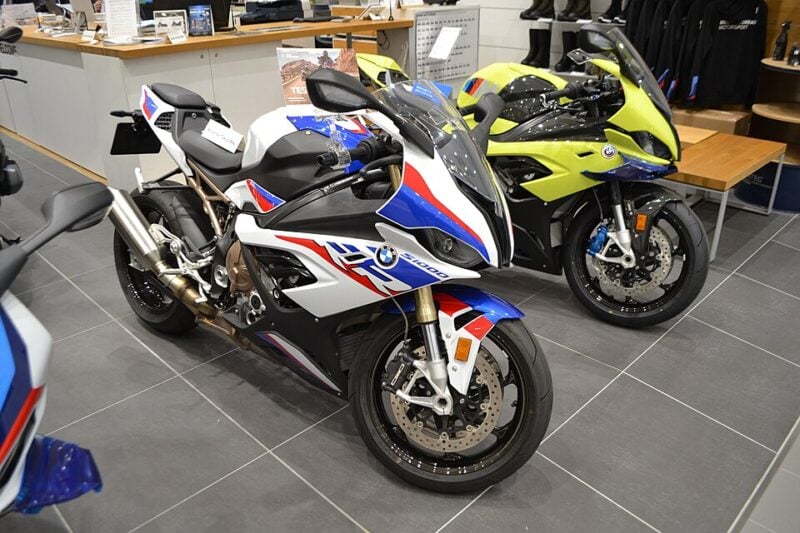
The BMW M 1000 RR stands out among 2026 sportsbikes with its 999cc inline-four engine producing 215 horsepower. At £32,850, this flagship model weighs just 194kg and offers an 865mm seat height that accommodates taller riders comfortably.
Top Performers for Intermediate Riders:
- BMW M 1000 RR: 215bhp, 194kg, advanced electronics
- Kawasaki Ninja 500SE: Entry-friendly power with modern features
- Honda CB1000F: Balanced performance and everyday usability
The intermediate sport bike category emphasizes reliability and build quality alongside performance. Mid-range sport machines deliver exceptional value without the intimidating power of liter-class superbikes. You’ll find robust second-hand markets with barely used models offering strong performance-per-pound ratios.
These bikes feature spotless handling, powerful braking systems, and no compromises in their core mission. Your selection should match your riding style and experience level rather than chasing maximum specifications.
Latest Innovations in 2026
Cutting-edge electronics define the latest advancements in sport bikes this year. Traction control systems, cornering ABS, and ride-by-wire throttles now appear as standard equipment across most models.
You’ll encounter quick-shifters that enable clutchless upshifts and downshifts without losing momentum. IMU-based suspension systems automatically adjust damping based on lean angle and acceleration forces. These technologies previously reserved for flagship models have trickled down to intermediate-priced machines.
Connectivity features let you customize power delivery, suspension settings, and brake intervention through smartphone apps. TFT displays replace traditional gauges and provide navigation integration with turn-by-turn directions. Cornering headlights improve visibility through curves by following your lean angle.
Electric and Hybrid Options
Electric sport bikes have entered the mainstream market in 2026 with competitive performance figures. Battery technology improvements now deliver 150+ miles of mixed riding on single charges.
You can expect instant torque delivery that surpasses traditional combustion engines in low-end acceleration. Regenerative braking extends range while reducing brake pad wear during aggressive riding. Charging infrastructure has expanded significantly, making longer rides more practical than previous years.
Weight remains higher than gasoline equivalents due to battery packs, typically adding 20-30kg to comparable models. Purchase prices start at premium levels but operating costs run significantly lower with minimal maintenance requirements. Several manufacturers offer quick-charge capabilities that restore 80% capacity in under 45 minutes.
Comparison of Popular Models
When evaluating sport bikes for intermediate riders, the differences between models become apparent in their power delivery, weight distribution, and overall aesthetic approach. The middleweight sports bike class has evolved to offer distinct choices that cater to various riding preferences.
Performance Specifications
The Yamaha YZF-R3 delivers 42 horsepower from its 321cc parallel-twin engine, making it an excellent choice for riders transitioning from beginner bikes. The Kawasaki Ninja 400 produces 49 horsepower from its 399cc engine, offering noticeably stronger acceleration without overwhelming new intermediate riders.
Moving into the 600-700cc range, the Yamaha R7 features a 689cc parallel-twin generating 73 horsepower, while the Aprilia RS 660 utilizes a 659cc parallel-twin that produces 100 horsepower. The Suzuki GSX-8R and Triumph Daytona 660 also compete in this segment with similar displacement figures.
Key Performance Metrics:

Handling and Maneuverability
The YZF-R3 offers approachable handling that builds confidence through predictable steering responses and a manageable power band. Its lightweight chassis allows you to navigate tight corners with minimal effort, making it ideal for developing cornering technique.
The Ninja 400 provides sharper turn-in characteristics while maintaining stability at higher speeds. You’ll notice improved feedback through the handlebars compared to smaller displacement bikes, helping you understand weight transfer during aggressive riding.
Middleweight naked sport bikes in the 600-700cc category demand more precise inputs but reward you with greater control authority. The R7’s suspension setup balances comfort with sporty handling, while the RS 660 features adjustable components that let you fine-tune the bike’s behavior for track or street use.
Design and Styling
Modern sport bikes for intermediate riders feature full fairings that reduce wind resistance and create an aggressive profile. The YZF-R3 borrows styling cues from Yamaha’s flagship R1, including angular headlights and sharp body lines that give it a premium appearance.
The Aprilia RS 660 stands out with its distinctive triple LED headlights and compact front end, while the R7 maintains a classic supersport silhouette. You’ll find that most models in this category prioritize rider ergonomics alongside aesthetics, positioning footpegs and handlebars to balance comfort with sporting intent.
Color options typically include bold racing liveries and understated solid colors, allowing you to choose between standing out or maintaining a subtle presence on the road.
Cost of Ownership and Value
Intermediate sport bikes typically fall in the $7,000-$12,000 range new, with ownership costs extending well beyond the purchase price. Your total expenses will include insurance premiums, scheduled maintenance, consumables like tires and brake pads, and fuel costs that vary significantly based on engine displacement.
Purchase Price Range
Most intermediate sport bikes occupy the 300cc to 650cc displacement category, with retail prices between $5,500 and $11,000 for new models in 2026. The Kawasaki Ninja 400 starts around $5,299, while the Yamaha YZF-R7 sits near $9,299.
You’ll find excellent value in the used sportsbike market, where lightly-used models offer substantial savings. One to three-year-old bikes often sell for 25-40% less than their original MSRP. Certain models hold their value better than others, making them smarter investments if you plan to upgrade later.
Maintenance and Reliability
Modern intermediate sport bikes require valve adjustments every 15,000-26,000 miles depending on the manufacturer. Japanese brands like Honda, Kawasaki, and Yamaha typically schedule major services less frequently than European counterparts, reducing long-term costs.
Your maintenance budget should account for oil changes every 3,000-6,000 miles, chain maintenance every 500-600 miles, and tire replacements every 4,000-8,000 miles depending on your riding style. Sport tires for these bikes cost $250-$400 per set. Brake pads last 10,000-15,000 miles under normal riding conditions and run $80-$150 per set.
Parts availability is excellent for popular models, with aftermarket options further reducing costs. You can expect to spend $600-$1,200 annually on routine maintenance if you perform basic tasks yourself.
Insurance Considerations
Your insurance premiums depend on the bike’s displacement, replacement value, and your riding history. Bikes under $10,000 carry lower insurance costs because they’re cheaper to replace and typically have smaller engines.
A 25-year-old rider with a clean record might pay $800-$1,500 annually for full coverage on a 650cc sport bike. The same rider could pay $400-$800 for a 300-400cc model. Comprehensive and collision coverage costs scale directly with the bike’s stated value.
Your rates will drop as you gain experience and age. Consider liability-only coverage on older bikes worth less than $3,000 to minimize expenses.
Customization and Upgrade Potential
Intermediate sport bikes typically offer strong aftermarket support and multiple upgrade paths that let you refine performance as your skills develop. Understanding which modifications deliver meaningful improvements helps you invest wisely in your bike’s evolution.
Aftermarket Parts Compatibility
Most intermediate sport bikes from major manufacturers have extensive aftermarket catalogs available. Models like the Yamaha R7, Kawasaki Ninja 650, and Suzuki GSX-R750 benefit from decades of third-party development, giving you access to performance exhausts, brake upgrades, and body panels at various price points.
Entry-level bikes often lack this compatibility because manufacturers use proprietary components that don’t attract aftermarket attention. Higher-specced bikes are more compatible with upgrades, making them better long-term investments as your riding progresses.
Before purchasing, verify that the specific model year has parts availability. Newer models may have limited options initially, while established platforms offer everything from cosmetic accessories to racing-grade components.
Popular Modifications for Intermediates
Suspension upgrades improve handling and comfort, with adjustable springs letting you customize the setup based on your weight and riding style. Intermediate sport bikes come with inverted forks and adjustable rear shocks that respond well to tuning or replacement with higher-quality units.
Exhaust systems reduce weight while increasing horsepower, though you should verify local noise regulations before installing aftermarket options. Brake upgrades like steel-braided lines and performance pads deliver better feel and stopping power without major expense.
Other worthwhile modifications include adjustable levers, upgraded grips, and frame sliders for protection during inevitable drops. These changes enhance your connection to the bike without overwhelming you with complexity.
Best Accessories for Sport Bike Riders
Quality protective gear and modern technology upgrades transform your riding experience from basic to exceptional. The right equipment keeps you safe while enhancing comfort and connectivity on every ride.
Riding Gear Recommendations
Your protective equipment starts with a proper sport bike jacket featuring CE-rated armor at the shoulders, elbows, and back. Look for jackets with perforation panels or removable liners that adapt to different weather conditions. Leather offers maximum abrasion resistance, while textile options provide better ventilation for warmer climates.
Sport bike-specific riding pants should include knee and hip armor with secure waist connections that prevent riding-up during aggressive riding positions. Reflective piping enhances your visibility to other motorists, especially during dawn and dusk hours.
Your gloves need pre-curved fingers, knuckle protection, and touchscreen-compatible fingertips for smartphone use. Quality sport bike boots should cover your ankles with reinforced toe boxes and heel counters while maintaining enough flexibility for shifter and brake lever operation.
Essential Protection Checklist:
- CE Level 2 back protector
- Abrasion-resistant materials (leather or Cordura)
- Reflective elements for visibility
- Proper armor at all major impact zones
Essential Tech Add-Ons
A secure phone mount gives you GPS navigation access without fumbling in your pockets. Choose ram-ball style mounts or quadlock systems that withstand vibration and maintain grip through aggressive cornering.
Bluetooth communication systems integrate into your helmet for music streaming, GPS directions, and rider-to-rider communication. Modern systems offer noise cancellation that filters wind noise while preserving important ambient sounds.
USB charging ports keep your devices powered during longer rides. Hardwired connections protect against battery drain better than 12V cigarette-style adapters. GPS trackers provide theft recovery capabilities and can lower your insurance premiums while giving you peace of mind when parking in public areas.
Tire pressure monitoring systems alert you to dangerous pressure drops before they affect handling characteristics.
Safety Practices and Training Resources
Structured instruction and peer networks help intermediate sport bike riders build advanced skills while maintaining safe riding habits. Formal courses address technical gaps, while community groups provide accountability and real-world learning opportunities.
Advanced Rider Courses
You should consider enrolling in track days or intermediate-level riding schools that focus on body positioning, throttle control, and emergency braking techniques. Organizations like the Motorcycle Safety Foundation offer courses specifically designed for riders transitioning from beginner to advanced skill levels.
These programs typically cover cornering dynamics, proper lean angles, and how to handle your bike in adverse conditions. Many courses provide access to controlled environments where you can practice high-speed maneuvers without street traffic risks.
Improving body positioning and mastering cornering techniques are core components of intermediate training. You’ll learn how weight distribution affects stability and how to adjust your riding stance for different scenarios.
Track-based instruction allows you to explore your bike’s capabilities safely. Instructors can identify specific weaknesses in your technique and provide immediate feedback that accelerates skill development.
Community Support and Clubs
Joining local riding clubs connects you with experienced riders who can mentor you through challenging situations. These groups often organize weekend rides that expose you to varied road conditions and riding styles.
Club members share practical knowledge about route selection, bike maintenance, and gear recommendations based on direct experience. You gain access to group rides where more skilled riders demonstrate proper techniques in real time.
Many clubs maintain online forums where you can ask questions about specific riding scenarios or bike setup issues. This ongoing dialogue helps you troubleshoot problems and learn from others’ mistakes without risking your own safety.
Riding with a consistent group builds accountability for safe practices. Fellow members notice when you develop bad habits and can offer corrections before those behaviors become ingrained.
Long-Term Ownership Considerations
When selecting a sport bike as an intermediate rider, you need to think beyond the initial purchase price. Maintenance costs and service intervals significantly impact your overall ownership experience and budget.
Sport bikes with proven reliability records will save you money and frustration over time. Honda, Yamaha, and Suzuki consistently rank among the most reliable manufacturers for long-term ownership, offering dependable performance without sacrificing quality.
Key factors to evaluate include:
- Parts availability – Common models have wider service networks and easier access to replacement components
- Service intervals – Longer periods between major services reduce maintenance expenses
- Resale value – Popular intermediate sport bikes maintain better market value when you’re ready to upgrade
- Insurance costs – Premiums vary significantly between models and should factor into your budget
Your maintenance habits will directly affect how long your motorcycle lasts. Regular oil changes, proper storage, and timely repairs extend the life of any sport bike. Models with extensive service networks make routine maintenance more convenient and affordable.
Consider that sport bike engines in different states of tune affect longevity. Bikes designed for street riding typically offer better durability than track-focused alternatives. Look for motorcycles with established reputations rather than first-year models that lack proven track records.


.jpg)